
Preserving ADAS Calibrations with Paintless Dent Repair


Sensors & Safety
How PDR Interacts with ADAS Hardware
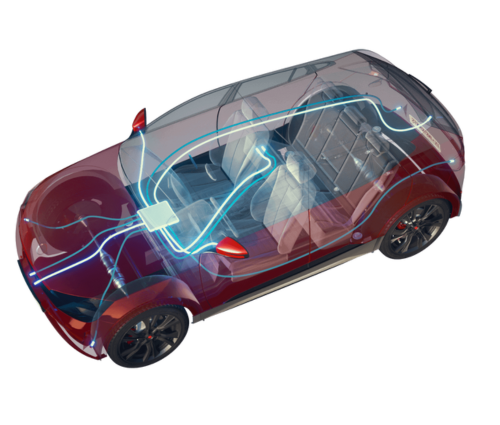
Modern vehicles hide radar, cameras, and wiring near roofs, bumpers, and pillars. After hail, PDR restores panels without sanding or paint, helping keep ADAS settings stable.Safe access is critical: power down, shield harnesses, and avoid shock loads. Controlled heat and lighting guide precise pushes without stressing adhesives.
Shops map sensor zones before any push or glue pull. If a camera bracket or radar mount is close, they limit lift force and shorten cycles. Blending crowns sooner keeps panels stable and glass or urethane undisturbed. When OEM procedures require calibration after glass work, the plan schedules vendors so diagnostics and road tests happen once.
Planning Access Without Losing Calibration
Start with a power down and wait times for your model so airbags and camera modules sleep before trims move. Headliners and pillars are lowered evenly with covers and tape paths to protect fabrics. Wiring is photographed, and single use clips are replaced rather than forced. Antennas and rain sensors are marked as no pressure zones.
Tool paths are chosen to avoid sliding against harnesses or glass brackets. When angles are poor, technicians switch to smaller tabs and controlled mini lifter pulls rather than heavy slide hammer hits.Short cycles with immediate blending protect brittle trims and keep reflections true. If any scan faults exist at intake, they are recorded before work begins.
Calibration risks are reviewed up front. If a windshield, radar cover, or panoramic glass must be removed for access, the plan includes vendor scheduling and cure times so recalibration happens once. Otherwise, PDR proceeds with glass in place, and pulls are kept modest near mounts. Documentation proves why steps were chosen and helps insurance approvals move quickly.
Preventing Fault Codes During Access
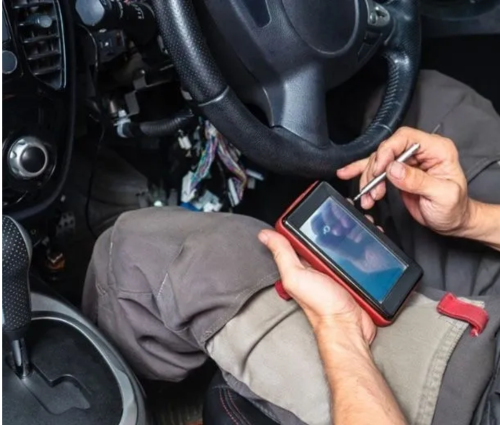
Before trims move, disconnect the battery and observe module sleep times published for the platform. That prevents accidental deployment or stored errors for airbags, cameras, or radar. Depin connectors by the locks, not the wires, and route harnesses back to their clips. If a bracket sits within the pull area, mask and mark it so tools never load it directly.
During repair, keep pulls short and controlled near sensor mounts, then blend crowns immediately. Heat panels gently and evenly to relax memory without softening adhesives behind windshields or roof frames. After reassembly, perform a post scan and a short road test. Confirm that warning lights are off, wipers and lights work, and driver assist features engage without messages. Document results for the file.
Not every hail repair requires recalibration. If glass, brackets, or radar covers remain undisturbed and sensor mounts are not flexed, a clean post scan may be sufficient. The exception is when OEM procedures tie recalibration to any glass removal, bumper removal, or camera disturbance. In those cases, scheduling static or dynamic calibration with approved targets and level floors is part of the plan. Document scan results and photos to support approvals.
Symptoms that suggest a lost calibration include lane assist warnings, adaptive cruise errors, camera messages, or wipers behaving oddly after service. If any appear, stop and scan the vehicle. Many problems trace back to a disturbed bracket, loose connector, or a bumper cover that is not fully seated. Fix the cause, then calibrate per instructions, and road test to verify function. Note road conditions and alignment of targets for future reference.
Glass, Bumpers, and When to Calibrate
Windshield and rear glass often house camera brackets or rain sensors. If either is removed or shifted, calibration is usually required. Good PDR plans minimize this by keeping glass in place when possible and limiting heat near urethane. When removal is necessary, the vehicle is staged indoors, covered, and repaired immediately so dust and moisture never complicate later camera alignment.
Front and rear bumper covers can hide radar or ultrasonic sensors. Small flexing during a pull is fine, but pushing on mounts or reinstalling covers out of tolerance can shift aim. Technicians mark sensor zones, use gentler pulls nearby, and verify tabs and clips seat fully. After reassembly, checks include scan results and a road test with driver assists active.
Some models need static targets; others need dynamic road routines. The plan should specify which, along with level surfaces, lighting, tire pressures, and fuel loads that influence sensor angle. Clear notes explain to reviewers why calibration is included or omitted. That documentation keeps approvals smooth and prevents repeat visits for nuisance warnings after delivery.
Common Mistakes That Trigger Recalibration
Overheating near glass or adhesive softens materials and shifts brackets. Keep warmth even and moderate, and avoid focusing heat at edges. Use mini lifter pulls near mounts; avoid heavy slide hammer hits. Control panel temperature between pulls.
Skipping battery disconnects or rushing wait times leaves modules awake while trims move, risking stored faults. Follow the platform wait time, depin by the locks, bag hardware, and photograph routing for accurate reassembly.
Misaligned bumper covers or proud glass trims can shift sensor aim. Seat clips fully, verify tabs, then run a post scan and road test with assists active. Fix small gaps immediately so any required calibration is accurate the first time.
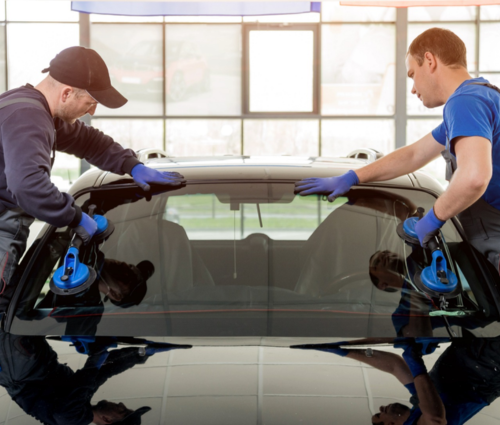
PDR is gentle on ADAS because it preserves factory mounting points and avoids refinishing steps that disturb sensors. The key is disciplined access, short controlled pulls, and documentation. When glass or bumper work is required, scheduling calibration once with proper targets prevents extra trips. A clean pre scan, post scan, and road test verify that the car drives straight, features engage, and no dash lights remain. Results are documented for insurers and your records.
Shop Process and Customer Checklist
Intake begins indoors under stable lighting. Advisors record concern descriptions, scan for stored codes, and photograph the vehicle, including sensor zones and trims. Seats, pillars, and floors are protected, and a battery maintainer is connected. The estimate lists R&I steps, single use clips, and any vendor needs. Customers receive a simple timeline with checkpoints for supplement review, repair, possible calibration, and delivery. Contacts for vendors and insurer reviewers are listed on the estimate.
During repair, technicians map tool paths away from mounts, keep pulls short near sensors, and blend crowns immediately. Panel temperature is monitored to protect urethane and adhesives. If glass or bumper removal is unavoidable, vendors are pre scheduled and target setups confirmed. Pre and post scans are saved to the file, and any warning message is addressed before reassembly proceeds.
Before delivery, the team runs driver assists on a controlled road test, checks wipers and lighting, and inspects reflections in open sun. If calibration was performed, certificates and target photos are included with the invoice. VIP Hail Service explains the work performed, shows before and after photos, and notes any parts replaced. You leave with a quiet interior, clean trims, and features operating normally. Any care instructions are reviewed, including glass cure times and wash limits.
Insurance Notes, Documentation, and Approvals

Clear documentation speeds decisions. Photos should show dents, crowns, and proximity to sensor mounts, plus any access steps that protect wiring or glass. Estimates call out R&I time, single use clips, scan procedures, and, when required, calibration type and vendor. Tying each line to a photo or OEM instruction reduces back and forth and keeps rental days predictable.
Approval is smoother when the plan explains why calibration is included or not. If glass stays in place and mounts were not stressed, a post scan and road test may suffice. If parts are moved, list vendors, targets, and cure times and deliver certificates with the invoice. That transparency protects safety features and avoids repeat visits for nuisance alerts. Document mileage and test routes as well.
When to Contact VIP Hail Service
Contact VIP Hail Service when hail repairs involve glass edges, sensor mounts, or wiring paths and you want ADAS performance preserved. We map zones under lights, plan safe access, and keep pulls short near mounts. If calibration is needed, we schedule it once with trusted vendors and include certificates. You get updates at checkpoints and a clear delivery window. We document settings, temperatures, and tab choices for repeatable results.
Bring your claim number, prior estimate, and photos in shade. We will explain where tension sits, which pulls are safe near brackets, and whether glass can stay in place. Expect a clean pre scan, post scan, and a road test with assists active before pickup. Our goal is simple: factory paint intact and safety features operating normally. You will see reflection checks in sunlight and a final scan printed on your invoice.

VIP Hail Service | Plano, TX
Professional Hail Repair
Stay Up-to-date With Our Content
Subscribe to learn more about our mission!