
Headliner and Airbag Safety for Roof PDR


Safety & Access
Why Headliners Matter for Roof Repairs
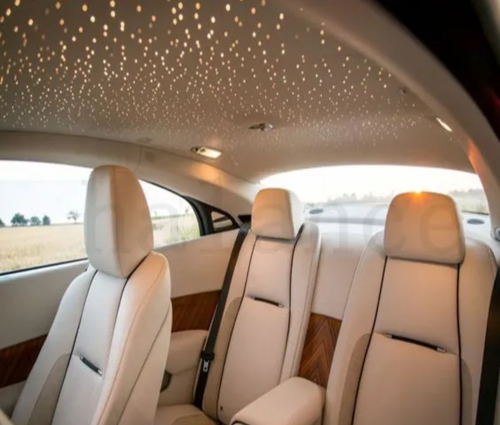
Roof hail dents are usually repaired from the underside, which means technicians often work through the headliner. This fabric and foam layer hides airbags, wiring, and roof structure needed for precise tool access. Safe work starts with a proper inspection to map dent locations, verify where curtain airbags live, and confirm how trim clips release without damage.
Shops document current interior conditions, protect seats and glass, and stage lighting so reflections reveal low spots. With the path planned, they can loosen panels, drop the headliner, and choose tools that reach crowns and braces while avoiding airbag inflators and harnesses.
Curtain Airbags and SRS Precautions
Modern vehicles use roof curtain airbags tucked behind the headliner. Before any roof PDR, qualified technicians review service data to locate inflators, tether points, and wiring. Many makers require disabling the SRS by disconnecting the battery and waiting a specified time so capacitors discharge. This prevents accidental deployment and protects electronic modules during trim removal.
Once the system is safe, access holes are never drilled. PDR relies on existing gaps, factory openings, or glue pulling where appropriate. Tools are guided along braces with soft tips, and harnesses are bagged or taped aside to avoid pinch points. Heat is kept low to protect adhesives and sound deadening while preserving paint and clear coat.
No metal picks are used near inflator housings, and magnets or scanners are kept away from SRS connectors. Fasteners are reinstalled to torque so clips seat without rattles. Before closing, techs run a light check for dents, then verify that dome lights, airbags warning circuits, and side curtain trim alignments are correct. The goal is factory fit with original paint preserved.
Headliner Removal Without Interior Damage
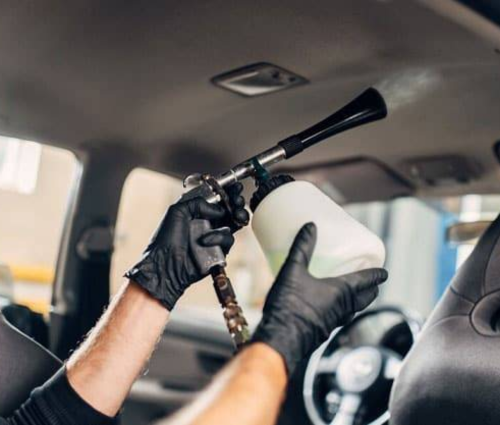
Protecting the interior starts with clean hands, covers, and trim tools. Clips are released in the sequence the manufacturer specifies, and metal pry bars stay out of the cabin. Sunshade tracks, assist handles, and airbags bezels come off gently so foam faces do not crease. The headliner lowers evenly to avoid folding across sharp edges. Airbag looms are routed aside in visible loops so nothing snags during tool passes.
Technicians carefully mark clip locations and seam paths for a precise reinstall every single time. Wiring is labeled, bundled, and hung with non-adhesive tape so it cannot sag or imprint the liner. Any trapped moisture from the storm is fully dried before work begins to prevent odors or mildew. With a controlled drop process, the roof structure, hidden braces, and dent crowns all become clearly readable under calibrated LED reflection boards.
Reinstalling the headliner is its own quality check. Liner edges must sit square in channels, and clips should snap once, not twice. If a clip resists, it is replaced rather than forced, which prevents future sag and squeaks. Technicians align grab handles, visors, and airbags trims before final torques so fabric does not twist. Trim gaskets are seated evenly to block wind noise, and any removed clips are logged on the work order.
Electrical checks confirm dome lights, microphones, and sensors work normally. Finally, a sunlight inspection looks for print through, scuffs, and any waviness along seams. Proper sequence prevents pinch marks and keeps the liner tight across the roof. When done right, the cabin looks untouched and the repaired roof flows cleanly under light. A short road test can reveal buzzes from loose plastic; if heard, panels are reseated before delivery.
Tool Access and Roof Bracing
Roof structures use bows and reinforcements that can block direct tool paths. Experienced PDR techs navigate these with longer rods, tight tips, or glue tabs where push points are impossible. The key is reading light movement across crowns and edges to find the cleanest leverage without stressing thin steel or aluminum. Subtle tip changes and pad angles maintain control when working near seams.
Braces are not pried away from the skin. Instead, controlled pushes and tap downs shape metal gradually so the panel relaxes to its original form. Where access is limited, small, shallow pulls can raise lows before finishing work from underneath. This keeps paint intact and avoids stretching that would invite body filler. Glue pulling setups use adhesives and release agents that preserve a clear coat.
On vehicles with panoramic glass or roof rails, access may start at pillars and travel inward. Interior trims are loosened as far as needed to maintain airbag safety and headliner support. Patience protects wiring, prevents rattles, and delivers a roof that blends under reflections like it did before the storm.
Battery Disconnects and Scan Tools
Shops often disconnect the battery to disable the SRS per maker guidance. They wait the specified time so reserves discharge and modules sleep. This step helps protect technicians while working around inflators.
After repairs and reassembly, a post scan checks airbag circuits, curtain sensor health, and any stored fault codes that might block deployment. Some vehicles require a pre scan too, which documents storm related alerts and protects the owner during insurance review.
If trims were removed, calibration prompts for items like sunroof anti pinch or rain sensors are followed, restoring normal function and warning lights before the vehicle leaves. Final reports list scans performed, codes cleared, and battery protocols used, giving a clear record for future service visits.
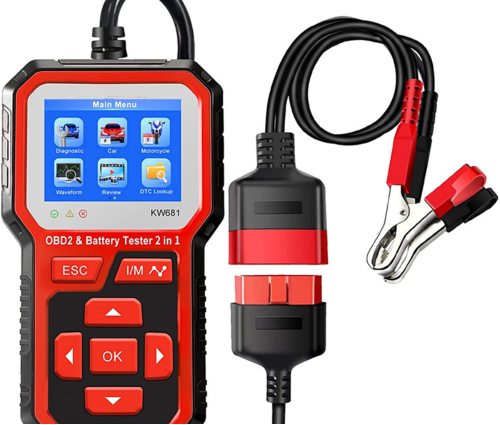
If a vehicle has memory settings or radio codes, disconnects are planned to preserve data. Some systems hold power for minutes, so technicians use wait times specified by the maker. Airbag lights must prove out on startup and then go out. If a warning remains, the car is not released until a successful scan and repair confirm the system is ready for the road. Documentation of these checks stays with the invoice for your records.
Insurance Notes for Roof Repairs
Comprehensive policies typically cover hail, but estimates should separate labor for roof PDR from interior R&R like headliner removal. Clear line items help adjusters see why safe access takes time and keeps airbags protected. Include dent counts, panel access notes, and whether roof rails or pillars required trim work. When the factory finish is preserved through Paintless Dent Repair, claims often move faster than repaint scenarios.
To set expectations, your advisor can point you to what happens during a PDR inspection and the hail repair pricing factors. Those resources explain how technicians read light patterns, choose access paths, and price according to dent size, depth, and metal type. If film or accessories complicate access, that time appears as separate operations so approvals match the real work performed.
Most insurers prefer repair methods that avoid parts replacement and keep safety systems intact. That is a major reason they support Paintless Dent Repair on viable panels. For broader context on the process and customer steps, review Auto Hail Repair and Hail Damage Repair.Together they outline booking, timelines, and quality checks so you understand each stage before the roof work begins.
Owner Prep and Aftercare Tips

After repair, watch closely for any new noises over bumps; a quick return lets the shop reseat panels properly. Avoid force or extra pressure on visors and handles for at least a full day while clips fully settle. If a battery disconnect was required, carefully reset radio presets, clock settings, and windows if needed. Keep the interior completely dry, and delay using heavy cleaning chemicals until the advisor confirms everything has fully settled correctly. A brief scheduled follow up visit can also include a final thorough light check across the roof.
Ready to Talk Through Your Roof?
Roof hail dents demand careful access near airbags and wiring. Our team plans each step,from safe headliner handling to post scan checks, so the cabin stays quiet and the roof looks right under light. We will explain whether trim removal is needed, outline timing, and provide a clear estimate with line items for PDR and interior work. If your model needs rail or pillar access, we stage that work to minimize downtime and protect trims.
Have questions about your vehicle’s curtain airbags or headliner? Contact VIP Hail Service to schedule an inspection under lights. We will review dent counts, confirm safe access, and map a repair plan that preserves factory paint. If you are between storm claims, we can document current conditions now so approvals are easier after the next event. Pickup and delivery may be available in season; ask when you book so we can match scheduling to your timeline.

VIP Hail Service | Plano, TX
Professional Hail Repair
Stay Up-to-date With Our Content
Subscribe to learn more about our mission!