
What to Expect in a Hail Damage Assessment


Inspection Process
How hail damage inspections are performed
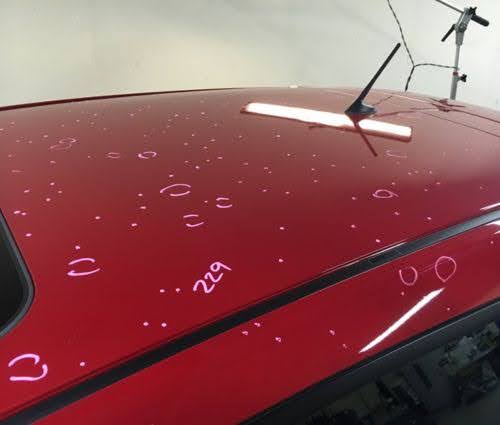
The first step in restoring your vehicle after a hailstorm is getting a professional assessment. During this inspection, technicians examine the car’s surface to evaluate the number, size, and location of dents.This allows them to gauge the extent of the damage and determine the best repair method.
Using specialized lighting tools such as reflection boards and LED lights, the technician scans each panel for visible and hard-to-spot dents. These tools reveal subtle damage that may be missed under regular lighting conditions.Once the inspection is complete, the technician prepares a photo-documented report that outlines the damage and suggests repair options like paintless dent repair.
What Technicians Examine During a Hail Damage Evaluation
During a hail damage assessment, technicians look at more than just the number of dents; they assess the full condition of each panel. The location and shape of each dent matter. A dent on a flat section of a door is easier to fix than one near a curve or edge. Dents on body lines or ridges often take more time to repair and require specialized tools to access those tighter areas.
Technicians also examine the paint. If the paint remains intact and there’s no sign of rust, the vehicle is usually a good candidate for paintless dent repair (PDR). If there’s chipped or cracked paint or visible corrosion, traditional repair methods may be necessary. These details are noted in the estimate and used to determine the best path forward.
Accessibility is another factor. To perform PDR, technicians need to get behind the dent. Some panels can be accessed easily, while others might require partial disassembly. This is factored into the repair strategy and time estimate, helping build a complete picture of the repair process.
How VIP Hail Service Performs Detailed Vehicle Assessments

VIP Hail Service uses a structured process to provide clear, honest hail damage assessments. Each inspection starts with a technician examining the vehicle panel by panel using reflection boards, LED lights, and high-visibility tools. These lighting systems help highlight even the smallest dents that might be missed under normal lighting conditions. The technician notes the size, depth, and location of each dent and checks the condition of the paint to determine whether paintless dent repair (PDR) is possible.
All findings are supported by photo documentation, which helps in preparing accurate repair estimates and communicating with insurance companies. Customers receive a detailed breakdown of the damage, the proposed repair method, and the estimated turnaround time.
All damage noted during the inspection is carefully recorded through detailed technician notes and high-quality photos. These visuals capture the exact condition of the vehicle and serve as valuable reference points throughout the repair and insurance process. Photos allow both the customer and their insurance adjuster to see the extent of the hail damage, reducing confusion or disputes later on.
This documentation is used to create a written estimate that outlines the number of dents, panel accessibility, paint condition, and whether paintless dent repair (PDR) is recommended. The estimate also includes a breakdown of labor time, any needed parts or disassembly, and the expected duration of the repair.VIP Hail Service’s goal is to provide full transparency from the start. By offering clear visuals and detailed estimates, customers are given the confidence they need to move forward with the repair process and submit accurate insurance claims.
Why Documentation and Estimate Quality Truly Matter
Photo documentation plays a deciding role in the hail damage assessment process. It’s not just helpful, it supports claim accuracy, fair pricing, and smooth communication between all parties. When a technician provides clear visual proof of the damage, it gives both customers and insurance adjusters a shared point of reference. This reduces the chance of disputes or missed dents during the claims process.
Estimates backed by detailed photos also help explain the repair method being recommended. For example, if paintless dent repair (PDR) is proposed, it’s because the technician visually confirmed the paint is undamaged and the dents meet the criteria for non-invasive repair. These visual cues make it easier to understand the technician’s approach.
High-quality assessments remove guesswork and make the next steps in the repair process more predictable. With a solid estimate and supporting visuals in hand, customers can confidently move forward. This kind of preparation sets the foundation for efficient repairs, accurate insurance claims, and a finished result that restores the vehicle’s appearance and value.
Questions you should ask during the assessment
Bringing a few thoughtful questions to your hail damage inspection can make the process smoother and more informative. One of the most helpful things to ask is whether the dents on your vehicle are eligible for paintless dent repair (PDR) or if traditional bodywork might be necessary. This distinction can impact both cost and turnaround time, so it’s important to understand which method will be used.
You should also ask about panel access. Some dent locations—especially those near edges, under braces, or behind trim—may require minor disassembly to reach the back side of the panel.
Finally, don’t hesitate to ask how your estimate will be presented. Many shops provide photo documentation alongside written details, which can be useful when submitting your insurance claim.
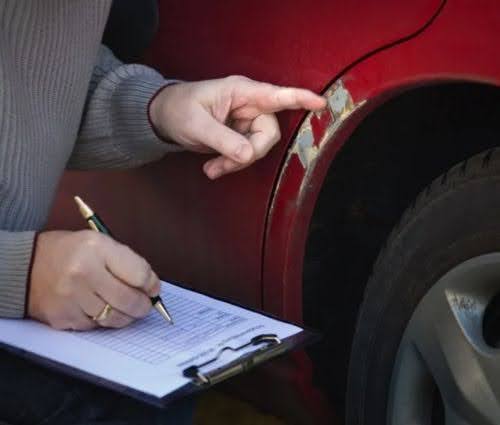
Lastly, be sure to ask how your estimate will be delivered. A photo-based report can make it easier to track the repairs, share details with your insurance company, and keep everything organized for future reference. This type of documentation adds clarity and helps avoid confusion down the line. If anything in the report is unclear, don’t hesitate to request further explanation. The more informed you are from the start, the smoother and more efficient your repair process will be.
How assessment fits into the full repair process
The hail damage vehicle assessment is the first and most decisive step in restoring your car after a storm. This is where the full extent of damage is identified, the repair strategy is outlined, and the path forward with your insurance company begins. A thorough inspection helps avoid delays later by catching everything upfront dents, paint condition, and accessibility for repair. This process sets the tone for a smooth, well-organized repair experience.
Following the inspection, the technician provides a written estimate supported by photo documentation. You can submit this estimate directly to your insurance provider. In some cases, your insurer may send an adjuster for verification, but many accept shop documentation as long as it’s detailed and accurate. Having a photo-based report helps speed up approvals and avoids back-and-forth communication.
Once your claim is approved, a repair appointment is scheduled. Wait times can vary depending on storm severity and demand, but providers like VIP Hail Service aim to schedule quickly. They often offer mobile inspections and flexible drop-off options to make the process easier. By beginning with a detailed and accurate assessment, you position yourself for fewer setbacks and a cleaner repair outcome. It’s the first and most important step in returning your vehicle to pre-storm condition.
Tips for a smooth inspection experience
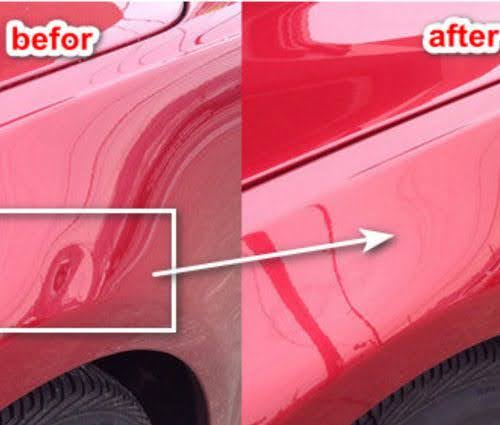
To make your hail damage assessment go as smoothly as possible, arrive with a clean vehicle. Dirt, dust, and debris can hide dents, making it harder for technicians to see the full extent of the damage. A clean surface helps the inspection tools work more effectively and leads to a more accurate estimate. It’s also helpful to bring any paperwork from your insurance provider and let the technician know if you’ve already filed a claim.
This information allows them to prepare an estimate that meets the insurance company’s documentation standards. If visiting in person isn’t possible, ask whether mobile inspection options are available. And if anything in the estimate is unclear, don’t hesitate to ask questions. Trustworthy repair shops are happy to explain the details and guide you through the process.
Assessments support better repairs and faster claims
A hail damage assessment does more than just identify dents; it shapes the entire repair process from start to finish. This initial step confirms that all damage is documented accurately, the estimate reflects real repair needs, and everything is set up for a smooth path forward. A proper assessment also speeds up insurance communication, giving providers what they need to process claims faster and approve the work without unnecessary delays.
For the repair shop, a detailed inspection allows technicians to plan ahead, gathering tools, allocating time, and preparing for the specific challenges of each vehicle. Skipping or rushing this step can lead to overlooked damage, unexpected costs, and slower turnaround times. By taking the inspection seriously, you help guarantee a more efficient repair experience and make it easier to return your vehicle to its pre-storm condition with fewer surprises.

VIP Hail Service | Plano, TX
Professional Hail Repair
Stay Up-to-date With Our Content
Subscribe to learn more about our mission!