
Glue Pulling Methods for Advanced Paintless Dent Repair on Vehicles


PDR Technique
How Glue Pulling Removes Vehicle Dents
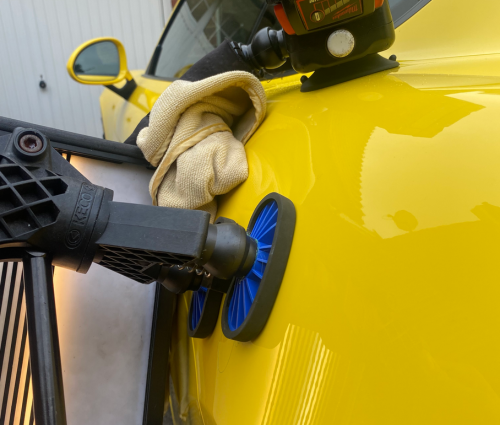
Glue pulling attaches a plastic tab to the dented surface with a measured blob of hot adhesive. After the glue cools, a slide hammer or mini lifter pulls the tab outward and carries the metal with it. No holes are drilled and factory coatings stay intact.
Technicians warm the panel to about one hundred degrees Fahrenheit before placement. This temperature keeps paint flexible and lets adhesive set evenly. Controlled lift force is applied in small increments to prevent over pull. Alcohol spray then releases the tab without harming clear coat gloss.
When Technicians Select Glue Pulling Repair Method
Glue pulling is selected when tool access from behind the dent is impossible. Examples include roof rails, double walled truck beds, and door edges tucked behind intrusion beams. Using exterior pull force prevents tearing airbags or wiring that run inside those cavities and avoids removing headliners or door glass.
Tab choice matters.Wide tabs spread force across shallow hail pits while narrow oval tabs target deep center creases.. Adhesive color indicates bond strength. Yellow formulas grip better in warm weather; clear blends set faster in cold shops. Technicians match glue and tab size to panel thickness so the metal rises smoothly without printing the tab outline.
Pull tools also vary. A mini lifter delivers direct upward pressure and is ideal for flat surfaces like hoods. Slide hammers produce gradual impact best suited to curved fenders. After each pull technicians inspect reflection lines then tap down any slight high spot with a nylon punch. This push and pull rhythm continues until the panel reflects light exactly as before the storm.
Maintaining Temperature and Humidity Controls During Repairs
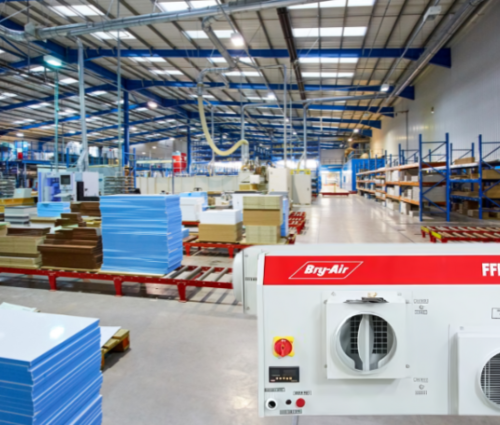
Temperature control is fundamental for adhesive performance. Panels are warmed with infrared lamps not exceeding one hundred twenty degrees Fahrenheit. If the metal is too cold glue shatters on impact; too hot and bond strength doubles, risking paint lift. Technicians monitor with an infrared thermometer placed five inches from the surface before every pull.
Ambient humidity also affects cure time. In damp air the adhesive remains rubbery longer, allowing slower controlled lifts. Dry conditions set glue quickly, useful when working on vertical door skins where tabs might creep downward. The technician keeps a timer running after placement and starts the pull once glue skins over, about thirty to sixty seconds depending on climate and glue type. Consistency keeps results predictable on every panel.
Glue pulling shines on aluminum body panels found in many late model trucks. Aluminum spring back resists pushes from behind, yet exterior pulls coax the dent gradually without overstressing paint. Technicians use specially formulated hot glue offering stronger adhesion to the oxide layer. Once lifted, aluminum cools fast so they massage high spots quickly before the metal contracts and locks shape.
Advanced tabs made from composite plastics are contoured to match complex body curves. Oval, round, and skinny crease tabs each target specific dent shapes. The pulling device footpads wear rubber guards preventing clear coat marring. After the dent is level, technicians remove residual adhesive with ninety percent isopropyl alcohol and microfiber. A final polish with non abrasive finishing compound restores shine, leaving no hint that glue or tools ever touched the surface.
Hybrid Pull and Push Dent Repair Techniques
Glue pulling is frequently paired with traditional push tools in a hybrid repair sequence. Technicians first use tabs to raise the bulk of a deep dent, then insert a fine tip rod through an existing opening to refine the crown. This combination shortens work time because less glue is needed and reduces touch downs with the hammer.
Hybrids are especially useful on roof panels where braces limit rod leverage. Exterior pulls lift metal past the brace height, after which light pushes smooth the final wave. Reassembly is faster since headliners remain in place. Owners benefit from shorter turnaround and lower risk of clip breakage or fabric wrinkles often seen after full interior removal.
Quality hinges on tab preparation. Panels must be spotless, so technicians wipe with seventy percent alcohol then scuff the tab face with fine grit to improve bite. Glue is applied in a circular motion to expel air bubbles. Equal pressure during placement avoids thin spots that can shear under load and leave glue rings on paint.
Selecting the Correct Glue Stick for Optimal Results
Selecting the correct adhesive depends on shop temperature. Low temp glues remain flexible in winter giving more time to position tabs. High temp sticks bond aggressively in summer heat when panel surfaces are already warm.
Color coding aids memory. Yellow indicates general purpose, blue suits extreme cold, purple protects delicate finishes. Technicians keep sticks in silicone trays arranged by hue near the glue gun, reducing selection errors during busy hail season repairs.
Gun temperature is set with a digital controller instead of a trigger guess. Ideal melt point sits between one eighty and one ninety degrees Fahrenheit. Above that strings form and contaminate paint, below that glue lacks wetting and tabs pop prematurely under tension.
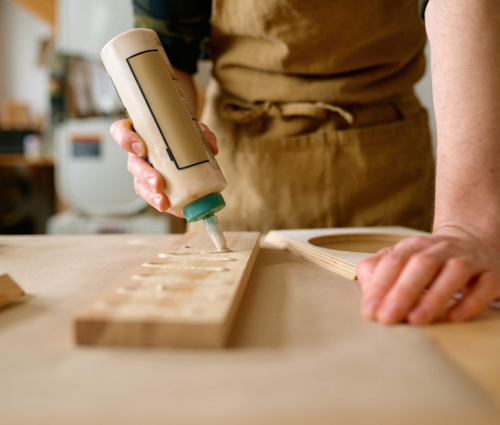
Safe glue removal carries the same weight as a clean pull. Technicians first saturate the tab’s perimeter with isopropyl alcohol; a white frost line shows the adhesive bond releasing. Instead of levering upward they rotate the tab sideways, shearing the glue without stressing clear coat. Remaining residue wipes away with a microfiber in three passes. This careful sequence prevents tiny scratches that collect grime and become dull rings under bright lighting, even on dark finishes.
Stacked Pull Techniques for Larger Dents
Large dents often demand stacked pulls. Technicians begin with a wide tab to lift the deepest point, then replace it with progressively smaller tabs to refine the profile. Between each pull they tap down ridges with a nylon knockdown, maintaining balanced tension. This ladder sequence prevents sudden metal displacement and locks every stage before the next lift, protecting factory paint from shock cracks.
Glue pulling excels on hail clusters. Each pit is ringed with grease pencil so reflections stay clear. Technicians remove outer dents first because edge metal is stiffer and holds tension. Releasing perimeter stress lets center dents rise with lower force, lowering the risk of micro highs that need extra blending later. The workflow also keeps reflection lines organized, cutting inspection time after the final polish.
Weather shifts can alter adhesive grip during long repair sessions. When humidity climbs technicians test cure time on a scrap panel each hour. If tabs fail early they switch to stronger glue or raise gun temperature by 10 °F. If residue becomes stubborn they lower heat or swap in rapid release glue. Constant monitoring of bond time, pull strength, and cleanup effort keeps results predictable, pace steady, and panels flawless despite fluctuating shop conditions.
Final Inspection Procedures and Comprehensive Repair Documentation Records
Finished panels are inspected under cross-polarized LED lighting that reveals texture variations invisible beneath standard fluorescents. The beam highlights faint rings shaped like tab outlines and tiny highs along panel edges. If inspectors see a halo, they tap it down immediately with a soft blending hammer and nylon punch while the metal remains warm and pliable, preventing future callbacks.
They photograph each panel from three distances: wide view, mid-range, and close-up, to confirm uniform reflections, then record paint-gauge readings along with panel temperature at the final pass. All images and data are uploaded to the vehicle’s digital file, and customers receive printed copies plus a transferable lifetime warranty that covers future glue-pull adjustments. This detailed record shows no repainting occurred.
Benefits of Glue Pulling for Owners
Glue pulling maintains factory paint so there is no color mismatch or loss of resale value. Because the technique works entirely from the exterior it is fully reversible, requires no drilled access holes, and eliminates future rust risk. Interior trim and headliners stay undisturbed, saving the cost of clip kits, upholstery repairs, and air bag sensor resets. The car leaves with original panels intact and its provenance unquestioned.
Turnaround is faster because no filler sanding or paint curing is required. Most hail dents lift within minutes, allowing a full roof to finish in a single day. Insurers appreciate the predictability, so supplements are rare and rental days drop. Owners who prize factory originality see glue pulling as the safest choice, and reputable shops routinely book vehicles within forty eight hours of claim approval, returning them to the road almost immediately.

VIP Hail Service | Plano, TX
Professional Hail Repair
Stay Up-to-date With Our Content
Subscribe to learn more about our mission!