
Aftermarket Panels and Refinished Surfaces in PDR


Hail repair tips
How non OEM panels affect dent repair
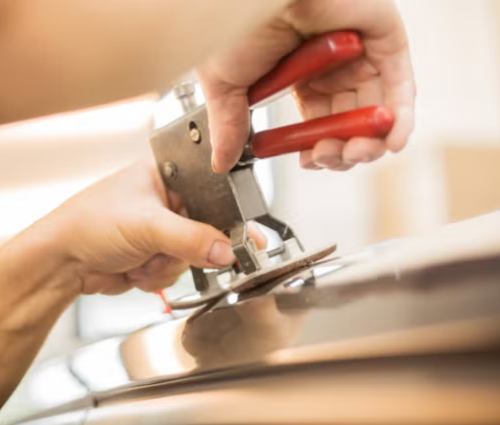
Aftermarket panels and repainted surfaces don’t always behave like factory metal during Paintless Dent Repair. Different steel grades, aluminum tempers, and filler under the paint can change how metal moves and how a clear coat responds to pressure. A panel that was skimmed with body filler may spring slowly or crack if stressed along an edge.
That’s why a careful technician verifies substrate, paint depth, and repair history before pushing.Quick checks with a paint gauge, magnet, and visual edge mapping set safe limits. If readings or texture look suspicious, they’ll adjust tool tips, reduce heat, or recommend alternatives.
Risks unique to aftermarket and repaints
Factory paint is flexible and uniform; refinish systems can vary widely. Solvent entrapment, thick clear, or thin edges around body lines raise cracking risk when metal is lifted. Aftermarket panels sometimes ship with harder e-coat or inconsistent thickness, so dents may oil-can or create micro highs.
Filler complicates the story. Even a skim coat interrupts feedback, dulls light reflections, and blocks fine tap-down control. If a dent sits partly over filler, pushing from behind can telegraph rings or split clear at the transition. Expect slower cycles, smaller tips, and conservative heat.
Repaints also age differently. UV exposure and previous polishing thin clear coat on crowns and edges, leaving little margin for error. Adhesive glue-pulling may lift weak paint, while aggressive tap-down can bruise softer respray material. A disciplined approach starts with mapping low readings, testing a small area, and confirming movement under proper hail lights. If the surface reacts poorly, creaking, whitening, or flaking, the plan shifts to limited PDR, blended refinish, or replacement to protect appearance and value.
How to evaluate panels before PDR
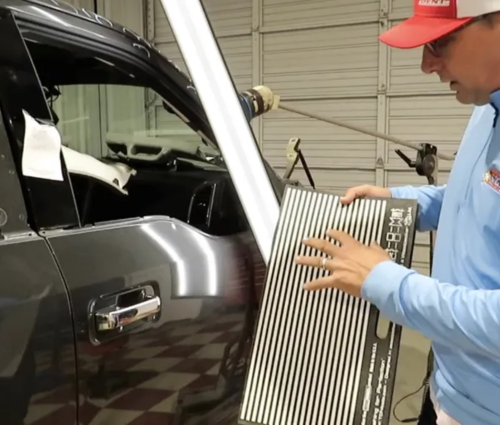
Start with lighting, cleanliness, and a paint gauge. Record averages and lows for each panel, including edges and body lines. Compare readings to adjacent panels to spot resprays.Use a magnet or substrate tester to confirm steel or aluminum, then check for filler by tapping lightly and feeling for dull, thuddy responses that differ from factory tone.
Perform a small test with minimal force in an inconspicuous area. Watch how metal returns, listen for creaks, and inspect paint for whitening. If movement is sluggish or paint stresses, pause. Switch to smaller tips, reduce heat, or select glue-pulling with mild tabs and safer adhesives. Document everything with photos against a panel map; those notes guide strategy and support insurer conversations if you recommend blended refinishing instead of full PDR.
When PDR is possible on repaints, small, shallow hail dents in open areas respond best. Work in short cycles, cooling between passes, and finish with gentle tap-down to relax crowns. Avoid dragging tools across edges, badges, or previous blend lines. Keep microfiber barriers under tips if access requires long lever paths that could contact painted braces.
Aftermarket panels are a different story. Metal thickness and temper can vary from OEM, and e-coat quality affects corrosion protection after interior access. If movement feels choppy or oil-canny, stop and reassess. Sometimes limited PDR paired with a light refinish blend is the safest path. Always close by rechecking paint thickness and gloss under neutral light, then document final readings so any later polishing or warranty discussion starts with objective numbers rather than memory. Share photos with the customer and insurer to align expectations early.
When PDR is not recommended
Skip PDR when paint shows cracking, crow’s feet, or edge chipping before you start. These signs point to fragile clear coats that will likely fail during pushing or glue-pulling. A severe crease across a body line on a repainted panel is another red flag because the stretch concentrates where the coating is thinnest.
Large, deep dents that require heavy leverage can print tool marks through thick respray or lift weak adhesion around filler transitions. If readings suggest a previous skim, you might remove a dent only to expose feather-edge defects that demand refinishing anyway. In those cases, set expectations early and recommend conventional repair with blending to restore a consistent gloss.
Glass-proximate dents on roof rails or windshield pillars deserve extra caution. Access paths can scrape fresh paint, and heat near bonded glass risks seal damage. If you cannot guarantee clean tool control and paint safety, advise replacement or a refinish-first plan. The goal is a durable, factory-like look, not a risky experiment on a vulnerable surface.
Setting expectations with customers and insurers
Clarity upfront builds trust. Explain what makes aftermarket and repainted panels different, show gauge readings, and point out thin edges or filler zones on a panel map. Share a small test result so the owner sees how the surface reacts before full work begins.
With insurers, connect risks to costs. Document why limited PDR or a blended refinish is smarter than forcing metal that may crack. Provide photos beside measurements and a written sequence for any sublet paint work, so the file reads like a plan instead of a guess.
End with clear outcomes: light PDR only, PDR plus blend, or replace and refinish. Confirm timelines, calibration needs, and warranty terms in writing to prevent surprises at delivery.

After hail, not every panel is an equal candidate for Paintless Dent Repair—especially if it’s aftermarket or has been refinished. A few quick tests can save paint, time, and money: measure thickness, confirm substrate, map filler, and try a small push. If the surface behaves well, proceed cautiously; if it protests, choose blending or replacement. The right call preserves value and prevents repeat trips. Share photos and readings so everyone agrees on next steps.
Techniques to reduce refinish risk
Use precision, not force. Start with the smallest practical tips and slow pushes that watch for movement under high-contrast hail lights. Keep panels warm, never hot; temperature should relax metal, not soften paint. Protect contact points with tape or microfiber sleeves on long tools, and keep clear film over sharp holes or edges to avoid scuffs during access.
Favor glue-pulling on suspect resprays, but choose low-tack tabs and gentle adhesives to limit peel force. Break bonds with alcohol, not heat, and chase crowns lightly rather than hammering. Each cycle should improve shape without stressing the surface. If you see whitening, micro cracks, or slow return, stop immediately and re-plan before the coating fails.
Document as you go. Mark low readings, filler transitions, and sensitive edges with removable tape so teammates avoid risky zones. Photograph before, mid, and after stages under the same lights and angles for honest comparison. Share the map with the customer and insurer when recommending partial PDR with a small blend. Close with finishing steps that are gentle on repaints: soft-pad tap-down, panel wipe with safe solvents, and a cautious polish only if readings allow. The goal is undetectable dents without sacrificing coating integrity. Note torque paths for tools to prevent accidental paint contact.
Estimating and documentation best practices

Deliver a clear, simple timeline: intake, panel mapping, controlled test, limited PDR, verification, then refinish if required. Attach consent language that the customer signs after you present repair options, potential risks, and expected outcomes. For insurers, export a single PDF including date-stamped photos, gauge readings, and finish results so approvals move quickly and efficiently. Store all files organized by VIN for future storms; the next claim will proceed faster with established.
Bottom line on non OEM panels
PDR can work on aftermarket and repainted panels, but only with measured technique, strong diagnostics, and honest limits. When tests show healthy paint and cooperative metal, small hail dents in open areas are good candidates. When readings are thin, filler is present, or movement feels choppy, partial PDR with a small blend or full refinish protects value.
Choose a shop that maps thickness, documents filler, and explains options with photos. Ask for clear notes about heat management, tool access, and where they’ll avoid pushing. Agree on realistic outcomes and warranty terms before work begins, especially near edges, body lines, and bonded glass. If conditions don’t favor safe, lasting results, skip the experiment and authorize the refinish or replacement path. Smart decisions up front keep the finish consistent, the claim organized, and your car looking factory fresh.

VIP Hail Service | Plano, TX
Professional Hail Repair
Stay Up-to-date With Our Content
Subscribe to learn more about our mission!