PDR Versus Panel Replacement: Select Smart Hail Repair for Vehicles


Repair Options
Understanding Core Repair Method Choices
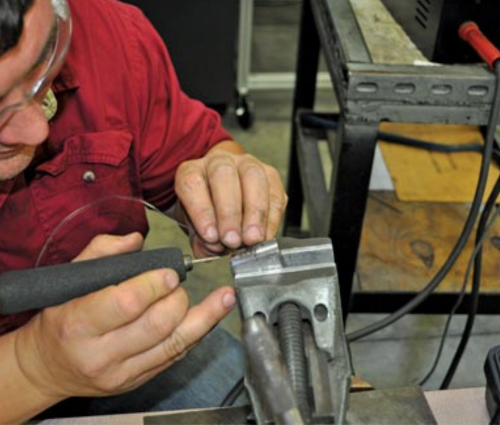
Paintless Dent Repair, or PDR, gently massages hail dents from the underside of a panel, preserving the factory finish. The technique relies on specialized rods, lighting, and measured pressure rather than fillers or new paint, keeping color intact and structural integrity unchanged.
Panel replacement, by contrast, involves removing damaged sections, sourcing new metal, and repainting to match surrounding surfaces. The process suits severe dents that stretch metal or crack paint but introduces blending risks and can affect resale value if color matching or corrosion protection falter over time. Labor costs also rise with additional steps.
Cost, Time, and Warranty Factors
PDR costs less because it eliminates paint, fillers, and blend labor. Technicians charge mostly for dent count and access difficulty, so light to moderate hail carnage often lands well below insurance deductibles. Drivers keep the factory clear-coat, which protects panels longer and spares them frame-pull fees or hazardous waste surcharges. Those savings remain in your pocket.
Turnaround time favors PDR as well. Most dent clusters clear within one to three days because curing booths and part ordering are unnecessary. Panel replacement demands paint, bondo, primer, sanding, and oven cycles, extending repairs into the week-plus range. Rental expenses climb accordingly and daily commutes face greater interruption. Fleets experience delayed billing and downtime.
Warranty coverage varies. Reputable PDR providers issue lifetime guarantees against dent reappearance or paint cracking because the original finish remains intact. Replacement panels rely on paint warranties, typically limited to three to five years, and corrosion coverage that can void if seams are not sealed exactly. Insurers often prefer longer warranties. Extended protection influences resale negotiations.
Evaluating Damage Severity Thresholds for Smart Choices
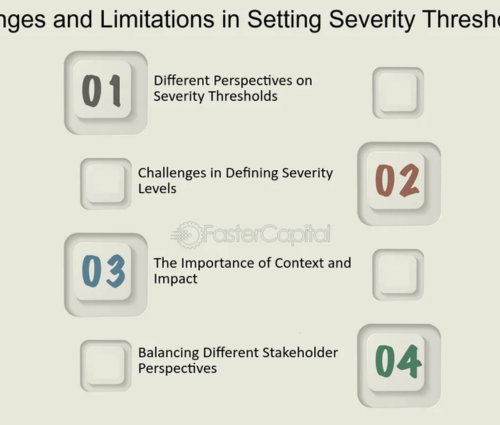
Not every hail strike qualifies for PDR. Dents larger than a half-dollar, sharp creases on body lines, or blows that fracture paint push repairs toward panel replacement. Aluminum hoods, common on pickups, also complicate PDR because the metal resists shaping and can spring back unless highly skilled tools are used.
Conversely, shallow impressions on roof panels or quarter panels usually meet PDR criteria, saving original e-coat and keeping airbags undisturbed. To judge severity, technicians use reflection boards and digital gauges that map depth in millimeters. The data outlines whether stretching occurred and guides an objective choice rather than guesswork, protecting both warranty and wallet. Many shops also reference industry matrices that correlate dent count, size, and location to repair.
Insurance policies often steer drivers toward the least expensive method that restores pre-loss value. Because PDR retains the original panels, depreciation stays minimal and carriers avoid costly paint blends across adjacent parts. Most adjusters therefore approve PDR on any dent that meets size guidelines, and many waive deductibles to encourage faster cycle times.
Panel replacement enters the picture when metal tearing, shattered glass, or compromised side curtain airbags coincide with the hail event. This route demands precise paint matching, which can be challenging under shop lighting, sometimes revealing subtle color shifts outdoors that harm resale value. It also generates solvent emissions and leftover scrap that must be recycled. Although warranties on new paint can be strong, they rarely equal lifetime guarantees offered by reputable PDR providers. Replacement amplifies labor hours, heightening the chance of minor assembly scratches or clip misalignment, factors worth considering before approving panels.
Preserving Car Value Through Smart Hail Repair Choices
PDR maintains original factory clear-coat, which buyers and auction inspectors prize. Vehicles with untouched paint test better for consistent thickness when scanned, indicating no past structural work. That authenticity translates to higher wholesale scores and often a faster private sale, especially on performance or luxury models where originality matters most.
In contrast, panel replacement introduces potential paint blend lines that sharp eyes can spot under polarized sunlight. Even when color matching succeeds, supplemental materials leave telltale thickness readings that reduce grade points in electronic auctions. Finance companies may adjust residual values downward, raising lease payments or prompting larger security deposits.
Appraisal experts also weigh repair documentation. A line item showing extensive panel replacement suggests prior high-energy impacts beyond hail, making future buyers cautious. Conversely, a concise PDR invoice signals minimal disruption and demonstrates responsible ownership. That perception can add several hundred dollars to trade-in offers and can nudge insurers toward declaring a total loss threshold later, maintaining the vehicle’s insurability along the way. Overall, originality remains the safer investment.
Technician Expertise and Tools for Precise Repairs
Successful PDR hinges on technician finesse. Specialists read metal memory, apply micro pushes, and monitor surface tension through reflection lines. Training can take years and certifications come from rigorous performance tests rather than classroom hours.
Panel replacement follows a more standardized collision protocol. Technicians detach interior trim, drill out spot welds, and bond new metal using manufacturer approved adhesives or welders. Despite guidelines, quality varies with seam sealing accuracy and paint booth calibration settings.
Both methods demand specialized tools. PDR kits include stainless rods, glue pulling stations, and soft tip hammers, whereas replacement bays need weld cutters, dust extraction, and downdraft paint ovens.
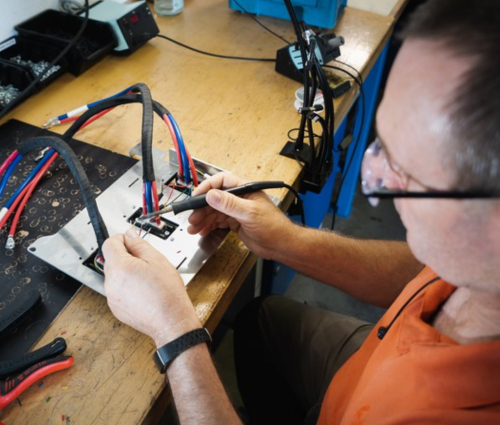
Ambient conditions influence both techniques. PDR performs best between sixty and eighty degrees, allowing metal to flex predictably. Excessive heat softens paint, risking smudges, while cold temperatures stiffen panels, increasing push force and dent memory. Panel painting, meanwhile, demands humidity control to prevent solvent popping or orange peel. Shops that maintain climate controlled bays can operate year round without compromising finish quality and warranty compliance. Consistent airflow also speeds curing and shortens customer downtime.
Environmental and Health Considerations During Hail Repairs
PDR’s footprint is small because it eliminates paint chemicals, sanding dust, and solvent emissions.. The absence of primers means no VOC release, an advantage when local regulations tighten during summer ozone alerts. Waste falls to negligible plastic glue tabs and occasional broken clips, a stark difference compared with the barrels of overspray filter sludge collision centers must handle.
Panel replacement impacts the environment at multiple stages. New steel or aluminum panels require mining, smelting, and long hauls by truck or rail before they ever reach a repair bay. Once installed, fresh coats of primer, base, and clear generate VOCs and consume kilowatts in bake ovens. Discarded panels enter scrap streams that may travel overseas before reprocessing.
Health considerations follow similar lines. Technicians working PDR avoid prolonged respirator use and exposure to isocyanate hardeners present in modern urethane clears. Collision teams, however, must suit up in filtered booths and undergo annual lung function tests. Communities near large body shops appreciate the quieter, cleaner process of PDR, which produces minimal compressor noise and virtually no paint odor after work hours. Reduced solvent output also eases compliance paperwork, lowering administrative burdens and fostering safer workplaces for apprentices who are still learning industry standards.
Insurance Process and Claim Timelines

PDR estimates are straightforward. Adjusters receive a dent count matrix, approve costs, and issue payment often within twenty four hours. No supplements are needed if technicians find hidden damage because the matrix already covers variable counts. This simplicity reduces rental days and allows drivers to keep schedules intact.
Panel replacement requires a two step approval process: an initial inspection followed by supplements for any hidden structural tweaks, clips, or blend panels. Each revision passes through adjusters and can stall repairs by a full day or more. Insurers also monitor severity percentages; replacing too many panels may push the vehicle past the total loss threshold and lead to further review. Drivers often must extend rentals or arrange alternative transport during these prolonged timelines.
Selecting the Optimal Hail Repair Path for You
Start by gauging dent size, paint integrity, and panel material. If the factory finish remains intact and the dent falls under silver dollar width, PDR almost always delivers a faster, cheaper, and more environmentally responsible solution. Confirm the shop holds current PDR certifications and offers a lifetime warranty against dent reappearance.
Choose panel replacement only when paint cracks, sharp creases distort structural points, or airbags deploy. Document damage thoroughly with good lighting and angles to avoid disputes. Discuss potential color match tolerance with the paint department and verify rust protection procedures before authorizing work. Remember that replacing bolt on parts may preserve safety ratings, but weld in sections need precise factory spot weld patterns. Balance these factors with time, cost, and resale expectations to make the most practical decision. Book a free assessment with VIP Hail Service for expert guidance.

VIP Hail Service | Plano, TX
Professional Hail Repair
Stay Up-to-date With Our Content
Subscribe to learn more about our mission!