
Trucks, SUVs, and Sedans: PDR Panel Differences


Vehicle Body Types
Why body style changes hail repair
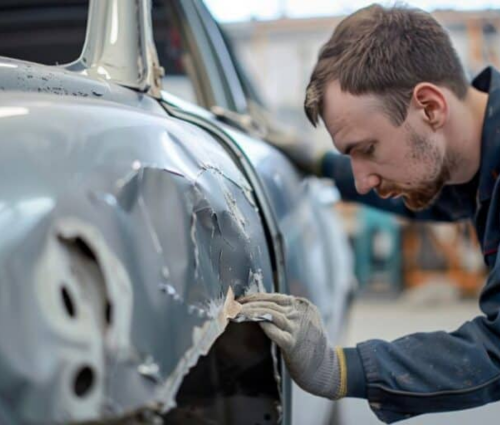
Not every hail dent behaves the same across vehicles. Trucks, SUVs, and sedans use different metal thicknesses, bracing patterns, and access points. Those differences decide tool paths, glue pulling, and the time it takes to finish. Get them wrong, and you risk highs, texture, or a wavy read.
Estimators factor in roof height, door frame design, bed sides or hatch construction, and whether panels are steel or aluminum. Technicians plan R and I steps, lighting, and leverage accordingly. Correct setup safely speeds progress and preserves factory paint, reflection lines, and value after the storm.
Trucks: bedsides, roofs, and access limits
Pickup bedsides are tall, double walled, and often thicker than doors. Inner bracing, stake pockets, and liners block clean tool paths, so glue pulling and bridge systems carry more of the load. Bed rail crowns hold tension that must be blended early or pulls peak. Longer rods with guarded tips help reach around fuel doors and tail lamp pockets.
Truck roofs sit higher and flex differently due to large spans and braces near windshield headers. Access usually requires headliner lowering, careful battery disconnects, and mapping airbag zones. Aluminum hoods and some roofs demand smaller pushes and tighter heat control. Technicians stage lighting overhead, use soft caps, and cool between passes to stop oil canning.
Tailgates and steel bumpers add labor when dents land near hinges or stamped body lines. Tool angles are shallow and risk marring edges, so smaller tabs and short, repeatable lifts keep shape true. Reassembly checks include latch alignment and water tests along caps and stake pockets. All together, trucks need more setup time but finish strong when tension is balanced.
SUVs: roofs, hatches, and trim details
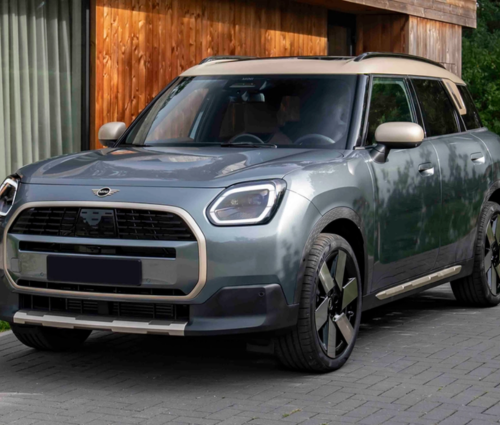
SUV roofs span long distances and meet rails that carry roof racks and weather strips. Dents near those breaks need softer pushes and frequent blending so the crisp line stays sharp. Access is through a lowered headliner, with wiring, curtain airbags, and antenna bases clearly marked. Technicians use sleeves and tape paths to avoid scuffing plastics.
Liftgates combine outer skins, glass, and tight inner reinforcements, so tool angles are limited and glue tabs do more. Sensors and cameras often sit near emblems or wiper motors; pulls stay short to protect mounts. On aluminum hatch skins, heat is modest and cycles are brief to prevent shiny highs. Final checks include wiper sweep, latch feel, and water tests around the upper seal.
Sedan door skins and quarters are lower and usually thinner than truck beds, which makes metal move with fewer strokes but also shows texture sooner. Belt line dents cross sharp styling breaks; pushes are tiny, and glue tabs start small to protect the radius. Regulators, intrusion beams, and glass demand guarded tips and taped edges during rod work.
Hoods on sedans often use aluminum to save weight, so heat is kept modest and tool strokes are shortened. Braces near hood latches and hinges reflect tension; technicians relieve crowns around those points before lifting the center. Trunk lids vary widely: some accept rod paths through factory holes, while others need glue pulling because double walls block access. Final inspection checks equal gap lines, license trim fit, and road wind noise to confirm panels read straight in sunlight. Consistent lighting removes guesswork during finishing.
Estimating differences across body styles
Estimators separate counts by panel type, alloy, and location. A bed side dent may price higher than a door dent because access is worse and glue work dominates. Roof height adds staging and safety time, especially when headliners and airbags are involved. Photos under shade and LED reflections show depth, crowns, and brace positions.
SUV and truck glass, trim, and sensor proximity can trigger scan or vendor items on the estimate.When glass remains in place and mounts are untouched, a clean post scan may be enough; if anything moves, calibration is scheduled once to avoid repeat visits. Documenting each step prevents pauses and keeps rentals predictable.
Time lines reflect panel mix. A sedan with door and hood dents may finish faster than a truck with tall beds and roof work, even at similar counts. Estimates list R and I, clip replacements, and temperature plans for glue pulling. Clear notes tie each line to photos so approvals move cleanly from review to repair. That clarity protects schedules and limits back-and-forth.
Access and R and I differences
Trucks often require headliner lowering, tail lamp removal, and bed cap work before repair begins. Liners and rails add steps that slow first pushes but pay off in cleaner reflections later.
SUVs need careful hatch and pillar trim handling, with wiring and curtain airbags mapped before tools move. Roof rack hardware and drains are documented, then reseated during reassembly. Glue workflows dominate along hatches where inner walls block rod paths.
Sedans focus on door access through windows or factory holes, regulator protection, and belt line preservation. Slim tips and shorter strokes prevent washout on sharp styling lines. Final checks include window alignment, seal set, and a road test for wind noise.
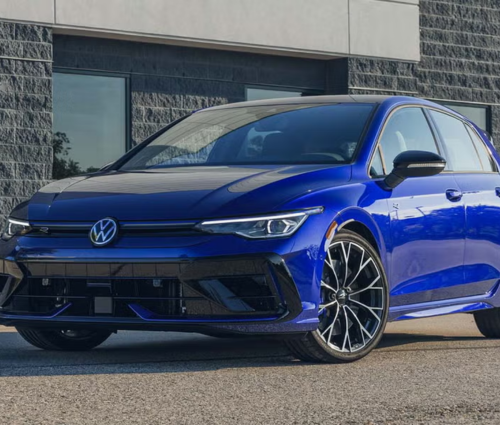
Across all body styles, the fundamentals stay the same: release crowns early, keep pulls short near edges, and read reflections from multiple angles. Good temperature control and clean surfaces give repeatable glue bonds. Document access, clips, and scan notes on the estimate so insurers approve once. That discipline avoids surprises, keeps rentals predictable, and delivers panels that look right outdoors, not just under shop lights. Customers see the difference in sunlight.
Material differences: steel and aluminum
Steel panels on trucks and sedans usually allow slightly taller strokes and firmer glue pulls, but crowns still control the outcome. Body lines on doors and quarters hold shape tightly; technicians blend shoulders after each lift so energy does not migrate. On thin steel hoods, heat is moderate and cycles are short to prevent texture.
Aluminum appears on many hoods, liftgates, and some roofs. It hardens quickly and reflects light sharply, so pushes are smaller and more frequent, with cooling breaks between. Glue tab sizes step down sooner as lows tighten. Slide hammer hits are limited; mini lifters and bridges give straighter, gentler lifts that protect paint and adhesives.
Mixed bodies require switching tactics mid job. A steel roof rail next to an aluminum panel will move at a different rate, so tool strokes and heat must be adjusted panel by panel. Estimates record alloy by location, call out single use clips, and include scan steps when wiring or sensors are nearby. During finishing, reflections are checked from several angles outdoors to confirm both materials read the same. That consistency keeps panels uniform across doors, hatches, and beds, prevents pop backs, and preserves resale value with factory paint intact.
Height, ergonomics, and safety staging

Trucks and many SUVs demand ladders, platforms, or raised racks to read roof reflections accurately. Working high adds setup and requires spotters when moving rods near glass or antenna bases. Technicians tape edges, add sleeves, and pad rails to prevent slips. The extra staging time is cheaper than fixing a scuff or a popped clip later.
Sedans bring ergonomic advantages: lower panel heights and shorter tool throws reduce fatigue and improve precision. Even so, door glass and regulators create pinch risks, so battery maintainers and window supports are used during long repairs. Across all types, a clean, stable work area and consistent lighting keep results repeatable and help estimates match real cycle time and delivery windows. Safety checklists reduce preventable mistakes.
When to contact VIP Hail Service
If your truck bed, SUV hatch, or sedan belt line took hail, contact VIP Hail Service for a clear plan. We map braces, note alloy by panel, and explain which areas need glue pulling, rod work, or brief R and I. You will know the timeline, any scan needs, and what to expect on delivery.
During intake, the vehicle is staged indoors, protected, and photographed under lights. We check drains, seals, and wiring paths, then set temperature and lighting for consistent reads. Updates arrive at checkpoints, and your advisor notes any supplements tied to photos. Before pickup, we run a post scan if required, road test for wind noise, and review reflections outdoors so you can see the result in natural light. You leave with factory paint preserved, quiet trims, and a firm, clean read.

VIP Hail Service | Plano, TX
Professional Hail Repair
Stay Up-to-date With Our Content
Subscribe to learn more about our mission!