
Hail Pricing Matrix for Accurate PDR Estimates


Pricing Basics
How the Hail Matrix Sets Panel Costs
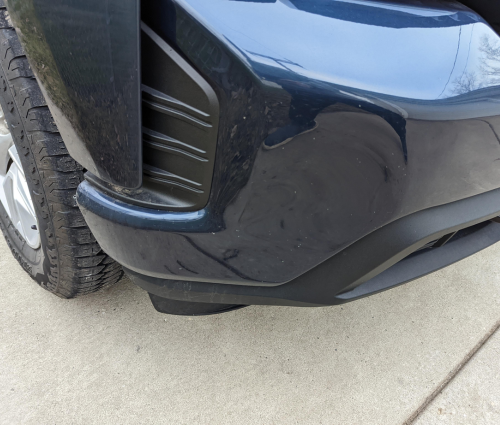
A hail pricing matrix guides adjusters and PDR shops to set labor by panel and dent severity. It groups dents by size and count, then applies time units for the work required. The matrix helps keep estimates consistent across roofs, hoods, and rails after a storm.
The matrix does not replace judgment. Access, metal type, double panels, and add on tasks like remove and install can raise or lower the total.A clear map of dents under lights, with photos and notes, lets the matrix reflect real effort while preserving factory paint with paintless dent repair.
Dent Counts Sizes and Severity Levels
Size matters because larger dents move more metal and take longer to relax. Most matrices sort by coin size or millimeter range, then tie each bracket to a labor unit. Small shallow lows on a steel hood may need quick glue pulls and light tap downs, while deep strikes near braces demand more cycles.
Dent count is the second driver. The matrix lists ranges per panel so twenty tiny dents cost less than sixty medium dents. Crowns matter too. A cluster of dents that creates tension around the low will require repeated relief to keep the metal stable. That extra control adds time units and raises the line.
Severity blends size and depth with panel location. Roofs and rails often price higher than flat doors because access is limited and bracing is tighter. Aluminum panels respond more slowly and may include an upcharge. The matrix accounts for these realities so estimates reflect real effort and finish quality, not guesswork or promises. Complex sunroof frames can add removal time as well.
What R and I Really Covers
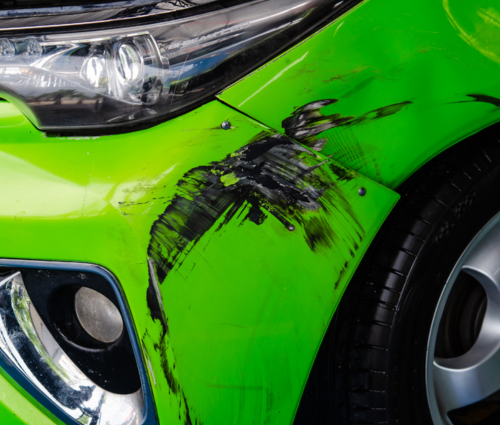
Remove and install covers the parts that must be taken off and put back to access dents or to protect trim. Common items include headliners, roof moldings, lamps, badges, wheel arch liners, and interior panels. Each task carries time based on the vehicle and may require new clips or adhesive once reassembled.
R and I lines also note safety steps such as battery disconnects before airbag work and scan tool checks after reconnection.When glass or film must be removed, those items appear separately from paintless dent repair labor. By listing this work clearly, the estimate shows why some panels take longer and keeps approvals moving. It also documents who performed sublet tasks and which parts were reused or replaced.
Add ons outside R and I often include corrosion protection, seam sealer touch ups, and cavity wax for areas that were opened. On aluminum panels, isolation pads and specific rivets may be required. Sound deadener can slow access near roof braces, so the matrix allows time for safe removal and reapplication where needed. Panoramic roof frames and drip rails may need extra sealing during reassembly to prevent wind noise.
Electronic steps appear as separate lines. Examples are pre repair scans to check sensor status and post repair scans to confirm systems are clear. When headliners are lowered, technicians follow wait times and reset procedures. Clear notes on these items prevent surprise charges later and keep the file aligned with the real work. If film or decals are present, removal and reapply time is noted so the surface reads clean under lights.
Aluminum Roofs Braces and Access Time
Aluminum moves differently than mild steel. It resists point loads and prefers broader lifts, which means more setup and more passes. The matrix reflects this with an aluminum factor where applicable. Roofs with bonded braces or sound pads also slow progress, so access time appears separately to show why a roof line may lead the estimate.
Braces limit tool paths and create hidden lows. Technicians mark them from the exterior using reflections, then choose tips and levers that reach without stressing the skin. Where a brace blocks the center, they combine glue pulls with tap downs to relax crowns before finishing from behind. That plan keeps metal stable and prevents stretch.
Panoramic glass complicates access and may require removal by a specialist. The matrix lists that as a separate line so the PDR labor remains clear. If the roof skin has heavy dent density around rails, the estimate includes added time for safe disassembly and re fit. Documenting these steps avoids confusion and keeps approvals on schedule.
Reading a Hail Estimate Line by Line
Next review factors and multipliers. Flags like aluminum, double panel, or heavy crown may add time. Then check R and I for headliner, lamp, trim, or molding work that enables safe tool paths and protects finishes and airbags.
Read the notes and photos. They show why a number changed and how access will be staged. Clear notes reduce supplements and help plan rental days. If unclear, ask for the count, size bracket, and why any line was added or removed.
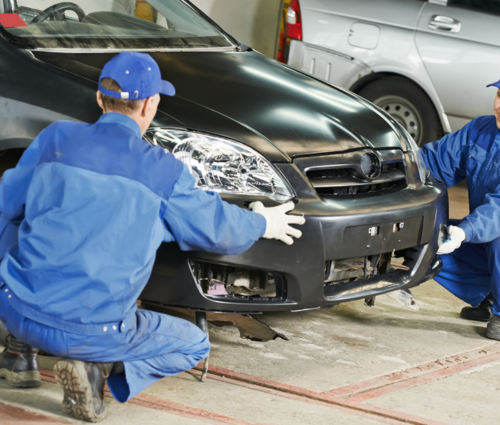
If the estimate feels high, first match the panel counts to what you see under lights. Many small dents across a roof can outprice a few medium dents on a hood, and aluminum or brace heavy areas add time even when damage looks light. Confirm whether scans, glass, or film are listed separately. When mapping and notes line up, the price is usually fair to the work needed to keep factory paint intact.
Avoiding Supplements and Timeline Delays
Supplements happen when hidden dents or access hurdles appear after work begins. Reduce that risk by starting with a clean dry car and time under lights. Provide history of prior repairs, coatings, or wraps so the estimate reflects real conditions. Ask for clear photos and a dent map by panel, plus notes on metal type and bracing. If a panoramic roof or accessory rack is installed, expect separate lines for removal and re-fit, and plan around weather since some steps require dry conditions.
Scheduling also matters. Group similar vehicles when possible so tools and tabs are set once. Let the shop know about travel or deadlines up front so repair windows match your calendar. If parts or glass are needed, approve those lines quickly and keep a single contact person reachable for questions. That momentum prevents idle time and keeps bays full.
Communication reduces back and forth. Confirm how updates will arrive and when photos will be shared. When the team finds extra dents on rails or under a brace, fast replies keep the matrix current and the file moving. Ask for proof of battery procedures and scan results when headliners come down. Simple checklists save days and keep the claim on track. Keep copies of approvals and invoices in one file so any review later is simple.
Insurance Math and Deductible Questions
Insurers compare the repair estimate to the vehicle value. When a plan that favors paintless dent repair sits well below the value, approval is likely. If glass, sensors, or heavy access push the number near the threshold, the file may need a review. Accurate mapping, clear photos, and line item notes reduce delays and defend the plan.
Deductibles are paid by the owner even when the insurer pays the shop directly.
Ask how any shop discounts apply only to your share and how they will appear on the invoice. Keep proof of payment with your photos. Clean paperwork protects future claims and helps when you sell or return a lease. If totals are discussed, request the math that compares estimate, salvage, and value.
Ready for a Transparent Estimate and Plan
Bring the car clean and dry and we will map every panel under lights. You will get dent counts by size, metal identification, and a clear access plan. We will explain where remove and install applies, which items are optional, and how the matrix sets time. The result is a price you can understand and a timeline that fits. If film or glass is involved, we coordinate timing so weather and cure windows are respected.
If you are comparing estimates, bring them along. We will walk line by line and show how factors, R and I, and materials create the difference. If a change could keep the claim repairable without risking quality, we will point it out. Either way you leave with clear photos, a plan, and confidence in the next step. You will also know what to expect for scans, test drives, and delivery checks.

VIP Hail Service | Plano, TX
Professional Hail Repair
Stay Up-to-date With Our Content
Subscribe to learn more about our mission!