
Expert PDR Restores Classic Cars After Hail Damage Without Repainting


Collector Care
Why PDR Fits Historic Metal Panels
Classic and antique vehicles often carry single-stage paint and thinner gauge steel or aluminum, making old-fashioned body filler risky.. Paintless dent repair moves the metal from behind, leaving original lacquer or enamel untouched. It preserves matching patina, factory stampings, and concours judging points that repainting would erase.
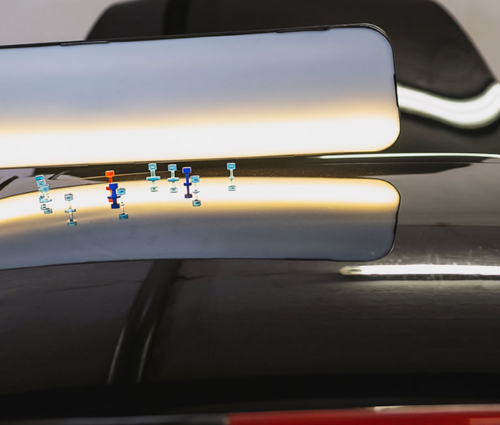
Because these cars lack modern corrosion coatings, drilling access holes is avoided. Technicians use reflector boards to read each curve, then guide slim rods through factory drain plugs or trim gaps. Slow incremental pushes guarantee no micro-cracks in aged paint, safeguarding irreplaceable originality.
Assessing Hail Damage on Classic and Collector Vehicles
Dent evaluation on vintage cars begins with verifying whether the original finish remains. Early enamels and nitrocellulose lacquers harden and thin over decades, reducing elasticity. The technician lights the panel with soft LED strips, marking high ridges and tension points around each hail pit. Photographing these reflections creates a baseline before tools touch the surface.
Next, metal composition is confirmed. Many classics use low-carbon steel but some European sports cars feature aluminum or even magnesium panels. A digital thickness gauge identifies areas previously skimmed with filler, which could crack under pressure. The technician cross-checks service manuals to find interior bracing, securing rods will not stretch delicate seams or loosen lead-loaded joints.
The final step is paint thickness mapping with a non-contact ultrasonic unit. Readings above 200 microns suggest past repainting, which can chip during metal movement. In such cases, glue-pull techniques from the exterior are favored over internal pushes. This diagnostic routine gives owners a clear risk profile and written plan before any dent restoration begins.
Planning Interior Access Without Any Panel Drilling

Original sheet-metal integrity matters in a Shelby Mustang or pre-war Packard. Rather than drill, technicians remove door cards, tail-light housings, even rear seats to find factory openings. Flexible nylon wedges protect leather and mohair trims while panels are loosened. Each fastener is labeled and bagged, preventing mismatched screws that diminish authenticity during reassembly.
If no internal path exists, a reversible glue-pull process is selected. Technicians choose oval tabs to spread load over fragile paint, then apply low-temperature vintage-safe adhesive that releases with citrus alcohol at 90 °F. A controlled slide hammer lifts metal millimeters at a time. After each cycle, soft knockdown taps blend crowns flat, retaining factory contours without sanding, primer, or color blend.
Maintaining temperature control is necessary because older paint systems soften quickly. Infrared lamps warm panels to 100 °F, restoring elasticity without bubbling the lacquer. Surface heat is monitored with a non-contact thermometer every minute. This verifiesdent memory releases smoothly, reducing tool force and eliminating risk of spider cracks along aged pinstripes or coach lines.
Cooling cycles follow each push. Compressed air at room temperature returns the panel to ambient, locking the reshaped metal before the next pass. The warm-cool rhythm mimics factory shaping, so the repaired area ages uniformly. When light reflections run true, technicians finish with ultra-fine glaze, not abrasive compounds, preserving the subtle factory orange peel. The repair becomes invisible except under precision lamps. Step-by-step photos are archived with maintenance records for future judges and prospective buyers. These measures guard investment value and support agreed insurance valuations.
Handling Leaded Bodywork Safely During Vintage Dent Repairs
Many pre-1970 luxury cars used lead solder along roof seams and panel joints. Lead lacks the elasticity of steel, so driving a rod behind a dent can shatter the seam and release hazardous dust. Technicians probe each site with an infrared scanner; sudden cool spots flag hidden lead that must be handled differently from surrounding sheet metal.
On leaded surfaces the safest strategy is precision glue pulling paired with gentle crown tapping.. Oval glue tabs spread force across the paint, while low-temperature adhesives release with citrus alcohol under 90 °F, preventing lead vapor. This exterior method raises shallow hail pits cleanly, maintaining factory tinning, original roofline contours, and concours originality.
If a dent spans both steel and lead, technicians stage the work. They first relieve tension on the steel side with micro pushes, then shift to glue for the lead, leveling that surface last. A fine metal file card verifies smoothness; any pinholes are refilled with low-temp solder and wet-sanded, erasing all evidence of the storm.
Protecting Delicate Interior Trim During Dent Repair Service
Original leather, wool carpet, and bakelite panels are fragile. Before tools enter, technicians fit seat covers, wrap steering wheels, and lay adhesive plastic over sills. Mirrors and chrome knobs are tagged to prevent accidental scratches or misplacement during disassembly.
The shop creates a photo map of every interior piece removed. Images show bolt lengths and washer order, confirming concours-correct reassembly. Small parts are sealed in labeled bags then placed in a lockable parts cart separated from modern vehicle hardware.
Climate control stays on low humidity to stop seat stitching wicking moisture from technicians’ hands. Workstations use foam-topped stands, preventing trim distortion. These precautions keep restorations invisible.
After repairs, every component is reinstalled following the photo map. The technician checks window cranks, courtesy lights, and vent pulls, confirming they function smoothly. A final microfiber wipe removes fingerprints from wood veneers and chrome bezels. Finally, a neutral interior deodorizer eliminates any residue scent, returning the cockpit to its pre-storm condition. Documentation is signed by a second technician to verify fit and finish, adding credibility for future buyers, judges, and insurance appraisers alike.
Verifying Vehicle Originality Following Expert Paintless Dent Repair
Concours judges scrutinize panel gaps, spot weld counts, and paint texture. After PDR, technicians inspect gaps with a 0.5 mm feeler gauge along fenders, doors, and trunk lids. Any deviation from factory blueprint is corrected by micro adjusting hinges or latch shims. Paint texture is compared under polarized light; the slight pebble characteristic of original finishes must match repaired zones exactly, otherwise minor blending passes are repeated until indistinguishable.
Documentation follows the inspection. The shop prints before-and-after reflection board images, paint thickness charts, and gap measurements, then stores them in an archival sleeve. Owners receive both physical and digital copies. This package supports provenance when consigning the vehicle to auction, as bidders can verify that no filler or repaint work occurred. Insurance carriers also accept the file as evidence that structural value remains unchanged after the storm.
Finally, a short road test validates that repaired panels align under dynamic load. The technician monitors wind noise, door latch engagement, and mirror vibration on uneven pavement. Any anomaly prompts immediate adjustment to avoid future rattles that could lower judging scores. Upon return, torque paint is applied to fasteners, guaranteeing tamper evidence. The finished car now meets both originality standards and modern safety expectations while retaining full eligibility for historic registration.
Paint Thickness and Classic Metal Memory Preservation

Original enamel layers on classics average 80-100 microns, thinner than modern clear-coat systems. Technicians take baseline readings at undamaged spots. Throughout PDR, they remeasure; any drop signals overstretch or hidden cracking. Immediate correction keeps lacquer from fracturing months later. Maintaining thickness also establishesUV resistance, preventing color fade lines that betray repair work under show lighting.
Metal memory is equally vital. Steel from the 1960s responds differently to force than modern alloys because its grain structure is less uniform. Technicians use gradual micro pushes, allowing the panel to relax between cycles, which avoids the oil-can effect. After the dent is gone, they conduct a gentle flex test.
Choosing a Specialist Vintage PDR Shop
Not every dent technician understands older metallurgy. Ask for proof of work on at least twenty pre-1975 cars in the last year. Verify they carry period-correct tools, such as slim whale tails for narrow rain gutters and padded edge protectors for chrome drip rails. A tour of the facility should show segregated storage bays and humidity-controlled environments that prevent rust blossoming during multi-day repairs.
Insurance partnerships also matter. A shop experienced with agreed-value and stated-value policies can photograph damage to underwriters’ standards and speed approvals. Finally, insist on a written lifetime warranty transferable to future owners, plus a digital photo log. These assurances safeguard the car’s investment status, giving restorers, insurers, and auction houses confidence that hail damage was repaired using methods sympathetic to its era, not quick fixes that could devalue provenance later.

VIP Hail Service | Plano, TX
Professional Hail Repair
Stay Up-to-date With Our Content
Subscribe to learn more about our mission!