
Gap Insurance and Hail Total Loss Basics


Insurance & Claims
When hail damage triggers a total loss
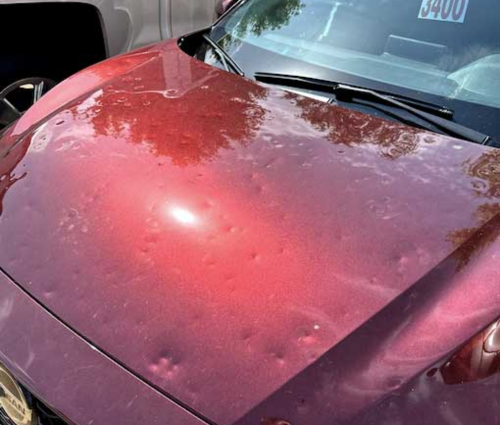
Insurers declare a total loss when the repair cost plus supplemental factors meets or exceeds a set percentage of the vehicle’s actual cash value (ACV). Thresholds vary by state and carrier, but hail can tip a borderline vehicle over the line when multiple panels, glass, and labor add up. In practice, adjusters compare ACV to estimated repair plus salvage value to decide whether repair or settlement makes more financial sense.
Gap insurance covers the difference between your loan payoff and ACV if the car is totaled; it usually doesn’t cover deductibles, rentals, or negative equity add-ons.
How gap insurance interacts with hail
When hail totals a financed car, comprehensive coverage pays the ACV less your deductible. If the ACV is lower than your loan or lease balance, gap insurance pays that shortfall to the lender, preventing an out-of-pocket payoff. Your deductible typically still applies to the comprehensive portion, and the gap does not reimburse it unless your policy explicitly says so.
If the car isn’t a total loss, the gap doesn’t apply. Your claim proceeds like any hail repair: estimate, approvals, and repairs, often Paintless Dent Repair (PDR) to preserve factory paint and resale. You pay the comprehensive deductible and keep the car. Financing stays the same because the lender still has collateral with value close to or above the outstanding balance.
Choosing to retain a totaled vehicle can change the math. The insurer deducts a salvage value from your settlement; some lenders or gap contracts won’t pay the remaining difference if the car is kept and titled salvage. Confirm rules in writing before electing owner retention. If allowed, expect a branded title, inspection requirements, and limited future comprehensive coverage.
ACV, payoff, and negative equity math
Typical exclusions include late or deferred payments, extended warranties, credit insurance, aftermarket add-ons, and prior balances that were rolled into the loan. Gap pays the lender, not you, so refunds from service contracts or warranties may reduce the shortfall first before any benefit applies. You’re still responsible for missed installments and fees regardless of coverage. Ask the carrier and lender for a payoff letter and a gap benefits letter before you sign the final settlement papers.
After a total loss call, you’ll receive an ACV worksheet and options: release the vehicle, retain it for salvage, or contest valuation with comparable listings. Review taxes, title, and fees on the settlement; many states add sales tax to ACV, narrowing the gap difference. If valuation seems light, submit cleaner comps, maintenance records, and recent upgrades that affect market value, wheels and electronics count more than cosmetic accessories.
Once numbers are final, the insurer pays the lender up to ACV minus deductible, then the gap, if active, covers the remaining payoff. Any leftover balance you owe is limited to uncovered items or late fees. If the vehicle isn’t totaled, schedule PDR promptly to avoid backlogs after regional storms. VIP Hail Service can blueprint dents by panel and coordinate glass and calibrations so you’re back on the road quickly.
Preventing totals with smart repair choices
Accurate blueprinting and Paintless Dent Repair (PDR) can keep repair costs below total-loss thresholds by fixing metal cleanly without repaint or blends. PDR preserves factory corrosion coatings and often shortens cycle time, which reduces rental days. On hail-heavy roofs and hoods, a skilled PDR plan with timely glass replacement can move a borderline car from “total” territory to a straightforward repair.
Schedule quickly after a regional storm to beat backlogs that inflate cycle time and rentals.Keep communication tight between shop and adjuster so supplements approve in one pass. Quality PDR avoids blend panels and color-match risk, protecting resale value. Ask for light-board photos and a panel-by-panel count so the file reads cleanly for desk review.
For vehicles near payoff or with high mileage, consider PDR on most panels with limited conventional work, or selective panel replacement when cost-effective. Your advisor can model ACV versus repair totals to show where the threshold may sit. VIP Hail Service provides written estimates, blueprint photos, and timelines so you can decide fast and avoid storage or rental overruns.
What gap usually does and doesn’t cover
Generally, the gap covers the difference between the insurer’s ACV payment (after deductible) and your loan or lease payoff, up to the policy’s maximum. Payment goes directly to the lender. Some policies cap benefits as a percent of ACV or a fixed dollar amount.
It typically excludes late or skipped payments, prior balances, aftermarket accessories, warranties, credit insurance, and rental or storage charges. It also doesn’t address diminished value or sales-tax differences beyond the policy terms.
Leases can add wrinkles: some gap is embedded in the contract and may follow different rules, including how refunds and fees are applied. Get lender and carrier letters detailing payoff, gap application, and any offsets.
Unsure if your car is totaled? Start with clean photos, a quick blueprint under soft light, and a call to your insurer to open a comprehensive claim. Ask for the ACV timeline and whether your policy includes a gap. Share your lender’s payoff letter as soon as it’s available. With those three pieces, photos, ACV path, payoff, everyone can decide quickly whether PDR makes sense or a total-loss settlement is the better route.
Steps if your car is totaled
Get a payoff letter from your lender with a good-through date. 2) Send the insurer your documents: title or registration, ID, keys, and any lienholder info. 3) Ask for the ACV worksheet and a written settlement summary that shows deductible, taxes, fees, and whether the car will be towed to a yard. 4) Open a gap claim immediately and provide the payoff letter and insurance settlement estimate so the lender’s shortfall can be verified quickly.
Confirm where the insurer sends funds: to the lender first, with any remainder to you. If ACV seems low, present cleaner comparable listings and maintenance records before signing. Ask how sales tax and title fees are handled in your state. If you want to keep the car, request the salvage retention value in writing and verify that your lender and gap contract allow owner retention without voiding benefits.
Return plates if required, cancel add-on products you no longer need, and keep copies of every letter. If you’re replacing the vehicle, review gap options for the new loan and consider higher glass or rental limits for storm season. If the car wasn’t totaled, book PDR now; VIP Hail Service can map dents, coordinate glass and calibrations, and give you an accurate, written timeline.
If the car isn’t totaled
Expect to pay your deductible to the shop and receive insurer payment for approved work once all line items are verified. Confirm part numbers for any moldings or clips removed for access, and ask for a written warranty on PDR that clearly outlines coverage terms. VIP Hail Service provides light checks and panel photos at delivery so you can show the carrier the result if asked or if questions arise later.
Talk to a gap-savvy hail team
Need help deciding between repair and total loss? VIP Hail Service can blueprint the vehicle under lights, provide a clean estimate, and prepare photos that insurers and lenders understand. We’ll explain how PDR fits your claim, what documents the adjuster needs, and how the gap coordinates with payoff. You’ll leave with a simple timeline and a plan that protects your finish and your budget. Same-day estimates available in season.
Prefer to start remotely? Send panel photos and your payoff letter; we’ll pre-screen the file and schedule an in-person confirmation. If the car isn’t totaled, we’ll book PDR, coordinate glass and calibrations, and deliver a clear invoice for your records. If it is, we’ll help organize paperwork so the ACV and gap steps close smoothly and you can move on to your next vehicle.

VIP Hail Service | Plano, TX
Professional Hail Repair
Stay Up-to-date With Our Content
Subscribe to learn more about our mission!