
Totaled by Hail: Total Loss vs. PDR


Insurance Decisions
How adjusters decide total loss

After a major hailstorm, an adjuster compares your vehicle’s repair estimate to its actual cash value. If repairs plus supplements approach a set threshold, the car may be declared a total loss. When panels qualify for Paintless Dent Repair, costs drop because factory paint stays, parts are not replaced, and cycle time is shorter. See Paintless Dent Repair PDR for how this works on storm damage.
Safety items, structural panels, and parts availability also influence the outcome. A mapped inspection and line item estimate show when PDR restores value versus when conventional repairs push totals.
What pushes a car to total
Actual cash value sets the ceiling. Older vehicles with lower market value reach the threshold faster, even with modest dent counts. By contrast, newer models with higher ACV can absorb a larger PDR estimate before totaling. Aluminum skins and panoramic roofs also matter because access can be limited and time adds up.
Depth and spread of damage drive labor. Dozens of medium dents across roof, hood, and rails take longer than many tiny lows. If braces block access, interior trim or headliner removal is needed. Broken glass, damaged moldings, or sensors add parts costs that do not respond to PDR, pulling the estimate upward. Tool access on braced roofs can slow progress.
Policy rules and local statutes shape the decision. Some carriers use fixed percentage thresholds; others factor salvage value. If the repair estimate, supplements, and rental exposure exceed that point, the vehicle totals. Clear photos and a measured dent count give adjusters confidence when a save is realistic.For cost drivers, review hail repair pricing factors
Why insurers favor PDR first
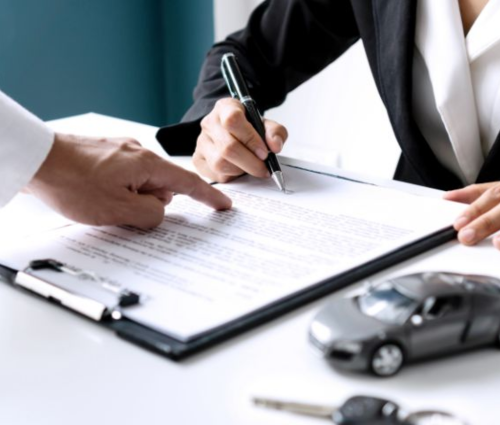
PDR preserves factory paint, which avoids color match risk, overspray, and diminished value from refinish lines.It also reduces parts orders and shortens cycle time. Those gains lower loss severity, so many carriers approve PDR when panels qualify. Adjusters rely on inspection notes that show metal type, dent size, and access plan to verify the path. Shops that map dents under LED boards and record access reduce guesswork and supplements.
Not every panel can be fully saved. Stretched metal, sharp creases, or extensive previous body work can significantly limit achievable results. A hybrid repair plan may combine glue pulls and precision rod pushes with limited conventional bodywork where necessary. If that combined cost stays below the vehicle’s actual value, it is generally considered repairable.
Actual cash value is the insurer’s baseline. The company estimates what your car was worth the day before the storm, then compares that figure to expected repair costs plus rental days and fees. If a clean PDR plan fits comfortably below the ACV threshold, the claim leans repairable. If rust, prior paintwork, or widespread sharp dents push labor high, the totals tighten.
Owners still have choices. Ask for a repair first review, request a second PDR estimate, or trim non essential items that do not affect safety. When a total is declared, you may retain salvage in some states, but title branding and buy back math matter. A shop that explains both paths helps you decide without pressure. See our Hail Damage Repair overview for timelines and parts expectations. Keep photos, line item estimates, and maintenance proof; clean documentation speeds approvals, especially on roofs, rails, and aluminum hoods.
Reading a hail estimate without confusion
Start with the panel list. Roof, hood, deck, and rails carry dent counts and size categories that determine labor units. Aluminum or high strength steel are marked because they move differently and take more time. Look for separate lines for headliner, trim, or rail access that enable proper tool paths.
Glue pulling, push time, and tap down blending often appear together because each step supports the next. You should also see items for corrosion protection, sound deadener, and adhesives where applicable. If glass or moldings are broken, those parts add cost that PDR cannot avoid, and they are listed as materials, not labor.
Check for notes on prior repairs, repainted panels, or rust. These can limit PDR and add risk for paint damage, so the estimate may include contingency time or a conventional line. Clear notes and photos help adjusters approve the right path and reduce back and forth once the car is in the bay. Ask your advisor to explain any abbreviations and how each line supports a paint safe repair plan.
When totals make more sense
If repainting most panels is unavoidable, diminished value after refinishing may also weigh against repair. Fleet vehicles and high mileage commuters sometimes benefit from a payout that lets owners move on without a long shop visit.
When a car totals, confirm storage, rental limits, and buy back options early. Ask how salvage title branding affects registration and insurance. Good paperwork prevents surprises and helps you replace the vehicle with confidence. Keep copies of all estimates and photos.

Prefer to avoid a total? Book an inspection under lights with a shop that specializes in Paintless Dent Repair. A measured dent count, metal ID, and a practical access plan can reveal a repairable path the initial drive missed.Start with Auto Hail Repair resources to preview steps, timelines, and what qualifies for PDR. If repair is not realistic, you will at least know early and can plan payout, rental timing, and title decisions with less stress.
Owner steps that speed decisions
Document the car before repairs. Photograph every panel in shade and sun, then close ups of the worst dents. Capture VIN, mileage, and any aftermarket parts or coatings. Bring service records that support value. At the estimate, ask for a line item PDR plan with dent counts, metal type, and access notes. Request that film or wrap removal appear separately if present.
Share claim basics with your advisor: policy deductible, rental coverage, and prior claims, if any. If your first estimate suggests a total, ask for a second opinion from a PDR focused shop. Shops that map under LED boards and provide panel photos reduce guesswork for adjusters, which speeds approvals. When a part is cosmetic and not safety critical, ask whether it can be delayed or omitted to keep the claim repairable.
Stay reachable during supplements. As hidden dents appear on roof rails or under braces, quick approvals keep the plan on track. Confirm scan tool needs and battery procedures if headliner work is required. When the claim stays below the threshold, you keep original paint and avoid title branding. If the numbers cross the line, your early documentation still helps: you will settle faster and move to replacement with confidence.
PDR vs total real world examples
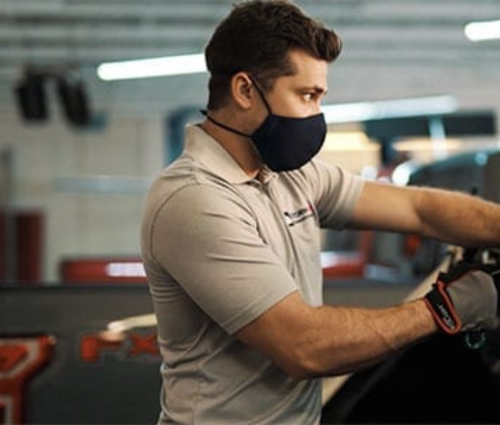
Example one: a mid size sedan with 80 small dents on roof and hood, clear access, and original paint. A pure PDR plan plus minor moldings sits well below market value. Result: repairable, factory finish kept, short rental. Photos and a measured map give the adjuster confidence, and the shop finishes with minimal parts and no repaint risk. Rental days stay low.
Example two: an older crossover with deep, widespread dents, a cracked windshield, and a prior repaint on the hood. Braced roof sections require extra labor time, and the risk of refinish issues is high. When factoring in glass replacement, sensors, and trim costs, the repair estimate approaches the total loss threshold. Result: likely a total loss. Keeping the car means accepting a branded title after buyback, which can complicate resale, so taking the full payout is usually the sensible path for resale.
Have questions about your claim
Bring your vehicle for a light guided inspection and a straight answer on repairability. We will map dents, confirm metal type, and outline a plan that protects factory paint when possible. If totals are likely, you will see why, the math, the threshold, and your options, including buy back questions. You will also get a realistic timeline and a note on rental needs based on panel count and access.
Expect a clear estimate with dent counts, access notes, and any parts listed plainly. We can provide photos for your file so approvals move faster. If you choose repair, we will stage access and scans correctly to protect airbags and electronics. If you choose payout, we will help gather documents so settlement stays smooth. Either way, you leave with a clean plan, photos under lights, and a single point of contact to keep updates simple.

VIP Hail Service | Plano, TX
Professional Hail Repair
Stay Up-to-date With Our Content
Subscribe to learn more about our mission!