
Inside a Hail Response Tent


Rapid Setup
Anatomy of a Tent Hub

Crews arrive roughly twelve hours after a major storm and assemble modular frames that snap together like scaffolding. Large vinyl skins stretch over the arches and zipper shut to seal out dust wind and humidity. High strength anchors secure the tent to asphalt or gravel pads preventing shifts in high winds. Quick assembly makes large tent footprints ready in under four hours.
Portable HVAC units slot into corner pockets directing conditioned air through fabric ducts to maintain a steady seventy degree environment. This climate control ensures glue cures at consistent viscosity and keeps technicians alert on sixteen hour shifts.
Vehicle Flow Explained Step by Step
Cars arrive in lanes at the wash bay. Soft brushes and low pressure water remove tree debris and dust from roofs. High resolution cameras scan each panel to reveal dent patterns and feed mapping software.After cleaning a coordinator scans the VIN attaches a lane specific tag and assigns the car to a repair track based on roof material sensor locations and surface area.
Next the vehicle enters triage lanes where technicians perform a flashlight walk around. They mark every dent on panel schematics and log counts in the insurer portal. Once the estimator uploads details and secures approval cars move to dedicated stations. Simple dents route to glue pull bays while deeper depressions head to rod and tap stations for paintless repair.
After repair bays each car travels through strip light corridors for precise inspection. Quality control technicians flag any micro highs then release vehicles for final polish. After polishing every panel passes a last scan under polarized lamps. Completed cars exit through customer pickup where staff reviews the work and schedules delivery or return.
Electric and Air Tools Mix
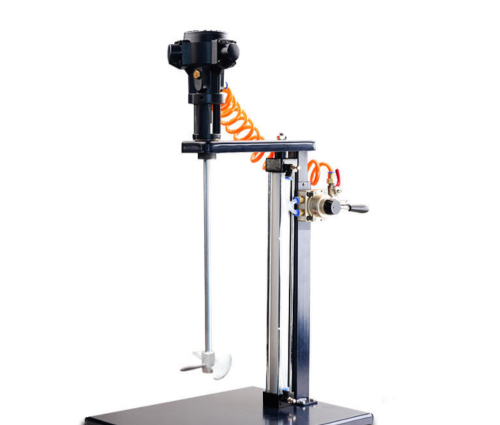
Electric lifters manage aluminum body panels with controlled ramped force. Technicians input precise kilogram targets on digital pads before each pull. The gentle increase avoids overstretch and membrane issues in thin skins. Pneumatic glue guns by contrast apply near instant force spikes ideal for breaking stubborn crowns in steel substrates. This swift action speeds up repairs on thicker panels but requires careful pressure regulation to avoid damage.
Every pull is logged in tablet software showing force curves and duration. These digital records attach to each insurance claim so auditors verify that energy levels match factory allowances. Managers review aggregated data to identify technician consistency and tool performance. In high volume tents this data driven approach helps ensure quality control across hundreds of vehicles each day.
To maximize throughput two technicians work in tandem at each bay. One operator applies adhesive tabs and manages heat lamps to optimize glue activation. Meanwhile the second uses steel rods and knockdowns under the panel skin to refine metal contours. This choreography doubles daily output without sacrificing repair finesse. Clear task separation reduces operator fatigue and streamlines workflow during peak demand. Technicians communicate via headsets ensuring synchronized pulls and tool swaps.
Portable battery powered lights clamp to door frames and roofs creating crisp shadow lines for precise dent detection even under cloudy skies. After glue pulls and rod work each panel passes uniform illumination checks. A senior technician conducts a final inspection under polarized lamps ensuring no gloss distortion remains. Only when the tent levee of light reveals a flawless surface does the car proceed to the polishing station. These lights feature adjustable intensity settings for varied panel textures.
On Site Insurer Collaboration Process
Certified adjusters set up in branded trailers adjacent to the tent facility and connect to shared high speed WiFi. As mapping data uploads technicians request supplement approvals through the insurer portal in real time. Immediate digital reviews replace traditional email loops and phone calls. This seamless connection drastically shortens decision times and accelerates workflow across repair bays.
Fast claim releases reduce rental car expenses and eliminate customer parking backups. With adjusters on site vehicles move from triage to repair without waiting for offsite signoffs. During peak storms the center cycles over three hundred cars per week. This speed to repair also helps insurers meet customer satisfaction targets and lowers overall claim cycle durations.
Integrated reporting tools automatically sync repair progress and supplement details back to insurer systems. Auditors access force graphs photo logs and approval timestamps to validate every repair. This transparency minimizes disputes and ensures payout accuracy. By combining workflow and claims data under one platform VIP Hail Service and its insurance partners streamline workflows reduce administrative overhead and improve overall tent center productivity.
Customer Arrival and Journey Steps
Customers schedule appointments using the web portal and choose available time slots. They receive a QR code via text or email with vehicle details and booked bay number. This digital ticket streamlines intake and reduces front desk wait times on busy days.
Upon arrival staff scans the QR code and retrieves vehicle records instantly. A progress card prints showing each repair stage with estimated completion times and bay assignments. Owners can monitor status updates on the card or via live portal links keeping them informed throughout the process.
A customer lounge offers comfortable seating WiFi charging stations and complimentary refreshments. Large monitors display live camera feeds of repair lanes giving transparent views of technicians at work and alleviating downtime anxiety.

First time visitors should arrive ten minutes before their scheduled appointment to complete intake without rushing. At check in staff scans your QR code and reviews insurance details before printing a progress card. Clearing trunks and removing loose cabin items speeds data entry and prevents delays. You will receive text alerts when repairs reach the polishing stage to keep pickup lines moving smoothly. Relax in the lounge or watch repair lanes on live monitors.
Logistics Behind the Tent Curtain
Every night suppliers deliver glue sticks rods and adhesive tabs directly to the tent site and stack them in color coded bins mounted on rolling racks. Integrated inventory sensors monitor bin levels and ping restock alerts to a central tablet. Automatic reorder triggers ensure technicians never run out of supplies during high volume storms. This system keeps repair lanes stocked and eliminates downtime from manual restocking. Additional accessories like heat lamps pad sets and panel reference charts arrive with each shipment.
Under each wash bay water reclamation mats filter runoff and channel it into portable holding tanks. This reclaimed water meets environmental regulations and prevents soil contamination. Generators run at economy settings minimizing diesel consumption while powering strip lights and compressors. An auxiliary battery farm captures power spikes from air lines and compensates peak loads to maintain steady voltage and eliminate flicker that could disrupt precision inspections.
Security teams patrol perimeter fences 24 7 and log every vehicle plate entering or exiting after dark using digital gate scanners. Inside the tent vehicles park in numbered zones with soft tire chocks to prevent movement during inspections. When rows need repositioning tow trucks move cars forward without starting engines keeping air quality high inside the canvas. This controlled environment enhances safety and preserves tent integrity throughout extended operations.
Routine Maintenance Keeps Output High

Every morning technicians begin with HVAC maintenance to keep tent climate control consistent. They replace or clean air filters inspect ductwork for leaks and verify thermostat calibration. Moisture traps on pneumatic lines drain automatically but require visual inspection to clear residual water that can damage air tools. Compressor units log operating hours and oil levels with digital sensors to schedule timely servicing.
Each night crew members wipe down LED strip light panels using microfiber sleeves to maintain high reflectivity. Surge protectors and backup battery banks are tested weekly to ensure uninterrupted power for precision inspections. Technicians also lubricate tool gears and check hose connections on glue guns.
Making the Most of Tent Service
To secure the best tent lanes schedule appointments as soon as your insurer opens storm response booking for the week. Early slots ensure shorter wait times and access to premium repair stations. Use the mobile portal to upload damage photos before arrival so pre mapping shaves up to twenty minutes at check in. This step accelerates approvals and helps the center process claims faster when volumes spike.
After repair panels exit the tent avoid washing for at least forty eight hours. Static charge from polish attracts airborne dust that can settle on warm surfaces and dull finishes. A gentle rinse with low pressure water removes any residual film without damaging new paint. Keeping panels camera ready ensures accurate post repair appraisals and preserves vehicle resale value during seasonal inventory turns.

VIP Hail Service | Plano, TX
Professional Hail Repair
Stay Up-to-date With Our Content
Subscribe to learn more about our mission!