
PDR on Double-Wall and Braced Panels


Repair Methods
Why access limits matter in PDR
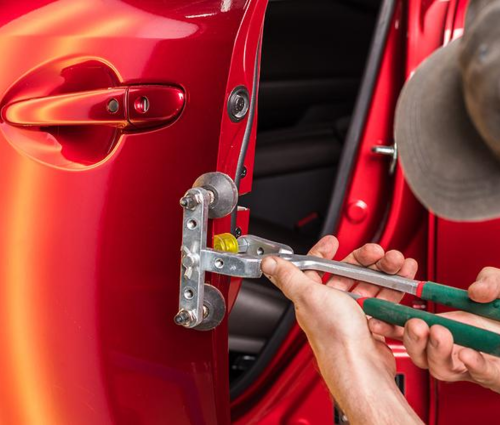
Double-wall doors, roof rails, and hatch seams hide the backside of the metal behind braces, foam, and wiring. Those layers add strength but block tools, so hail dents can’t be pushed directly. Clean repair depends on planning safe access without drilling, preserving clips and coatings while reaching the dent.
Paintless Dent Repair works best when techs can leverage factory openings, drop headliners, and use glue pulling on blind zones. Knowing when to stop matters too: sharp, stretched, or edge dents near adhesives may require hybrid plans, spot refinish, or part replacement to avoid risk.
Common double-wall and braced trouble spots
Roof rails and quarter panel tops are classic blind zones. Inner reinforcements, airbags, and wiring looms limit tool angles, and adhesives bond skins to braces.Technicians plan safe R&I for headliners and trim, then choose soft-tip rods or glue tabs.On modern EVs, battery isolation procedures and airbag harness routes add extra safety steps.
Doors often have double skins, crash beams, and sound pads. Access windows must respect vapor barriers and anti-theft clips to prevent rattles or water leaks later. Where leverage is poor, glue pulling paired with blending hammers can finish lows cleanly. Sharp dents at brace edges take more time and may need micro-pushing to avoid highs.
Liftgates and roof bows can hide foam patches that resist rod tips. Heating these areas lightly can relax memory, but temperature limits protect clear coats and adhesives. Some factory holes accept grommeted access; drilling new holes is avoided. If a brace delaminates or a skin is overstretched, the plan shifts to hybrid repair or panel replacement for durability and appearance.
Safe access without drilling or damage

Where backside access is blocked, controlled glue pulling keeps the finish intact and maintains consistent panel tension. Tabs are chosen for size and shape, pulls are incremental, and release agents protect clear coats from unnecessary stress. Highs are blended with soft hammers and pads, not aggressive sanding that could thin the surface. If movement stalls, the job pauses for reassessment; forcing metal against a brace risks paint creep, cracked seam sealer, or panel distortion.
Material matters on braced panels. High-strength steel rebounds slowly and shows micro highs if rushed. Aluminum moves but can work-harden, so pushes are smaller with more relief on crowns. Adhesives near braces react to heat; temperature guns and shields keep limits in check. Foam blocks can be trimmed only when the manufacturer allows re-bonding; otherwise they’re marked as no-cut zones in the plan.
Edge dents along hem flanges or style lines deserve upgrades in the estimate because time increases near stiffeners. A blendable finish isn’t the goal; a clean surface with factory texture is. That’s why techs choose soft tips, tighter light, and small pushes to avoid cracking seam sealer. When a brace traps energy, relief pushes away from the dent center, opens the metal first, then micro work restores the final reflection. This method keeps paint safe and reduces post-repair polishing or refinish needs.
When PDR stops and hybrids start
PDR isn’t a cure-all on double-wall sections. If the dent center is sharp with visible stretch, the metal may not return cleanly. Likewise, cracked paint or bent inner braces point to conventional steps. A good estimate separates PDR panels from those needing limited filler, spot refinish, or replacement so approvals are clear and cycle time stays predictable.
Glue pull repairs hit a limit near brace edges where tension concentrates. If repeated pulls stall or create micro highs, the tech moves to relief work or recommends conventional methods. Trying to force movement risks lifted sealer lines and finish creeping along seams. When in doubt, the safer path protects the factory e-coat and your warranty.
Some panels switch methods mid-repair. A roof may start with PDR and end with a small conventional line where a brace trapped metal. That’s not a failure; it’s precision. The goal is a straight panel and durable finish without shortcuts. Clear notes in the file explain why the method changed and help the adjuster approve quickly.
Tooling and R&I that protect finishes
Soft-tip rods, whale tails, and leverage blocks spread force so pushes stay clean. Window wedges, door jacks, and panel protectors prevent marring during access. LED line boards control reflections for accuracy, especially on metallic and pearl finishes that reveal highs quickly.
During headliner drops, clips and side curtain airbag brackets are mapped and bagged. Vapor barriers are re-sealed with compatible adhesive, not household tape. Any grommet pulled for access is replaced, and corrosion-inhibiting sprays are applied in cavities to protect against future moisture.
At reassembly, gaps are checked under light, door seals are seated, and a short road test verifies no wind noise. Final polishing is minimal; the goal is factory texture with no sanding haze or dye-back.
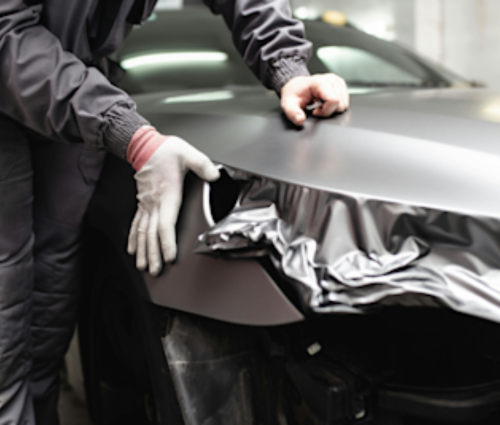
Because double-wall areas hide braces, every push decision matters. A careful blueprint, safe access, and controlled tooling keep the finish intact while restoring shape. If a spot resists cleanly, the plan changes, no forcing metal against structure. That balanced approach keeps approvals smooth, protects corrosion coatings, and delivers a result that looks right under light from every angle. It also prevents rattles, water leaks, and sensor issues that appear when shortcuts are taken during access and reassembly.
Estimating time on braced sections
Accurate estimates begin with counts by size per panel and location notes: near edges, body lines, or braces. Those positions change difficulty and minutes per dent. Rails, roof bows, and double-skins often price higher because access is slower and tooling angles are restricted. The estimate should also list R&I items, headliner drops, trim removal, vapor barrier work, so time and materials are visible to adjusters up front. Photos labeled by panel confirm the count.
Cycle time ties to sequence. Many shops start with a roof and hood, move to rails, then doors and quarters. Braced areas sit earlier in the plan so glue pull tabs and lights are already staged. If glass or calibration is required, book those windows alongside PDR. Predictable sequencing reduces rental days and avoids cars idling while one specialty waits for a free bay.
Supplements are normal on hidden braces, but the estimate should call out likely ads so approval is quick. Examples include extra time near hem flanges, corrosion protection sprays, and new clips or grommets. When movement stalls, a conventional line replaces the remaining PDR minutes with a clear reason code. That transparency prevents back-and-forth and keeps delivery dates accurate for everyone involved. Label photos by panel and view.
EVs and sensitive components during PDR
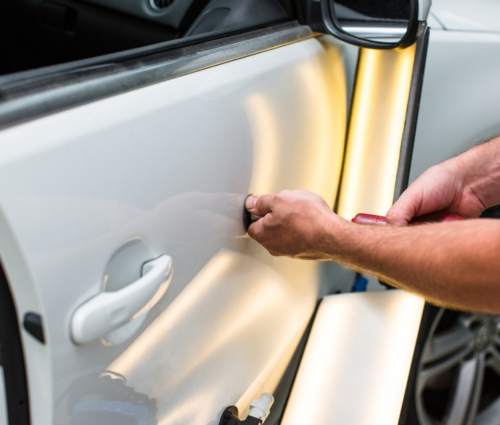
Battery packs change tool placement and jacking points. Some manufacturers require isolation procedures before headliner work near high-voltage wiring. Airbag modules and antennas live in roof areas too, so mapping brackets and harness routes is part of the blueprint. Static-safe covers, non-marring tools, and minimal heat are standard to protect electronics while dents are moved carefully.
Calibration planning matters after glass or camera work. If moldings or roof accessories come off for access, schedule ADAS calibration with the vendor the same day the car leaves PDR.Keep 12-volt voltage stable with memory savers where the maker allows. Final QC includes light checks, gap verification, and a brief road test to confirm no warnings or wind noise. Document calibrations on the invoice with scan reports.
Schedule a braced-panel hail assessment
Want a plan that protects factory paint on rails, doors, and roof bows? Book a blueprint under lights. We’ll map dents by size per panel, confirm safe access, and outline PDR versus hybrid options. If an area fights cleanly, we’ll explain why and suggest the next best step, without drilling or shortcuts that cause rattles or leaks later. You’ll see photos, counts, and timelines that make insurance approvals simple and fast.
Prefer to start remotely? Send panel photos and claim details, and we’ll pre-screen, then confirm in person. VIP Hail Service coordinates R&I, glass, and calibration vendors so access is safe and cycle time stays tight. You’ll get a written estimate, light-board images, and a clear schedule. Ask about mobile service for busy weeks and overnight drop-offs to keep your routine steady. Our team communicates daily so you always know the next steps.

VIP Hail Service | Plano, TX
Professional Hail Repair
Stay Up-to-date With Our Content
Subscribe to learn more about our mission!