
Glue Tab Selection for Precise Hail PDR Pulls


Glue Pulling
Why tab choice changes hail repair results
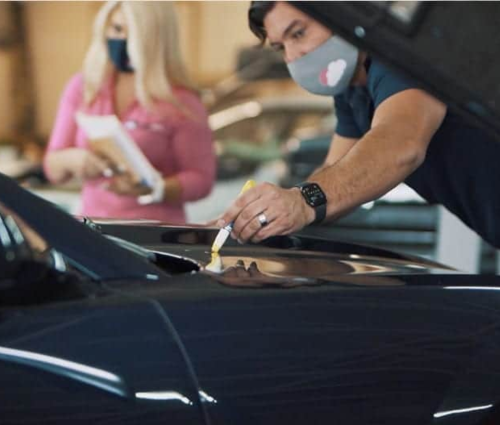
Glue tabs are not one size fits all. The tab’s footprint, material, and stem stiffness determine how force transfers into the dent. Choose too large and the pull drags surrounding metal; too small and the bond shears early. The right match lifts cleanly and limits texture.
For hail, round and oval tabs handle most lows, while crease tabs target sharp paths along body lines. Material matters too: stiff plastics transmit power for deep centers; flexible blends forgive brittle paint. Pair tabs with proper temperature, clean surfaces, and controlled release to prevent highs and paint lift issues.
Footprints, shapes, and panel readings
Footprint size controls load distribution. Big tabs lift wide shallow lows on open hoods, but they can distort if crowns remain tight. Small tabs focus power on deep centers or tight areas near braces. Start slightly smaller than the dent’s visible ring, test bond strength, then scale up or down to balance movement and control.
Shape matters. Round tabs are versatile on general hail, oval tabs align with elongated lows, and crease tabs follow narrow paths along style lines. Edge tabs help when access is limited and pulling near seams could mark paint. Match the tab’s axis with the dent’s long direction so reflection lines rise evenly without twisting.
Panel readings tie everything together. If the crown is active, release it before heavy pulls or the tab will skid and print highs. Watch heat: warm enough for adhesive flow, cool enough for crisp release. Confirm the bond with a light test tug, then commit to progressive lifts, checking the board after each cycle to keep texture under control of the surface.
Adhesives, prep, and temperature windows
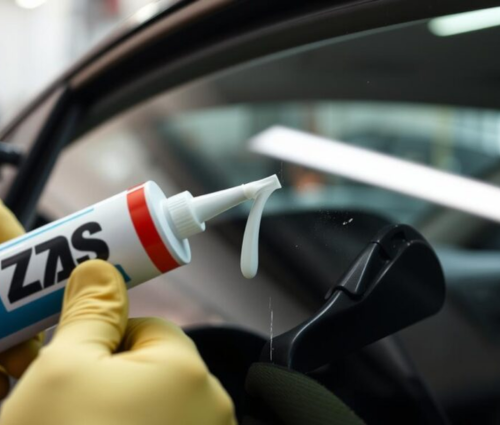
Great pulls start with surface prep. Degrease the panel with compatible alcohol and wipe the tab face clean; residue kills bond strength. Warm the panel and tab to a stable, moderate range. Too cold and glue shatters; too hot and it smears and strings. Center the tab, apply even pressure, and let the adhesive wet out before loading force.
Adhesive choice follows paint and climate. Hard, baked clears accept stronger bonds and brisk pulls; softer or freshly refinished areas need milder glues and shorter cycles. Test on a small tab first. If bonds release early, clean again, warm slightly, or step up glue strength. If peaks form, shorten cure time, reduce tab size, or switch to a lifter with finer control and smoother releases.
Tool choice changes how force arrives. A mini lifter delivers straight, controlled lifts that suit most hail lows. Slide hammers add momentum for deep centers on thicker steel but risk peaks on thin aluminum. K bar or bridge systems spread load for large shallow lows. Whatever you choose, pretend lightly, read the board, then add incremental force. Stop early if shoulders rise faster than the center.
Release is as important as lift. After each pull, relax pressure slowly and watch reflection lines settle. If a peak flashes, knock it down immediately with soft, precise taps and reassess tension at the crown. Repeat short cycles rather than one hard yank. Clean glue residue promptly to protect the clear coat. As lows tighten, step to smaller tabs and gentler lifts to maintain a smooth read. Finish each cycle under cross light to confirm even texture before continuing.
Stems, flexibility, and breakaway behavior
Stem stiffness influences feedback and alignment. Rigid stems transmit force directly but punish misalignment with sudden peaks. Flexible stems forgive slight angle error and help tabs release straight. Match stiffness to location: tight quarters near braces benefit from forgiving stems; open fields on thicker steel accept stiffer stems that drive energy deeper into the low.
Tab materials vary from hard plastics that hold shape to softer blends that flex. Hard faces excel on deep centers and baked clears; softer faces reduce imprinting on delicate paint or thin aluminum. Maintain clean, flat faces; warped or chipped tabs print highs. Rotate several tabs through the same area to prevent heat buildup and to spread load consistently.
Breakaway should be predictable. If tabs twist at release, reduce glue quantity, shorten cure time, or step down size. If they shear too soon, increase panel warmth, clean again, or choose a stronger formula. Your goal is repeatable lifts that stay within paint limits and end with clean, straight releases every time without damaging clear coatings.
Working creases and body line dents
Crease dents anchor tension along a path, so tab choice narrows. Use slim crease tabs to follow the line, paired with very modest lift. Blend shoulders after every short pull. Large tabs across a crease can widen the damage and print highs.
On body lines, start smaller than the visible low and lift in tiny steps. Align the tab’s axis with the line and keep force symmetrical. If the ridge flattens, stop and rework crowns before the next pull. Patience preserves shape and reflection quality.
Where access is poor, combine small tabs with a bridge or K bar to steady pulls. Short cycles with frequent reads keep the line crisp and prevent washout later.
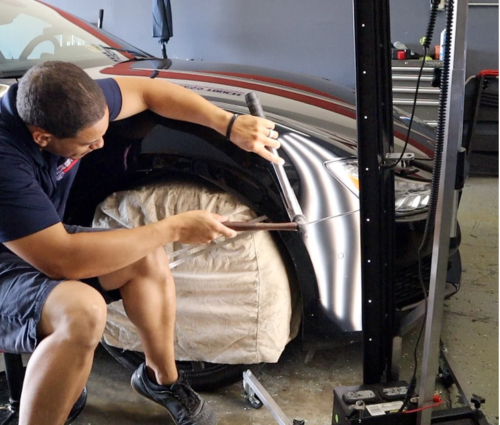
Troubleshooting bond failures is methodical. If tabs pop early, inspect contamination, apply fresh alcohol, and warm the surface uniformly. If glue stays on the panel, reduce heat or change formula; if it stays on the tab, clean and scuff the face lightly. When highs appear, shorten cycles and blend shoulders sooner. Keep a small log of tab, glue, and temperature combinations so successful recipes are easy to repeat on future hail repair jobs too.
Steel versus aluminum pull strategy
Steel panels accept slightly taller strokes and firmer pulls, but crowns still control the outcome. Start with moderate heat and broad, stable tabs for shallow lows, then scale down as the metal tightens. On deeper centers, alternate slide hammer and lifter to balance momentum and control. Check reflection lines after every cycle and address shoulders immediately so energy does not migrate across bracing. Keep tip changes frequent to prevent highs.
Aluminum demands smaller tabs, shorter cure times, and gentler releases.Warm the panel evenly and avoid aggressive slide hammer hits that print shiny highs. Use soft faced tabs where paint is delicate and step down size as the low shrinks. Glue bonds can feel sudden on aluminum, so pre tension lightly, lift in short bursts, and cool between cycles. Finish each series with careful blending to stabilize memory and reflections.
Mixed vehicles require switching tactics mid repair. For a steel roof with an aluminum frame, plan tool angles first, then pick tabs that match each alloy’s response. Document temperature, glue, and tab size as you go so later pulls replicate success. Where braces block access, use bridge systems to maintain control. If response slows, recheck crowns, cool the panel, and restart with smaller tabs for consistent, safe hail repairs everywhere.
Quality control and finish checks
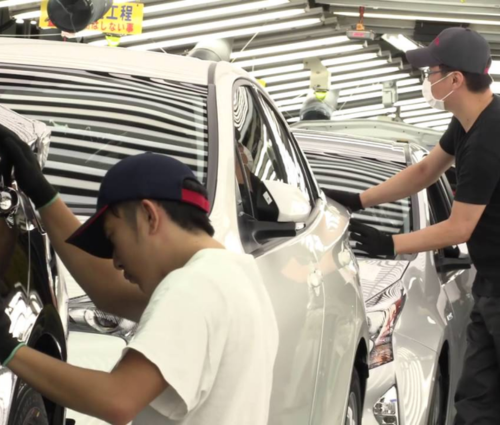
Quality control happens after every pull. Read reflection lines from multiple angles and heights, not just straight on. If a rise appears, correct immediately with soft taps before continuing. Clean adhesive thoroughly so residue does not mask texture. As the low shrinks, expect smaller, slower lifts and more blending. Consistency across the whole panel matters more than a single dramatic pull today.
Before reassembly, verify the area under harsh light and open sun. Check edges and nearby body lines for washout, then wipe the panel and inspect again at a distance. A short road test reveals buzzes or wind noise from touched trims. Photograph the finished reflections for records. This routine proves the repair reads clean in any light and stays stable over time.
When to contact VIP Hail Service
Contact VIP Hail Service when hail lows resist clean pulls, when paint is delicate, or when mixed materials complicate tool paths. Bring prior estimates and clear photos in shade. Our technicians will map crowns, select tab footprints and adhesives for your paint system, and plan lifter or slide hammer strategy. You will get a simple timeline and checkpoints so approvals, rentals, and delivery stay predictable and stress low for you.
During intake, we stage the car indoors, protect interiors, and stabilize temperature for repeatable glue performance. After each cycle, we read reflections, adjust tab size, and document settings that work. If a method change is needed, we explain why and confirm any schedule shift. Expect a factory level read under sunlight, no peaks, and quiet trims on the road test before keys return with updates at every planned checkpoint too.

VIP Hail Service | Plano, TX
Professional Hail Repair
Stay Up-to-date With Our Content
Subscribe to learn more about our mission!