
Plastic Bumpers and Trim When PDR Is Limited


Repair Decisions
Why PDR Fails On Plastic Parts
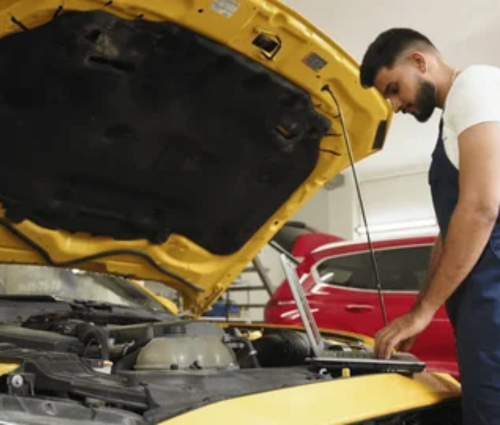
Paintless dent repair moves metal back into shape by easing crowns and lifting lows. Plastic bumper covers and trim are different. They flex, lack stable metal memory, and change with temperature. Glue pulls on plastic often lift paint or stretch the skin, so corrections do not hold reliably.
Even dents that look shallow may hide stretched polymer or split tabs. Behind the cover are foam, brackets, and sensors that can deform with force. For these parts the safer path is controlled heat reshaping, plastic welding, or refinishing, not standard PDR.
What Plastic Parts Can Be Reshaped
Many bumper covers are thermoplastic blends that respond to careful heat and pressure. Shallow pushes, creases near the center, and low speed impressions can relax with staged warming. Technicians guide the shape with paddles and soft blocks while watching surface texture.If the paint is intact and the plastic is not white stressed, a repair without replacement may be viable.
Edges, grille openings, and license recesses are riskier. Sharp creases at body lines, stretched corners, or tears near mounting tabs rarely hold shape without plastic welding or new parts. Textured grain complicates finish work because sanding or heavy heat can gloss the surface, making a refinish necessary to match. Color matches can also challenge certain pigments.
Trim pieces vary widely. Rigid moldings and clips can crack when flexed, and chrome films do not tolerate heat cycles. Sensors and bezels mounted behind trim require gentle handling and may need calibration after refit. Because plastics age and harden in the sun, two similar dents can behave very differently under the same tools.
Safer Paths For Damaged Bumpers
A clear, detailed plan lists remove and install steps for lamps, sensors, and brackets, then outlines scan checks, functional tests, and reassembly. Estimators carefully document material type, and record any prior repairs or modifications. This level of detail clearly shows why bumper repair or full replacement often fits better than paintless dent repair and keeps insurance approvals aligned safely and accurately throughout the process.
Trim and garnish pieces look simple but carry unique risks. Rigid moldings can kink with gentle flexing, and chrome films over plastic can haze or delaminate if overheated. Textured black parts scuff easily, polishing may gloss the grain and force refinish. Many trims include hidden clips that clear only in one direction. Incorrect removal cracks tabs and invites wind noise later. A careful remove and install plan protects these details.
Cameras, radar, and parking sensors often live behind bumper corners and emblems. Heat near these components must be limited and scan results verified after reassembly. Aftermarket film or wraps can trap heat or leave adhesive that interferes with refinish, so they are logged and removed before repairs. When parts are aged or brittle, selective replacement can be faster and cleaner than forcing reshaping that will not hold. Technicians confirm panel gaps and test sensors during final checks.
When Replacement Beats Attempted Reshaping
Replacement is usually wiser when the bumper cover is torn through, the energy absorber is distorted, or mounting tabs are missing. These failures weaken retention and make long term fit unpredictable. If gouges cut through the coating into raw plastic across a wide area, refinish becomes unavoidable and costs rise, so new parts can be more efficient and safer to install.
Severe creases at body lines also argue for new parts. Even with heat, stretched plastic may relax overnight and sag, returning a shadow of the damage. Textured grain that has glossed or smeared under previous attempts is difficult to match, creating a constant reminder. Fresh components avoid these risks and restore appearance consistently.
Electronics matter as well. If sensor brackets are warped or emblem mounts cracked, aiming and calibration can fail even after reshaping the skin. When any support structure is compromised, replacement stabilizes the system and protects safety features. Clear documentation of damage, material type, and test results helps the insurer approve the correct path quickly.
Reading A Bumper Estimate Correctly
Start with the panel or part line for the bumper cover, then note whether the plan says repair or replace. Look for material notes, aluminum is rare here, most covers are thermoplastic blends.
Next review remove and install lines for lamps, sensors, grills, and moldings. Battery disconnects, scan checks, and calibration steps should always appear as separate, clearly listed items. Texture correction, primer application, and flexible additive use will appear under the refinish section if required for proper surface preparation and paint adhesion.
Photos should match notes by showing the crease, tear, or deformation under lighting. If a previous attempt glossed the grain, the estimate should explain how finish will be restored. When in doubt, ask for the steps in order, from disassembly to sensor tests, so you know what each charge supports.
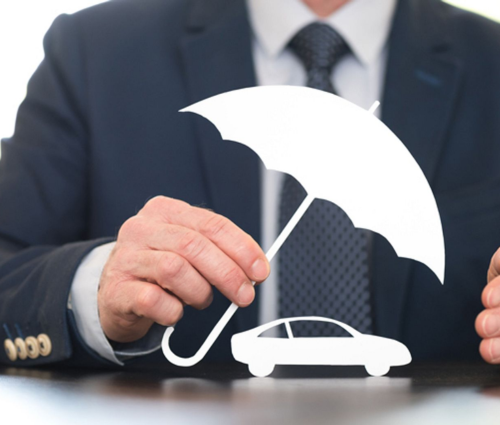
Quick fixes that promise dent popping on plastic usually hide tension rather than solve it. A short visual check cannot see stretched polymer, cracked tabs, or sensor issues. Choose a plan that lists material type, access, heat windows, and refinish steps when needed. That clarity protects paint, trim, and electronics, and it keeps the estimate aligned with what plastic parts can truly support over time. It also preserves warranty and resale confidence.
Cost Time And Quality Expectations
Costs vary with damage type and the chosen path. Heat reshaping and minor texture work can be economical when paint is intact and tabs are sound. Tears, missing clips, or stretched corners add plastic welding time or push the choice toward replacement. Refinishing adds materials, blending, and cure time. If sensors are removed, expect pre and post scans and any calibration that the manufacturer requires. When bumper texture must be restored, specialty primers and flexible clear coats are used, which add both labor and material costs compared with metal panels.
Time depends on parts availability and curing windows. Simple reshaping may turn around quickly, while replacement waits on shipping and booth scheduling. Weather influences adhesive sets and finishes timing. If color blend into nearby panels is required, the plan includes that work, raising booth time and masking. Coordinating remove and install steps with the estimator avoids idle gaps and keeps progress predictable.
Quality is measured by shape, texture, color, and function. A strong result reads straight under lighting, matches grain without gloss patches, and aligns body gaps. Sensors behave as before, wind noise is absent, and trim seats firmly. Ask how the shop documents each stage and what warranty they provide. Clear records help insurers, protect resale, and make future reviews simple if questions arise.
Aftercare For Repaired Plastic Bumpers

Treat a freshly repaired or refinished bumper gently during the first days. Avoid pressure washing, abrasive cleaners, and high heat exposure while coatings cure. If texture was restored, clean with mild soap and soft towels only. Check panel gaps and fasteners after the first commute, then confirm parking sensors and cameras behave normally. If an alert appears, schedule a scan to verify calibration and wiring.
For heat reshaped parts, avoid prolonged sun baking on the first weekend and park in shade when possible. If a film or guard will be applied, wait until the shop confirms cure windows. Keep photos and paperwork with your claim file so future inspections understand the steps taken. A quick check at the next service visit ensures clips, liners, and splash shields remain secure.
Need Guidance On Your Bumper Damage
Bring the vehicle for a light guided inspection and a straight answer on plastic versus metal repair. We will identify material type, measure the damage, and outline whether heat reshaping, plastic welding, refinishing, or replacement makes sense. You will see the steps, timing, and any scan or calibration needs before approving work.
VIP Hail Service documents every stage with photos and notes so estimates match the real tasks. If a bumper is a good candidate for repair, we will protect textures and electronics and keep factory color whenever possible. If replacement is smarter, we will explain the math and set a clear schedule. Either way you leave with options, an honest timeline, and aftercare guidance that protects results. Questions are welcome at every step, and you will have a single point of contact for updates and approvals.

VIP Hail Service | Plano, TX
Professional Hail Repair
Stay Up-to-date With Our Content
Subscribe to learn more about our mission!