
Roof Versus Body Panels: Dent Severity Basics


Hail Damage
Why Roof Dents Behave Differently
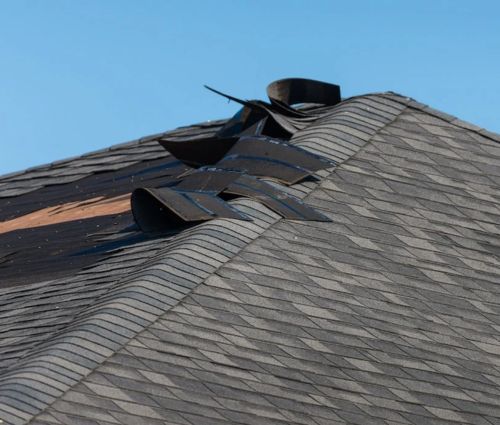
Roofs take the hail hit straight on, so the impact force travels perpendicular to the sheet metal and sinks deeper into the panel. Doors and hoods usually see glancing angles that spread energy sideways and leave shallower, wider dents.
Add in thicker roof gauges and cross braces bonded to the inner skin, and you have metal that resists movement and needs longer, more careful pushes. That extra stiffness is good for rollover safety, but it also means estimates for roof heavy hail claims often come in higher than door or fender work.
Panel Gauges And Hidden Bracing
Most roofs on modern sedans and crossovers use slightly thicker steel than outer door skins, often paired with high strength reinforcements glued to the underside. Those braces stop oil can flex but lock dents in place, making each push slower.
Door and quarter panels usually give technicians broad backside access through factory holes, letting rods angle directly under the dent center. Roofs rarely allow that. Headliners, airbags, spot welded bows, and panoramic glass create a maze that limits leverage and forces glue pulling for many strikes.
Even when rod paths exist, the extra gauge means technicians must deliver more micro pushes to move metal without spiking highs. Expect longer setup time as trim comes down, wiring is secured, and protective blankets are placed to shield airbags and glass from tool pressure. These steps keep the interior safe but add hours to the estimate, which is why roof dense cars often carry higher line counts and labor tiers on insurance sheets. Panels with sunroofs complicate removal and raise glass handling time.
Vertical Versus Angled Impact Physics
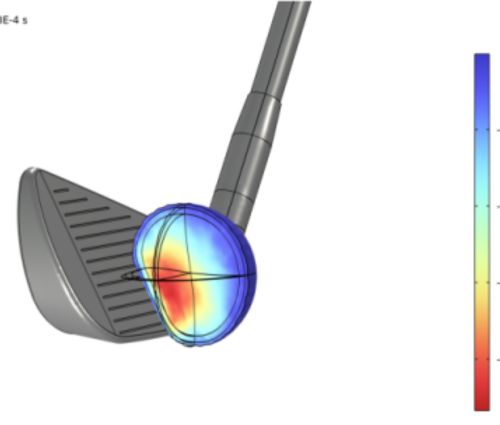
Vertical hits also compress metal directly against glued braces, significantly raising tension around each crater. Technicians must break that tension slowly using precise tap downs and controlled heat cycles before pushing, or else highs appear and the panel ripples. Angled strikes rarely lock against structure in the same way, allowing tools to glide more efficiently and cutting overall repair cycle time noticeably.
Accessing roof dents starts with a careful headliner drop, removing grab handles, pillar trim, and airbag covers while disconnecting the battery to avoid fault codes. Technicians then snake slim, high strength rods through factory holes near roof bows, using line boards to read the metal and guide micro pushes.
When braces block the path, glue pulling takes over, with temperature controlled tabs and calibrated lifters that raise metal a fraction at a time. After each lift, techs knock down crowns to relax tension and repeat until the reflection is straight. Because many roofs include antennas, side curtain airbags, and panoramic glass edges, set up and tear down dominate the clock, and owners should budget additional labor compared with similar dent counts on flat doors. The tradeoff is a cleaner result with no repaint lines, preserved OEM warranties, and shorter drying times because no solvent ever touches the panel.
Estimating Timelines And Costs Honestly
Roof heavy jobs rise on estimates because access, brace removal, and reassembly slow the process even when dent counts match body panels. Expect more non productive time listed as remove and install on your sheet, a category insurers accept when headliners, airbags, and glass trims must come off.
Cycle time also stretches. While a door cluster might clear in a day, a roof with multiple braces can require two to three, especially if glue pulling replaces rod work. Scheduling often depends on bay height and availability of glass safe covers, so ask early and plan transport accordingly.
Costs vary by make and roof design, but per dent pricing usually steps up a tier once panels exceed a threshold size or require headliner removal. Transparent shops explain those line items and note when brace glue releases or antenna swaps add material fees. Ask for a panel by panel map and realistic start and finish dates rather than optimistic same day promises. It keeps expectations clear and reduces claim friction later.
Special Roof Access Methods Explained
VIP technicians start with a full interior protection setup, bagging seats and taping trim edges to prevent scuffs. They photograph brace locations and headliner clips to guarantee correct reassembly, then disconnect the battery to avoid airbag warnings.
Slim, high modulus rods pair with interchangeable tips sized to dent diameter. For blocked sections, temperature controlled glue tabs attach to clean paint, and a lifter raises metal in fractions of a millimeter with each pull.
Finish work uses soft tap downs to relax crowns, followed by panel cooling to lock shape. A final light scan confirms reflections run true, and a torque checklist verifies every reinstalled bolt meets spec before the headliner goes back up for safety.
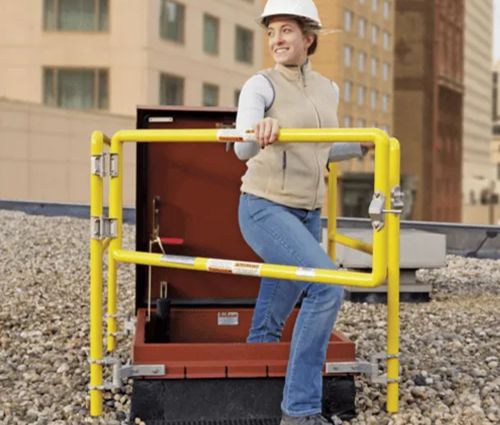
Roofs with bonded glass demand extra caution because heat and leverage can transmit through the adhesive bead and stress the pane. Technicians stage protective shields along the perimeter, monitor panel temperature with infrared thermometers, and keep pulls shallow until tension drops. Those steps add minutes but prevent cracked glass and seal failures, which cost far more than careful PDR time. Owners should expect that safety margin to appear on the estimate under remove install and protective materials.
Setting Realistic Expectations After Storms
During peak hail season, roof dominant jobs stack up because every car in a neighborhood took the same vertical hits. That concentrates labor on the slowest area of the vehicle, so even shops with robust teams can see calendars push out. Get photos in early, secure your slot, and ask how many roofs are ahead of yours to gauge realistic delivery.
Cost wise, anticipate higher remove and install hours, extra glue tab consumables, and potential glass handling fees. Your estimator may also quote contingency time to deal with hidden braces or seam sealer blobs discovered only after the liner is loosened.
Communication is the best tool to avoid frustration. Request a panel map, dent counts by size tier, and a written plan showing which areas get rod work and which will be glue pulled. Ask for start and finish dates, not just business days, and have the shop flag any parts or glass that could extend the timeline. Finally, insist on photo documentation during disassembly and reassembly so you know where the hours went and so insurers see clear proof of necessary access. That transparency keeps supplements small, approvals fast, and your vehicle back on the road without surprise line items at delivery.
Materials And Design Change Outcomes

Aluminum roofs dent differently than mild steel because the alloy work hardens and resists smooth blending once stretched. Ultra high strength steels in pillars and rails also constrain movement, so crown control becomes critical to avoid high spots. Vehicles with panoramic glass shift roof mass outward, leaving thin metal sections between the openings that crease faster and require gentler, more frequent pushes.
Older body on frame trucks often have simpler, thicker roofs that move predictably under rods, but their length adds walking time and increases the number of braces to cross. EVs introduce additional caution because high voltage harnesses may run near curtain airbags, forcing more disassembly and extra insulation before tools touch metal. Expect that to show up as documented safety time on your estimate.
Takeaways For Roof Heavy Hail
Roof dents differ because of thicker gauges, glued braces, and vertical impacts that push metal deeper and lock it against structure. That combination demands slower access, more glue pulling, and longer remove and install hours, so estimates and timelines climb compared with doors or hoods. Knowing the why behind the numbers helps you read your sheet confidently and plan transport, rentals, and claim approvals without frustration.
Ask for a panel map, dent counts by size, and a clear note on rod versus glue areas so you understand the workflow. Confirm headliner, airbag, and glass handling steps in writing, and request progress photos to document labor that is invisible once trim is back in place. With expectations set, roof heavy repairs finish smoothly, protect factory paint, and return your car without surprise supplements.

VIP Hail Service | Plano, TX
Professional Hail Repair
Stay Up-to-date With Our Content
Subscribe to learn more about our mission!