
ADAS Technology Reshapes Hail Repair Methods and Assures Post-Repair Safety


ADAS Impact
Why Sensors Change Hail Repair Steps
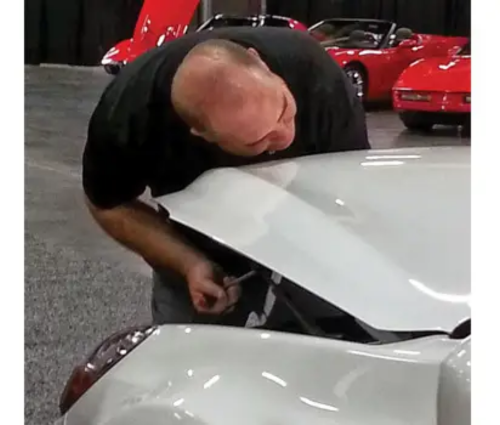
Advanced driver assistance systems rely on radar, cameras, and ultrasonic sensors embedded behind bumpers, mirrors, and windshields. When hail dents these panels, any push or pull must respect the sensor alignment tolerance of ±1 mm. Incorrect movement risks false alerts and brake assist malfunctions on the next drive.
Technicians must map sensor locations before starting paintless dent repair. Nearly 80 % of new vehicles will include at least one frontline ADAS feature, so detailed planning is now standard. Using the wrong tool angle can shift the radar housings and double recalibration time.
Standard Repair Workflow for Modern Hail-Damaged ADAS-Equipped Vehicles
First, the shop performs a digital scan that records current diagnostic trouble codes and sensor status.This baseline report confirms whether pre-existing faults exist and satisfies insurer documentation requirements. Door dings or prior bumper impacts often show up here, allowing technicians to isolate hail-only damage and avoid warranty disputes later during the final calibration visit.
After panels are documented, trim pieces are removed to locate sensor mounting brackets. Technicians photograph each bracket footprint and tag wiring looms to protect pin orientation. Only low-profile PDR rods with rubberized tips are approved on radar panels because minor metal spikes can deflect millimeter wave beams by 0.5°. Surface temperature is kept at 95°F.
Once dents are reduced, the diagnostic tool reruns a quick calibration routine. If sensors remain within factory thresholds, the vehicle moves straight to final target calibration; if not, technicians revisit the panel for micro adjustments. This iterative check shaves an average of 30 minutes off post-repair alignment because out-of-spec conditions are fixed before the aiming rig is set up.
Calibration Required Before Performing Any Dent Removal
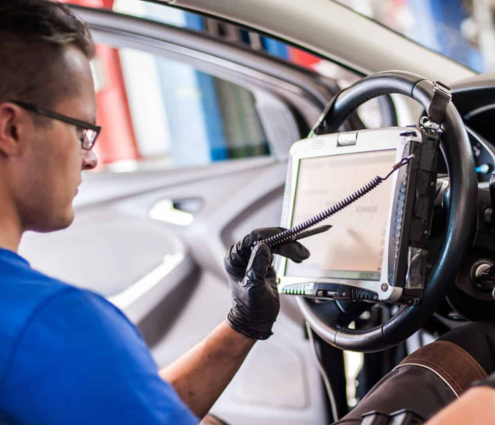
Modern camera modules behind the windshield require static calibration using a printed target board placed exactly 1500 mm from the front axle. If a hail impact distorts the A-pillar, that distance changes, breaking lane keep assist. Therefore technicians measure pillar spread with digital calipers before freeing any dent to establish geometry stays true.
Dynamic calibration follows road tests at 40 mph while the scan tool monitors yaw rate and steering angle sensors. If rain or traffic prevents hitting the target mileage, technicians schedule an indoor dynamic simulator session to finish alignment without delaying delivery. Recording the final pass in the repair file proves compliance with insurance and manufacturer rules and prevents future liability. The simulator feeds radar echoes through a controlled chamber, mimicking real traffic.
Windshield replacement often hides a second risk: Rain sensor gel pads can shift when the glass flexes under suction cups. A 2 mm offset causes auto wiper misreads that confuse forward collision alerts. During hail repair, the glass is undisturbed, yet technicians still verify sensor seating with a borescope before handing back the keys to avoid callbacks. Any gel bubbles are heat-smoothed for 3 seconds with a micro torch at 90 °C.
Rear bumper dent work poses different challenges because blind spot radars fire sideways rather than forward. Removing the bumper cover breaks the sensor mount torque specification, so mounting bolts are replaced and tightened to 5 N·m exactly. A post-repair scan confirms no C1109 loss of signal code, and a simple walking target test secures radar tracks movement correctly at 3 m distance. Technicians log the test results with a time stamp and odometer reading, fully meeting SAE J1306 record-keeping standards.
Avoiding Hidden Costs From Damage to Concealed Sensors
Insurance adjusters often undervalue hail repairs on ADAS-equipped cars because they overlook calibration labor.A bumper that looks simple may house two 77 GHz radars and a polyurethane absorber that must be replaced after any deformation, adding 2 hours of shop time and USD 450 parts cost. Educating the adjuster during disassembly avoids supplements and speeds approval.
Some vehicles record misalignment events in nonvolatile memory, which insurers may interpret as pre-existing damage if not cleared before inspection. VIP Hail Service connects the scan tool, clears transient codes, and prints the report immediately, proving the hailstorm triggered no fault and keeping claim negotiations simple. Adjusters appreciate clear data and often authorize PDR within the same visit.
After repairs, the final invoice lists separate line items for calibration equipment time, target boards, and road test mileage. Breaking out costs prevents bundling errors that can delay payment by 14 days. The shop retains sensor serial numbers and torque sheet signatures for 5 years, meeting OEM audit rules and preserving vehicle safety records for future resale.
Reading OEM Calibration Bulletins Carefully Before Every Repair
Every manufacturer issues model year bulletins detailing calibration targets, drive cycles, and sensor torque specs. Technicians review the PDF before quoting to avoid surprise hardware updates. GM bulletins specify radar aiming height tolerance of ±2 mm, stricter than other brands.
For example Subaru requires dual axis steering angle resets after any roof panel repair, even if the steering rack is untouched. Missing this step triggers the EyeSight warning lamp and a second trip to the shop. Technicians log that reset on the final invoice for traceability.
Technicians store updated bulletins in a shared database dated and tagged by VIN pattern, confirming quick retrieval next season. This practice cuts research time in half and shortens calibrations by an average 18 minutes per vehicle.
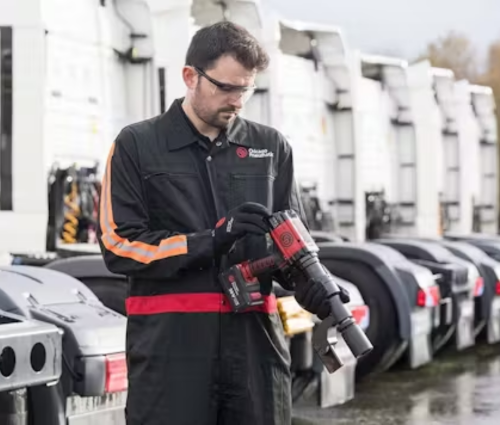
Once bulletins are verified, the shop creates a checklist that pairs each dent location with its nearby sensor. This mapping prevents accidental brace cuts when technicians open quarter panels and speeds the final walk through with customers. A laminated copy rides in the vehicle during repairs, reminding every team member to follow the approved method and protecting the insurance warranty. It also serves as documentation if the car is later sold at auction.
When Full Panel Replacement Becomes Necessary
Hail strikes that stretch aluminum hoods beyond their yield point cannot be corrected with PDR or glue pulling. Replacing the hood triggers radar recalibration on vehicles where front sensors mount to the inner frame. The process begins by disconnecting the 12 V battery to avoid fault codes, then transferring the sensor bracket with a digital inclinometer,establishing plus or minus 0.2° vertical angle. Failing this step will break adaptive cruise.
Rear quarter panels sometimes hide tire pressure monitoring antennas glued to the metal skin. Dents larger than a golf ball can tear the adhesive pad, requiring panel replacement to maintain proper radio frequency coupling. Technicians remove the damaged panel using factory seam sealer release temperature of 400°F to avoid frame warpage. After replacement, antenna signal strength is verified with a spectrum analyzer reading −55 dBm or stronger at 10 cm consistently.
Windshield pillars with inner boron reinforcement present a unique challenge because heat from PDR lamps can alter the hardness of the tempered insert. If cracks develop, replacement must follow OEM structural welding parameters using 1.5 kHz pulse current. Technicians install the new pillar with a spot weld pitch of 30 mm, then execute a road impact vibration test to confirm no ringing resonance enters the camera housings. This check prevents ghost lane departure.
Key Post-Repair System Verification Steps Vehicle Safety
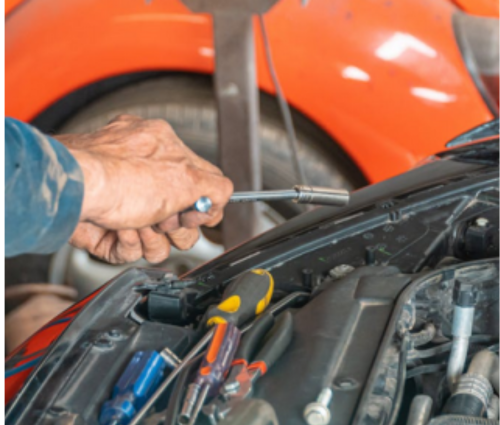
After calibration, the scan tool runs a system health report confirming zero pending or stored ADAS codes. Technicians print and attach the report to the invoice for traceability. They also photograph target board alignment, capturing horn distance and yaw angle readings for file storage. Any deviation resets the verification cycle until numbers match OEM limits.
Finally, the vehicle undergoes a five-mile road test covering speeds from 25 mph to 65 mph to trigger lane, radar, and camera events. Drivers verify adaptive cruise holds 2 s following distance, and automatic emergency braking reacts within 0.3 s at 20 mph. The inspection ends when the dashboard shows no warning lights and the steering assist torque matches baseline values recorded before repair. A second technician signs off the checklist for dual verification.
Choose ADAS Ready Hail Repair Experts
Selecting the right shop protects both your investment and your safety systems. Look for technicians certified in PDR plus ADAS calibration and ask how many radar-equipped vehicles they repair each month. Numbers above 50 suggest proven workflow and equipment. Ask to see their latest dynamic calibration results log and compare it with your vehicle make. Shops using Class 1 laser alignment can cut aiming time by 30 % and improve accuracy.
A modern facility should house a level calibration bay, OEM target boards, infrared lamps, and storage racks that prevent parts mixing. Request a pre-repair scan, a post-repair scan, and printed torque sheets. Shops that refuse these basics may lack the discipline required for ADAS repairs. Finally, verify a lifetime warranty covers both dent repair workmanship and calibration accuracy, so you stay protected after the next storm.

VIP Hail Service | Plano, TX
Professional Hail Repair
Stay Up-to-date With Our Content
Subscribe to learn more about our mission!