
Why PDR Works Best on Newer Model Year Vehicles


Vehicle Suitability
Modern cars support better dent access
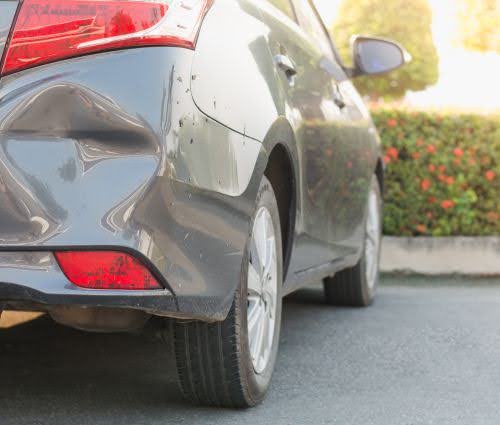
Newer vehicles, especially models built after 2015, are more compatible with Paintless Dent Repair (PDR) techniques than older cars. These models are designed with lighter, more flexible panels and offer better access for repair tools. Engineers now design body panels not just for aerodynamics, but also with accessibility in mind, making it easier for certified PDR technicians to reach dents from behind the panel.
This added accessibility shortens repair times and reduces the need to remove interior trim or components, making the process more efficient and less invasive. When compared to traditional repairs, PDR on newer vehicles is often faster, cleaner, and keeps the vehicle’s original look intact.
Flexible body panels make PDR effective
Many modern vehicles, especially those manufactured after 2015, use advanced materials like aluminum panels and high-strength steel for their exterior panels. These materials are significantly lighter than older, traditional steel and are much more responsive to the controlled pressure techniques used in paintless dent repair (PDR). With the right tools, skilled technicians can carefully reshape dents from behind the panel without causing damage to the paint surface or requiring panel replacement.
Modern panels are also designed with greater flexibility, allowing them to return to their original shape more easily. This flexibility helps reduce the risk of cracking, chipping, or distorting the paint during the repair process, problems that were more common with older, rigid steel bodywork.
These newer materials, combined with precision PDR tools, make modern vehicles ideal candidates for non-invasive dent removal.Whether the damage comes from hail, minor parking lot accidents, or small impacts, cars with aluminum or flexible steel panels—including luxury and exotic models—often respond better to PDR. The result is a smooth, damage-free repair that retains the vehicle’s original paint, structural integrity, and resale value.
Fresh factory paint holds up better
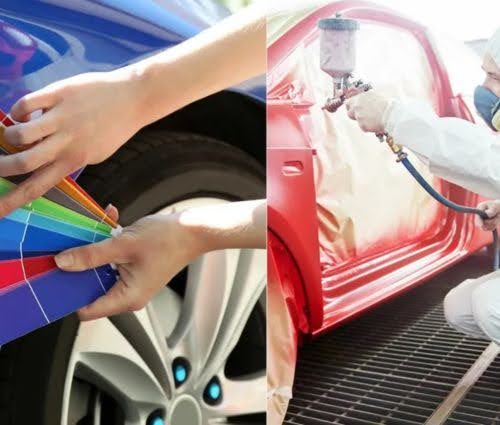
Newer vehicles come equipped with factory paint systems that are both durable and flexible, ideal for paintless dent repair (PDR). Unlike older finishes that were more brittle and prone to cracking, today’s paint formulas are made to handle minor stress without flaking or peeling. This flexibility is especially helpful during PDR, where pressure is applied from behind the panel to reshape the metal.
The paint can stretch slightly without breaking, which allows for clean repairs that don’t require repainting. As a result, the vehicle’s original color, gloss, and texture are preserved, eliminating the risk of mismatched finishes. This makes PDR on newer vehicles more reliable and visually seamless. The repaired area blends perfectly with the rest of the vehicle, maintaining a consistent and original appearance.
The combination of modern factory paint and expert paintless dent repair (PDR) is a strong match for preserving a vehicle’s original condition. Newer cars have paint systems designed to withstand the controlled pressure used in PDR, allowing technicians to remove dents without cracking or peeling the finish. Because there’s no need for sanding, filler, or repainting, the car retains its factory paint, something buyers and appraisers look for when assessing a vehicle’s history and value.
Skilled PDR technicians work carefully to reshape the metal from behind the panel, leaving the outer surface untouched and maintaining a uniform appearance. Avoiding traditional bodywork also means avoiding extra costs and longer repair times. There’s no need for color matching, blending, or waiting for paint to cure. This makes PDR not only more efficient but also less expensive in the long run.
Paintless dent repair protects resale value
One of the biggest benefits of using paintless dent repair (PDR) on newer vehicles is its ability to protect resale value. When appraisers, buyers, or dealers inspect a car, one of the first things they check is the paint. Any signs of repainting, filler, or bodywork can raise questions about the vehicle’s condition and accident history.
PDR avoids all of that. Since it doesn’t require sanding, grinding, or repainting, the vehicle’s original factory paint remains untouched. This signals to potential buyers that the car hasn’t undergone major bodywork, which can increase confidence and make it easier to sell or trade in.
Beyond appearance, preserving the factory finish helps prevent depreciation tied to mismatched paint or visible repair seams. For owners thinking long-term, this makes PDR an excellent option after minor dents or hail damage. It keeps the car looking factory-fresh and guarantees a cleaner vehicle history report. With fewer red flags for buyers, owners are more likely to receive stronger offers during resale or trade-in negotiations.
Insurance adjusters prefer PDR on newer cars
Insurance companies often look for the most cost-effective and time-efficient repair methods, especially when evaluating newer vehicles. PDR typically meets those standards by offering quick turnaround and no need for replacement panels or refinishing.
Adjusters are more likely to approve paintless dent repair on cars under ten years old because the paint is more likely to withstand the process without issue. Newer models also tend to have cleaner Carfax histories, which makes it easier to process claims using PDR methods.
Since the process preserves the original paint, it reduces the risk of future issues like mismatched colors or early corrosion. For policyholders, this often results in faster claim approvals and shorter repair times, both of which are welcome outcomes after hail damage.

A properly performed paintless dent repair (PDR) on a newer vehicle satisfies both the car owner and the insurance provider. It offers a fast, affordable solution without compromising the original paint. Insurance companies value the lower repair costs, while owners appreciate the preservation of factory finish and resale value. When done right, PDR delivers reliable results that meet quality standards without the need for more invasive and expensive repairs.
Modern designs help with tool access
Modern vehicle design isn’t just about sleek looks and aerodynamic lines—it’s also about practicality when it comes to service and repair. Today’s automakers take maintenance and repair accessibility into account, particularly for common needs like dent removal. Many newer models come with strategically placed access points behind body panels, such as inside doors, hoods, and fenders, which help technicians access hard-to-reach dents on modern vehicles. These design updates allow paintless dent repair (PDR) technicians to reach dents more easily without needing to remove panels or disassemble interior components.
This improvement significantly reduces labor time and the chances of causing additional damage during the repair process. Technicians can use specialized tools to reach and reshape the dented areas from behind, restoring the panel without affecting paint or surrounding materials.
By removing common obstacles, modern designs help technicians deliver quicker, more accurate repairs. As a result, vehicles built after 2015 tend to be ideal candidates for PDR. Not only does this mean faster turnaround times for vehicle owners, but it also improves the quality of the repair. These design efficiencies, combined with flexible panels and advanced paint systems, make modern vehicles particularly well suited for PDR and allow for consistent, high-quality results with minimal disruption.
Why newer cars are ideal for PDR
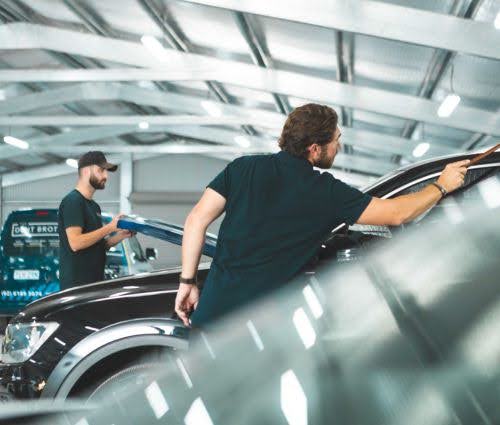
Vehicles built after 2015 feature updated materials, thinner and more flexible metal panels, and advanced paint formulations, all of which contribute to the success of paintless dent repair. These cars are built with accessibility in mind, giving technicians the room and reach they need to perform clean, accurate work. Newer models also don’t have the heavy steel construction found in older vehicles, which makes them easier to work with.
Combined with modern factory paint, which is more resistant to cracking and chipping, PDR becomes the top option for minor hail damage and door dings. Because PDR doesn’t involve sanding or repainting, it leaves no visible trace of the damage. This helps protect the value of newer cars and avoids the negative impression that comes with body filler or repaint lines.
Choose PDR for newer vehicle dent repair
Paintless dent repair (PDR) offers significant advantages for owners of newer vehicles. It’s a fast, efficient, and non-invasive way to fix minor hail damage, dings, and small dents without compromising your car’s original factory finish. Newer cars are designed with PDR in mind; they often feature thinner, more flexible panels, modern paint that resists cracking, and built-in access points that allow technicians to reach damaged areas more easily.
These design elements make the process smoother, with better outcomes and shorter repair times. Since there’s no sanding, filler, or repainting involved, your vehicle retains its original look and structural integrity. For anyone looking to protect their investment and keep their car in top condition, PDR is a practical and reliable option. It not only helps maintain a clean history report but also supports higher resale value down the road, making it the preferred repair choice for modern vehicle owners..

VIP Hail Service | Plano, TX
Professional Hail Repair
Stay Up-to-date With Our Content
Subscribe to learn more about our mission!