
How to Protect Your Vehicle After It Suffers Hail Damage


Temporary Repair Measures
How to Temporarily Protect Exposed Hail Damage on Your Car
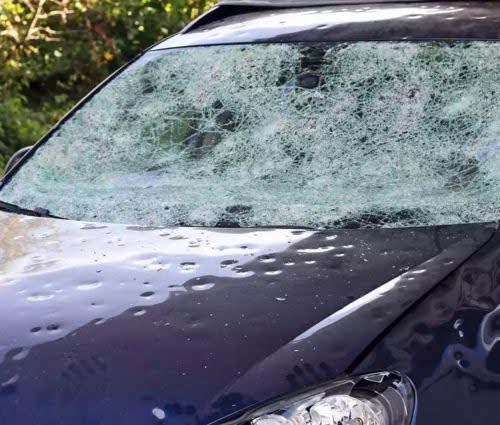
If your car was hit during a hailstorm and immediate repair isn’t possible, it’s important to take quick action to prevent additional problems. Unrepaired dents can lead to chipped paint, moisture buildup, and long-term corrosion. Moisture trapped under damaged paint can accelerate rust formation, especially on unsealed surfaces.
Using temporary weatherproofing solutions can help stop the damage from spreading.. Automotive tape, weather-resistant covers, and basic sealants from auto parts stores are useful tools to block out rain and humidity. These short-term methods won’t fix the dents, but they do provide a layer of protection while you’re waiting for paintless dent repair.
Preventing rust and paint problems early
After a hailstorm, even small chips in your car’s paint can expose the underlying metal to moisture. If left untreated, this exposure can quickly lead to rust, especially during periods of rain or high humidity. Washing your vehicle without sealing the damaged areas can also make the problem worse. That’s why taking quick, temporary action can help slow corrosion and protect your vehicle’s appearance.
Begin by gently cleaning the damaged area with a soft cloth and making sure it’s completely dry. Next, apply a clear automotive sealant tape or use a weatherproof patch to cover the exposed surface. These materials are designed to keep out moisture without damaging the existing paint. If you see cracks or deep chips, avoid parking under sprinklers or driving on salt-treated roads to reduce further risk.
By applying these basic weatherproofing steps, you’re preserving the car’s condition while you wait for an inspection. Taking action now helps prevent more costly repairs down the road and gives your paintless dent repair technician a better chance at delivering clean, successful results.
What to Do When Auto Hail Repair Is Delayed
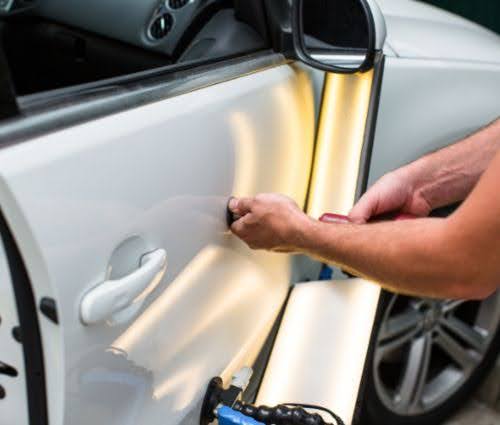
In many cases, especially after widespread storms, repair shops experience backlogs and insurance approvals can take longer than usual. This often results in delays before you can get your vehicle into a shop for hail damage repair. During this waiting period, temporary weatherproofing isn’t just a good idea—it becomes a necessary step in protecting your car’s condition.
Exposed dents and chipped paint allow moisture to seep in, which can lead to rust and corrosion under the surface. What may start as a minor cosmetic issue can quickly become a structural one if left unprotected. Using clear sealant tape, breathable covers, or patching kits helps block out rain, humidity, and debris. These small measures are an effective way to hold off further deterioration until professional repairs are made.
Even a minor-looking dent can lead to more serious issues if left unprotected. When moisture seeps into a damaged panel, it can begin to spread rust beneath the paint surface, often without any visible signs until it’s too late. What starts as a small ding may turn into bubbling paint, weakened panels, or long-term corrosion that requires more intensive repairs. Applying temporary covers or clear automotive sealant patches over the affected areas can help prevent water from penetrating the metal.
These materials are available at most auto parts stores and can be applied quickly to reduce the impact of rain, humidity, and fluctuating temperatures. This simple step can go a long way in maintaining the integrity of your vehicle while you wait for a professional repair appointment. It’s an easy way to protect your investment and reduce the risk of additional damage, even during short repair delays.
How Delaying Repairs Can Lead to More Damage
Delaying hail damage repair might seem harmless at first, but it can lead to hidden costs of ignoring hail damage over time. What starts as a few dents or chips in the paint can quickly escalate into more serious problems like surface rust, bubbling paint, and eventually structural damage to the panels. These developments don’t just affect how your vehicle looks; they can also make repairs more complicated and expensive.
Paintless dent repair (PDR) relies on intact paint and rust-free surfaces to be effective. Once rust begins to spread underneath the paint, it compromises the metal and prevents technicians from reshaping the panel properly. In many cases, this means traditional bodywork or full panel replacement becomes the only viable option, adding more time, cost, and the risk of mismatched paint.
Having your vehicle inspected promptly, even if your repair appointment is weeks away, can make a major difference. VIP Hail Service offers fast scheduling options, helping customers get ahead of long wait times and avoid further damage during storm seasons when repair demand is high.
Protecting your vehicle between estimate and repair
Once you’ve filed an insurance claim and scheduled a repair, there may still be a gap between your inspection and your appointment date. During this time, keeping your vehicle protected can make the difference between a clean PDR job and a full repaint.
Make sure you keep your car covered during storms, avoid parking under trees or anywhere additional damage may occur, and apply sealant tape to chipped paint. Driving with unrepaired hail damage can also increase wear.
Vibration and sun exposure may worsen cracked paint or loosen panels further. Try to limit vehicle use until repairs can be made. If that’s not possible, store the car indoors or in shaded areas when not in use.
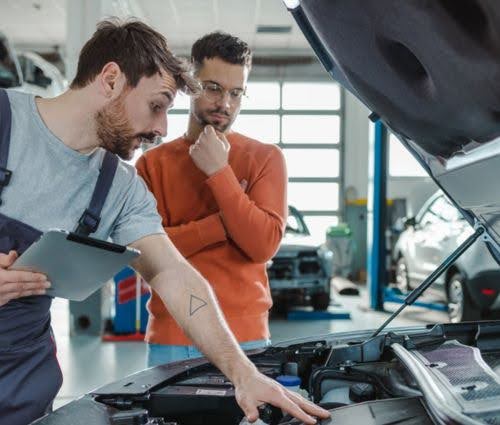
Taking small, preventive steps can make a big difference in keeping your vehicle in good shape after hail damage. Covering exposed dents, sealing chipped paint, and parking in a sheltered area may seem simple, but these efforts help protect your car from rust, paint damage, and further wear. Acting early reduces the risk of costly repairs down the line. A little caution during the waiting period can go a long way in maintaining your vehicle’s long-term value.
Why Repair Timing Can Impact Paintless Dent Repair Results
Paintless dent repair (PDR) is most effective when the vehicle’s panels and paint remain intact and free from rust. Once a car has sustained hail damage, leaving it unprotected for too long increases the risk of moisture seeping into dents and chipped areas. Over time, this exposure can compromise the surface and limit the success of PDR.
When rust begins to form beneath the paint, the metal becomes more rigid and harder to manipulate. This makes reshaping dents difficult and increases the chances of paint cracking or flaking during the repair. In such cases, traditional bodywork, such as sanding, filling, and repainting, may become necessary. These repairs are not only more expensive but also take longer and may result in mismatched paint or reduced resale value.
That’s why acting quickly matters. Even if your repair appointment is a few weeks away, getting an early inspection helps technicians evaluate the damage while conditions are still favorable. Scheduling in advance also allows you to receive care instructions on how to protect your vehicle in the meantime. VIP Hail Service offers quick assessments and mobile options to help reduce wait times and keep your vehicle in the best possible condition until the repair can be completed.
Simple tools for short-term weatherproofing
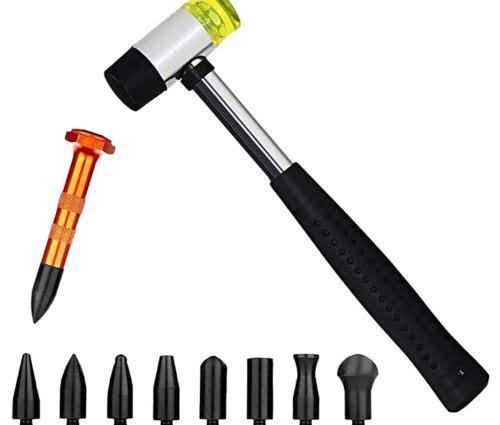
Vehicle owners can take advantage of a few simple, affordable products to protect their car from further damage while waiting for hail repair. Automotive-grade masking tape and clear sealant tape are excellent for covering small paint chips or cracks, creating a barrier against moisture and dirt. Wax-based rust inhibitors can be applied to exposed metal to help slow down corrosion until professional repairs are completed.
For larger dents or areas with cracked paint, temporary patches or adhesive wraps can help shield the surface from rain and humidity. These products are available at most auto parts or hardware stores and are easy to apply. Avoid using household items like duct tape, which can pull off paint or leave sticky residue. Stick with materials designed specifically for automotive use to avoid unintentionally making the damage worse.
Simple Ways to Protect Your Vehicle Before Repair Appointment
While you’re waiting for hail damage repairs, applying temporary protection can prevent small problems from turning into expensive repairs. Even minor dents and paint chips can allow water to seep into the metal beneath the surface. Over time, this moisture can lead to rust, bubbling paint, and damage that may make paintless dent repair (PDR) impossible. Taking a few basic steps can make a big difference. Use automotive sealant tape to cover chipped areas, especially where bare metal is exposed.
Keep your car covered with a breathable, weather-resistant cover to shield it from rain, sun, and falling debris. Avoid parking under trees or near sprinklers, and try to limit driving to reduce stress on damaged panels. You’re helping maintain the condition of your vehicle’s exterior. These preventative actions not only protect your investment but also support better outcomes when it’s time for your scheduled dent repair.

VIP Hail Service | Plano, TX
Professional Hail Repair
Stay Up-to-date With Our Content
Subscribe to learn more about our mission!