
Temperature-Controlled Glue and Tabs: Improving Hail Repair Results


Advanced Tools & Techniques
Why Glue Temperature Matters in PDR
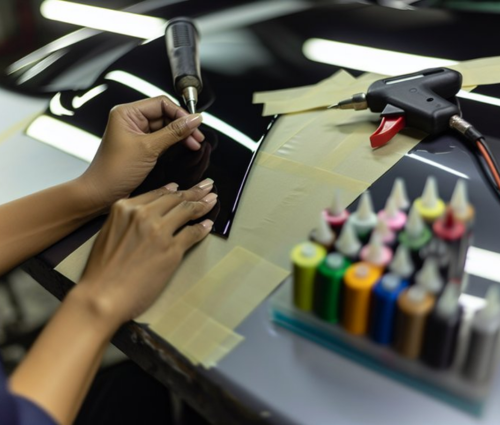
Glue pulling is chemistry plus timing, and temperature-controlled glue PDR is what makes it predictable. If the glue is too hot, it can over-cure, skin over fast, and grip unevenly, which increases the chance of pulling texture or leaving stubborn residue. If it’s too cold, it never reaches proper tack, so adhesion breaks early and the pull becomes weak.
Consistent PDR glue temperature keeps the polymer elastic long enough to transfer force smoothly into the dent. Technicians stabilize results with heat guns, panel warming, and insulated kits that keep sticks and guns within a steady range across cold mornings and hot afternoons. With control, pulls are cleaner, metal lifts more evenly, and paint safety stays high.
Tab Materials and Footprint Design
Hail repair glue tabs aren’t one-size-fits-all. Tab material selection matters because plastic stiffness changes how force is delivered. Rigid tabs maximize pull strength for deeper lows, while softer, slightly flexible tabs absorb shock and reduce the risk of sharp highs on delicate clear coat. Technicians choose based on paint condition, panel curve, and how “tight” the dent is.
Footprint design is the other half. Larger tabs spread load across wide, shallow hail sweeps, lifting the low area gradually without crowning edges. Smaller tabs target pinpoint dents or creases where precision beats raw strength. Some shapes, oval, crease, or crown, match specific dent geometry to reduce distortion.
Glue type is paired to the tab and the panel. A thick, high-tack glue might be matched with a medium-flex tab on thin roof skins, while a stronger, slower-setting glue may be paired with a rigid tab on thicker hoods. Technicians also account for metal gauge and dent depth: the deeper the low, the more important controlled pull direction becomes. When tab design and glue match the job, pulls become repeatable and finishing time drops.
Matching Glue Types to Climate Conditions
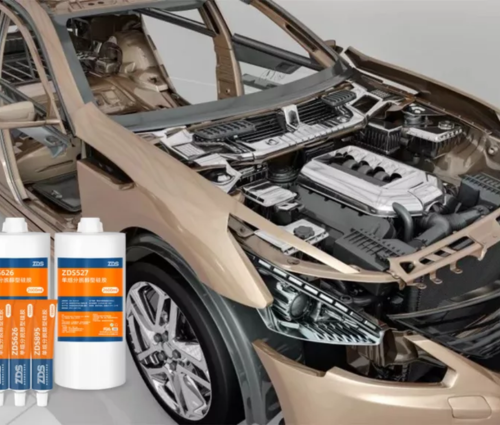
Climate dictates how glue behaves. In summer heat, many technicians use “hot weather” glue formulas that resist softening, hold shape, and release cleanly without turning stringy. These blends maintain grip when panels are warm, but they may need slightly longer set time and careful release to prevent sudden pop-offs. Choosing the wrong glue in heat can cause smears and extra cleanup.
In winter, “cold weather” glue bonds faster and stays tacky at lower temperatures, which is essential for consistent pulls. Without a winter formula, glue may freeze on contact, lose elasticity, and fail mid-pull. Adjusting glue choice with the environment prevents premature failures, reduces residue buildup, and keeps production consistent across multiple vehicles. It’s one of the simplest glue-pulling tips that separates guesswork from process.
Additional Glue performance starts before you touch the vehicle. Controlled storage means keeping sticks sealed in bags or containers, off concrete floors where cold and moisture collect. Humidity can contaminate glue, creating bubbles or inconsistent tack that turns a strong pull into a weak one. Technicians who work peak hail seasons often keep a small “daily use” bin at stable temperature and rotate stock so older sticks don’t sit open for weeks.
Clean handling matters too. Dust, detailing spray, silicone, or wax on the sticks can transfer into the glue bead and reduce adhesion. By sealing sticks, wiping hands, and keeping glue guns covered between cars, shops protect consistency during high-volume production work. That stability means fewer re-pulls, less residue, and better finish control across an entire roof or hood. Good storage isn’t glamorous, but it keeps temperature-controlled glue PDR reliable from the first pull to the last.
Techniques for Consistent Pulling Results
Even perfect glue won’t save poor technique. The first rule is surface prep: panels must be clean and dry, with no wax, road film, or detailing sprays in the contact zone. Technicians often wipe with a paint-safe cleaner, then avoid touching the spot with bare fingers. A consistent bead size and centered placement on the dent improve alignment and reduce side-load that can distort texture.
Release timing is the second control point. Pull too early and the glue stretches without lifting metal; pull too late and the bond becomes brittle, increasing the chance of sharp highs or paint stress. Skilled techs watch set time, feel the tab resistance, and keep a steady rhythm so each pull behaves similarly across a roof section.
Angle and pull direction finish the job. Straight pulls lift lows cleanly, while angled pulls can “walk” a dent toward an edge when needed, but they must be controlled. After each pull, a tech re-reads under light, taps down micro-highs, and decides whether to re-pull or switch to rods. This disciplined loop creates a uniform finish and prevents overworking, especially on high-gloss OEM paint.
Cleaning and Residue Removal Best Practices
Cleanup is part of paint safety. Residue removers should be strong enough to dissolve glue, but mild enough to avoid softening clear coat or stripping protection. Many techs use citrus or alcohol-based solutions for daily work because they cut residue quickly and flash off without heavy fumes.
Application matters as much as product choice. Spraying remover onto a microfiber first limits chemical contact and prevents liquid from running into seams, trim, or emblems. Short dwell time and gentle wiping reduce haze and keep gloss even.
After the glue releases, the panel is re-wiped with a neutral cleaner or waterless rinse to remove any oily film. A final light check confirms the reflection lines are clean and the surface texture remains consistent, especially on dark colors.
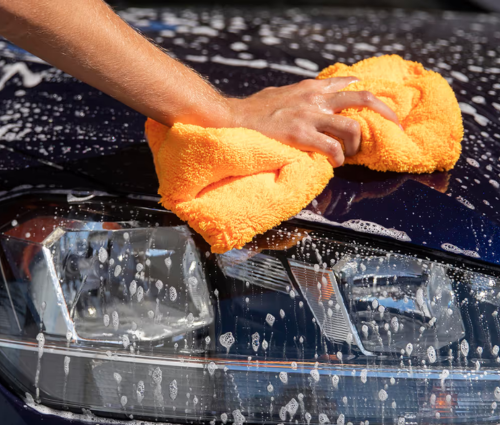
Troubleshooting Weak Pulls
Weak pulls usually trace back to contamination, old glue, or humidity shifts. Wax, silicone, dust, or even finger oils can break adhesion before the metal moves. Glue age matters too, sticks that have absorbed moisture or sat open can foam or turn brittle. Stabilize performance by storing sticks airtight, warming the panel appropriately, and testing a small pull before production. If pulls stay weak, switch glue formula or tab type rather than forcing extra strength.
Step-by-Step: Optimizing Glue Pulls for Hail Dents
Step 1: Select temperature-appropriate glue and stabilize it. Choose hot- or cold-weather sticks based on shop conditions, then keep PDR glue temperature consistent with a controlled gun and a warmed panel. Clean the contact area, and avoid spraying slick products near the dent. Step 2: Match tab size to dent type. Use larger footprints for broad lows, smaller tabs for sharp dings, and adjust tab material selection to protect sensitive paint.
Step 3: Maintain consistent heat gun distance and set time. Warm the panel evenly, then apply a uniform glue bead and set the tab centered on the low spot. Keep heat gun distance steady so you don’t overheat the clear coat or under-warm the glue. Let the glue reach proper tack before pulling; consistent timing is one of the most valuable glue pulling tips for repeatable results. Pull in the correct direction, using controlled force instead of a sudden jerk.
Step 4: Release smoothly and clean residue. Break the bond with a controlled twist or approved release method, then remove glue with a paint-safe cleaner and microfiber. Re-read under reflection light, tap down micro-highs, and decide whether to re-pull, change tab, or switch to rods. These steps keep hail repair glue tabs performing reliably across multiple panels while protecting finish quality. With process and temperature control, pulls lift metal smoothly and reduce rework on busy hail days.
Why Glue Pulling Complements Rod Techniques
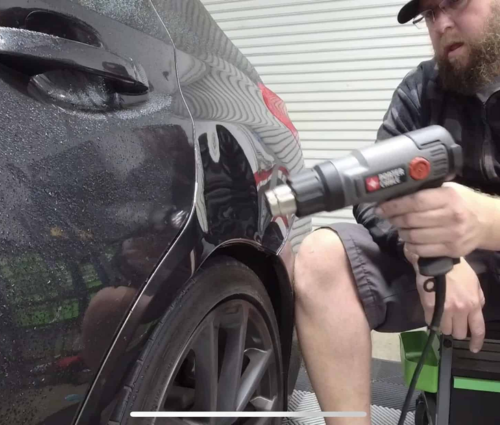
It also blends well with traditional pushing during advanced PDR workflows. Glue can pre-lift a deep low, then rods refine the last percentage and restore crisp reflection lines accurately. Used together, the methods reduce technician strain, shorten overall cycle time, and keep repairs consistently paint-safe. When tabs, glue, temperature, and technique are properly controlled, the finish can closely match OEM texture while staying efficient and profitable in high-volume hail seasons.
Precision and Consistency Define Modern PDR
Glue pulling has matured into a repeatable craft because temperature and tab control remove variables. When technicians manage PDR glue temperature, choose the right tab footprint, and follow consistent set-and-release timing, pulls become predictable instead of risky. That predictability protects clear coat, reduces residue, and keeps surface texture uniform across large hail zones like roofs and hoods. It also helps teams maintain hail repair efficiency without relying on brute force.
For vehicle owners, the value is in the finish and the reliability. Proper tab material selection and controlled glue use prevent overstressing paint, especially on newer factory finishes and darker colors that show flaws easily. Pairing glue pulls with rod work creates a safer, faster workflow on tough access areas. Precision isn’t a buzzword here, it’s the reason modern PDR can deliver clean, lasting results across wildly different hail conditions.

VIP Hail Service | Plano, TX
Professional Hail Repair
Stay Up-to-date With Our Content
Subscribe to learn more about our mission!