
Prepare Your Garage Against Hail Damage


Garage Safety
Clear Space Before the Storm

Start hail prep by clearing the garage floor. Hang bikes, tools, and paint on wall racks or overhead shelves to open a straight path to the bay. Removing clutter prevents loose items from falling onto fenders when wind rocks the roof, and sweeping grit keeps soft tires safe as you race inside.
Next, create a ready corner. Store folded hail blankets, cover straps, and a battery lantern in a waist‑high tote, and mount the garage‑door remote on a nearby hook. With essentials grouped and lanes open, you can park quickly and close doors before the first hard cold hailstones hit.
Install Reliable Overhead Impact Barriers
Fixed foam‑panel shields give garages the toughest roof defense and install with everyday tools. Kits ship as interlocking high‑resilience tiles attached to nylon mesh. After marking joists, twist stainless hooks into wood and snap mesh corners in place. The lightweight grid clears opener tracks yet stops golf‑ball hail travelling freeway speed.
Most homeowners can finish the project in one afternoon using only a ladder, tape measure, and cordless driver. Panels sit flush, add minimal weight, and leave lamps unobstructed. Photograph the finished grid and file images with your insurer as documented mitigation; some carriers credit proactive barriers when calculating comprehensive deductibles.
Renters may prefer retractable impact screens. A slim cassette mounts behind the opener, storing ballistic polyethylene fabric reinforced with aramid threads. When alerts sound, pull the handle and the sheet glides along ceiling rails, locking into magnetic latches. Tests stopped thirty‑eight‑millimetre hail at fifty kilometres per hour, then rewound smoothly after storms. The kit weighs under ten kilograms and removes easily for end‑of‑lease inspections.
Select High Density Ceiling Nets
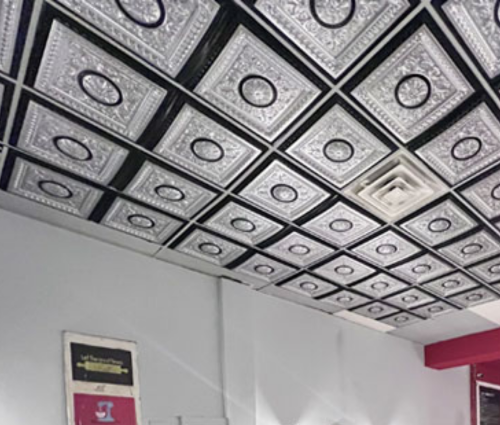
High‑density ceiling nets weave polypropylene with elastic cords that stretch then rebound, spreading hail impact across a broad surface. Each two‑kilogram panel presses onto metal furring with fifteen‑kilogram anchors—ideal for apartments where heavy drilling is banned. UV‑stable fibers baked into the polymer resist fluorescent fade, and heat‑sealed edge bands stay flat, so tall SUVs roll under without antennas snagging.
Panels arrive in modular squares, letting you stagger coverage, leave lanes above lighting, and keep smoke detectors exposed. Create a full grid over each bay or concentrate protection where hail hits hardest. When paired with foam side‑wall pads, the net can cut dent counts by up to eighty percent in moderate storms, making repairs quicker and far cheaper. Tension each corner annually; the five‑minute check keeps the system tight & ready.
High‑density ceiling nets weave polypropylene with stretch cords that rebound, diffusing hail force across a broad surface. Each two‑kilogram panel presses into metal furring with fifteen‑kilogram anchors—perfect for garages where heavy drilling is banned. UV‑stable fibers baked into the polymer resist fluorescent fade, while heat‑sealed edges stay flat so tall SUVs glide beneath without snagging antennas. Their slim profile keeps opener tracks and lamps unobstructed during everyday parking maneuvers inside.
Modular squares let you stagger coverage, leaving lanes above lights and smoke detectors while each bay remains fully shielded. Paired with soft wall pads, the grid cuts dent counts by eighty percent in real‑world tests, saving owners paintless repairs. Check corner tension each spring to keep panels snug. Brush the net quarterly, mist joints with silicone to silence squeaks, and practice ladder rollout on clear days so deployment feels routine.
Padding Walls and Door Frames
Rubber wall pads sold for home gyms double as reliable hail shields along garage walls. Trim each pad to sit neatly between studs, then secure it with construction adhesive rated for heat and cold swings. Once bonded, the dense foam absorbs ricocheting ice that can blast through roof vents and prevents doors from smacking hard surfaces when you park hurriedly in pounding rain.
Door edges deserve matching protection. Split a bright foam pool noodle, slide it over the metal flange, and lock it in place with clear packing tape so the fix blends with paint. The entire upgrade costs only a few dollars, yet it blocks paint chips that might later bubble if moisture sneaks under the clear coat during freeze cycles.
For wider bays, screw flexible polyethylene sheets behind bumper height using rubber spacers. The panels bow on impact, channel hailstones downward, and leave a slick surface that hoses clean in seconds.Combined cushions stop scuffs insurers rarely reimburse, trimming future touch‑up expenses significantly.
Quick Deploy Hail Car Covers
Impact‑rated vehicle covers combine shock‑absorbing foam cores with a slick, water‑shedding shell that lets hailstones glance off instead of punching dimples into sheet metal. Keep the folded cover in a clearly labeled tote beside the parking spot so anyone can grab it fast when alerts sound.
Although the multilayer blanket compresses to a tidy package, it springs back to full thickness within minutes, ready to cushion roof, hood, glass, and side mirrors. Elastic hems hug rocker panels, while quick‑release cross straps cinch under bumpers, preventing gusty winds from lifting fabric midway through a storm.
A reflective silver outer skin also blocks ninety‑nine percent of ultraviolet radiation on bright days, preserving clear‑coat gloss and reducing interior heat whenever hail season sleeps.
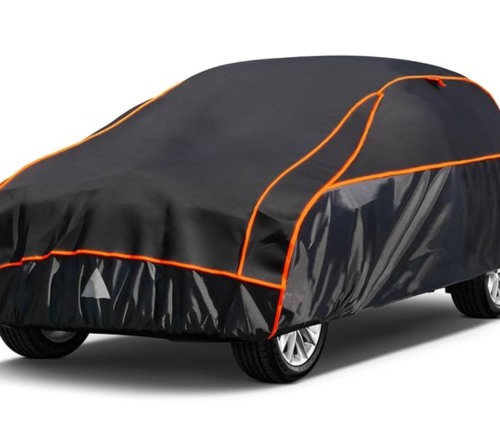
Frequent practice is essential for flawless cover deployment. Set a quarterly reminder, then stage a timed drill: remove the tote, unfurl the cover, slip it over mirrors and bumpers, thread the straps beneath, and cinch the quick‑release buckles. Record the seconds with a phone stopwatch, aiming to shave a few each session until the entire routine feels like muscle memory. When an unexpected hail alert blares at night, that ingrained speed lets you fit and secure the shield in under sixty seconds, calmly and without missteps.
Organize Essential Storm Supplies
Mount a sturdy pegboard on the garage’s side wall and trace silhouettes for every essential tool—cordless driver, flashlight, breaker bar, and rubber mallet—so anyone can match item to outline at a glance. Beneath the board slide a bank of clear plastic drawers for spare ceiling‑net anchors, foam strips, extra buckle straps, and rolls of heavy tape, labeling each bin in bold marker. By giving every object a fixed, visible slot, you erase desperate rummaging when thunder is rumbling and seconds matter.
Position a folding table directly below as your storm staging station. During severe‑weather watches the surface hosts a NOAA weather radio, fresh batteries, a handheld anemometer, and the printed VIP Hail Service prep checklist. Laminate the sheet so spilled water cannot blur ink. Above the table, tack the regional hail‑size chart that pairs typical stone diameters with damage levels, letting family members translate cryptic forecasts into clear risk categories. Keep a clipboard with insurance and roadside numbers clipped beside it.
Conduct a full drill every month. One person parks the car; another drops the garage door and powers the radio, while a third refreshes the radar app. Record elapsed time on the pegboard and challenge the household to trim ten seconds each practice. Replace single bulbs with twin LED panels and install a motion sensor to flood the bay with light during night alerts. Mount a rechargeable lantern near the side exit, and test every battery twice a year, logging dates for accountability.
Monitor Incoming Weather Early

Modern weather apps let you build hail alerts that ping whenever radar detects high‑reflectivity cores nearby. Enable piercing tones and strong vibration so late‑night storms never slip past earshot, and check battery and data permissions weekly to guarantee notifications push through network. When the warning arrives, pull vehicles inside, shut doors, and safely lash patio furniture or trash bins that could crack paint.
After sheltering, jot notes in a storm log: alert time, hail arrival, stone size, and any dents found at daylight inspection.Monthly entries quickly reveal patterns such as common hail tracks or coverage gaps. Use those insights to strategically upgrade nets, add quicker covers, or reroute storage for faster movement. Proactive, data‑driven tweaks always cost far less than surprise bodywork invoices afterward.
Use the VIP Storm Prep Checklist
Download VIP Hail Service’s free printable storm‑prep checklist and tape one copy beside the pegboard, sliding another into your glove box for trips away from home. The single‑page guide breaks protection into thirty clear action boxes—sweep the floor, unroll nets, secure covers, latch doors, photograph panels—so you stay organized even if power cuts out or cell signals vanish during severe weather. Visible prompts keep nerves calm and tasks in order, letting family members jump straight to their roles without second‑guessing next steps.
Run quarterly drills using that sheet to sharpen teamwork and shave precious seconds off the response. Assign roles: one driver parks inside, a second unfurls the cover, a third locks doors and powers the NOAA radio. Record each drill time on the checklist and challenge the household to beat the previous mark. With smooth choreography, deployment routinely drops below sixty seconds, keeping roofs dent‑free.Every avoided ding equals money saved on repair and preserves the finish season after season.. The habit sticks year after year.

VIP Hail Service | Plano, TX
Professional Hail Repair
Stay Up-to-date With Our Content
Subscribe to learn more about our mission!