PDR with PPF and Vinyl Wraps


Hail Repair Guide
Film, Wraps, and Hail Dent Reality
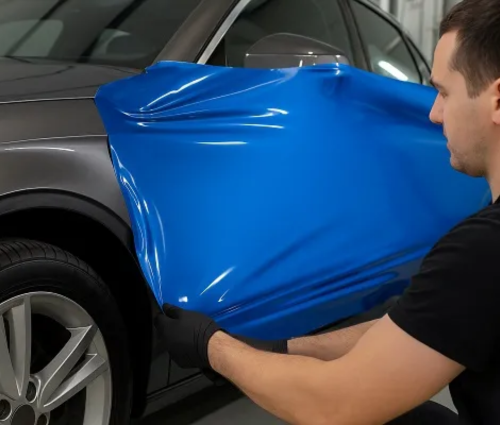
Hail dents under paint protection film or vinyl wraps are common, and the fix needs a plan. Because PDR reshapes metal from behind the panel, the surface layer should not fight repair. For small dings, techs may work edges without disturbing film. If the impact stretched paint or the film lifted, removal is safer so the metal can be read under proper lighting.
Before anything, document the condition of the film or wrap and note seams.Then schedule Paintless Dent Repair (PDR) with a shop that handles film removal and reapplication in house, so responsibility stays clear and timelines stay tight.
Safe Removal Before Any PDR Work
Film and wraps hide panel texture, so the first step is staging. We record where seams, relief cuts, and overlapped sections live. Edges are warmed with controlled heat to release adhesive without pulling a clear coat. Any failing film is mapped so the customer knows what will be replaced, and what can be saved for reinstallation. Sensor housings and parking aids near film edges are masked to prevent residue contamination.
Once the layer is off, panels are cleaned with residue safe removers. Now the technician can place LED reflection boards and identify every high and low. That visibility is vital because PDR relies on exact pushes and tap downs, not fillers.With access confirmed, trim panels or headliners may be loosened for tool access. The repair proceeds panel by panel until the metal returns to its pre-storm shape. Only then is the surface prepped for film or wrap again, so no fresh adhesive traps hidden lows or micro highs. Notes and photos document tool paths for insurance records and future maintenance.
When Removal Is Not Optional Anymore
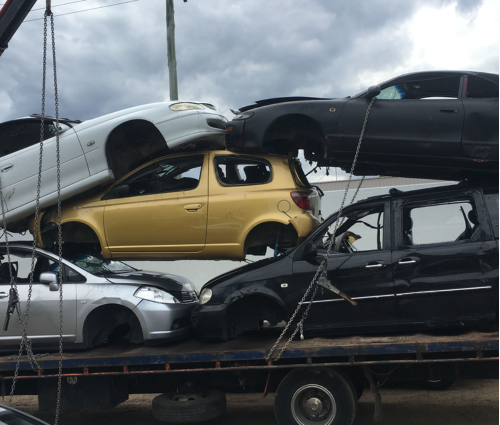
Sometimes keeping the layer in place risks a worse outcome. Lifted or cracked edges can crease when metal is moved. Old film yellows, hardens, and may shred under light heat, leaving adhesive that blocks clean tool reads. Matte and satin wraps can show pressure lines, so even perfect PDR might leave visible tracking. If moisture or grit sits under the film after a storm, it can bruise the finish during repairs.
In these cases, we plan a careful, controlled removal before any pushing or blending begins. That protects the paint, speeds inspection, and keeps all warranties fully intact. We will also review expected reapplication areas and identify any trim or clips that may need loosening. For multiple panels, removal is batched strategically to reduce downtime, and keep surfaces clean and stable until film or wrap is professionally reapplied.
After repair, reapplication is precise work. Installers align patterns so seams avoid major body lines with past dents, then stretch the film or wrap evenly to prevent lift. Edges are knifeless where possible, and relief cuts are planned so water cannot channel under corners. Panels cure under clean, warm conditions with dust control, and post cure checks look for trapped air, silvering, or edge tension.
If the hood or roof took the brunt, we often replace rather than reuse older film to match clarity across panels. Your invoice will note film grade and warranty terms for future claims.To understand the repair steps end to end, Auto Hail Repair and Hail Damage Repair. Gloss PPF pairs well with factory paint, while textured wraps need careful heat cycles to preserve sheen and avoid shiny spots along high crown areas addressed during PDR.
Insurance, Estimates, and Documentation Steps
Claims go smoother when film status is captured up front. We photograph seams, aging, prior edge lift, and any tinted or ceramic coated sections that may affect removal. We also note parking sensors, badges, and cameras near edges to plan clean removal and reinstall without fault codes or alignment issues. That becomes part of the estimate alongside dent counts, panel access notes, and whether trim must be removed for proper PDR.
Adjusters want clarity on time and materials. Your estimate should separate PDR labor from film or wrap work, including panel prep, removal, and reapplication. For context on cost drivers, review hail repair pricing factors.Most comprehensive policies cover hail; deductible handling varies by carrier and program.
Insurers favor methods that keep factory paint intact, reduce parts, and shorten cycle time. These are three reasons they often approve PDR quickly. If film replacement is required, we list the exact product used so approvals match brand and thickness, avoiding rewrites. Photos of post repair panels under lights are included to document finish before reapplication.
Choosing Reinstall vs. Full Replacement
Reusing film saves money when clarity and adhesion are still strong. We test tack at several edges and compare appearance to adjacent panels. If the film shows haze, lift, or cracking, replacement prevents early failure after reapplication.
Wraps are judged by color stability and surface feel. Matte or satin finishes that are polished in spots should be replaced to avoid mismatched sheen across a hood or roof. Printed graphics often require new panels so patterns align cleanly.
We carefully match brands, thickness, and finish so protection is consistent across every section of the car. Where owners plan ceramic coating later, we confirm proper cure windows as recommended by the film maker and installer. That schedule keeps edges tight, maintains adhesion, and avoids any chemical staining or etching during the early washes.
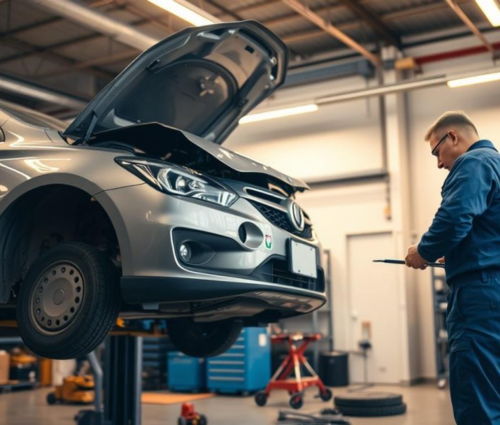
The goal is a car that looks right in sun and shade, with protection restored where it matters most. By planning removal, PDR, and reapplication as one job, you avoid edge lift, mismatched gloss, or trapped imperfections. You also keep claim notes tidy, which helps future approvals. If your vehicle carries older film or a custom wrap, bring any product info you have; it helps us match specs and warranty terms.
DIY Risks with Film and Wraps
Uninstalling film or wraps at home seems simple until the first stubborn edge. Too much heat can mar a clear coat and bake adhesive into pores. Too little heat tears the film, leaving jagged pieces that take hours to chase. Solvent choice matters; harsh removers can haze plastics and trim. Sensors, cameras, and emblems near film edges need masking and power down steps, or adhesives can wick into housings and cloud lenses.
The bigger risk is invisible: reading the metal. PDR accuracy depends on how light reflects across the panel. Adhesive residue, tape lines, and trapped dust alter reflections and hide lows. If you push metal without a clean surface and proper lighting, you can stretch it and create oil canning, which is difficult to reverse. Once metal is overstretched, the only fix may be filler and paint, exactly what hail owners try to avoid.
Knives and string tools also carry danger around badges and edges. Incorrect angles slice clear coat at door and hood seams, and even knifeless tape can leave faint cut lines if pulled too cold. A trained installer who works beside your PDR tech coordinates removal paths, heat, and reapplication so the surface is truly ready before the first push.
Timeline and Aftercare You Can Expect
Most jobs follow a steady rhythm: day one removal and full inspection, day two and three PDR, then reapplication on day four, with curing and checks after. Severe storms or roof rail access can add time, but consolidating work under one roof shortens overall downtime and avoids scheduling gaps between vendors.
After reapplication, skip harsh washes for a few days and avoid pressure on edges. Matte wraps appreciate gentle microfiber only. If you plan ceramic coating, wait for the maker’s recommended cure window. We provide simple care notes so the surface stays clean and tight while adhesives finish setting. High heat or storage outside is fine, but watch for early lift at tight corners; if you see it, stop washing and let us reset tension quickly.
Ready to Schedule or Ask Questions?
If your vehicle carries PPF or a vinyl wrap and takes hail, we can handle the whole sequence, remove, repair, and reapply, without sending you to multiple shops. VIP Hail Service coordinates trained installers and PDR technicians under one plan, with photos for your records and clear estimates for insurers. Bring any film brand information you have, plus notes on prior coating or tint work.
Not sure whether your film can be reused? Stop by for a quick inspection under lights. We will check tack, clarity, and edges, then outline options and timelines that fit your schedule. Whether it is one panel or a full roof and hood set, VIP Hail Service is ready to help you get back to normal with protection restored and the finish looking right. Pickup and delivery options may be available during peak storm seasons; ask when you book.

VIP Hail Service | Plano, TX
Professional Hail Repair
Stay Up-to-date With Our Content
Subscribe to learn more about our mission!