PDR Keeps Your OEM Paint Warranty


Warranty Basics
Why Original Paint Coverage Matters
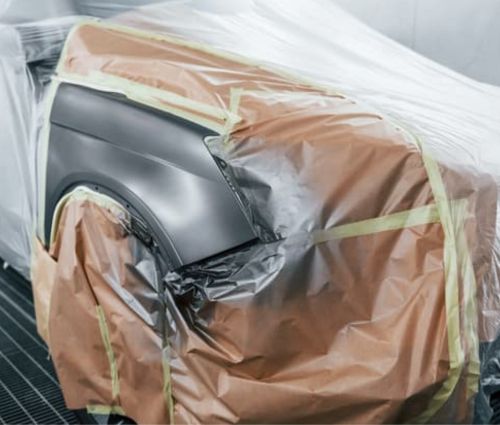
Factory paint warranties protect against premature peeling, cracking, or fading, but each contract carves out exceptions. One key line says coverage lapses if a panel is repainted anywhere except an authorized facility. That sentence puts owners at risk after hail events when many shops reach for sanding blocks and spray guns.
Paintless Dent Repair removes dents from behind the metal, saves the original finish, and keeps that warranty language valid. Understanding how this non invasive method aligns with manufacturer terms helps drivers avoid surprise rejections when corrosion or clear coat failure appears later.
How PDR Fits Warranty Language
Automaker paint guarantees typically span three to five years and cover defects that arise from factory materials or application processes. Clauses often list blistering, excessive fade, and delamination, yet they also specify that panels must retain the original topcoat to qualify. Any aftermarket refinish, even a perfect color match, moves liability from the manufacturer to the shop that applied it.
Most policies also demand that owners document maintenance. Service booklets recommend washing with pH balanced shampoo, avoiding abrasive polishes, and repairing stone chips quickly. Keeping digital photos and dated receipts creates a trail that proves responsible care if a claim ever reaches a district service manager. These records can live in secure cloud folders for quick retrieval.
When dents appear, the safest route is a warranty friendly fix. Paintless Dent Repair meets that need because the process leaves the clear coat intact, does not alter panel thickness, and avoids heat that could disturb adjacent paint. Techs use precision rods and glue pull tabs to massage metal until reflection lines restore their factory straightness.
Documentation Owners Should Keep To Maintain Warranty
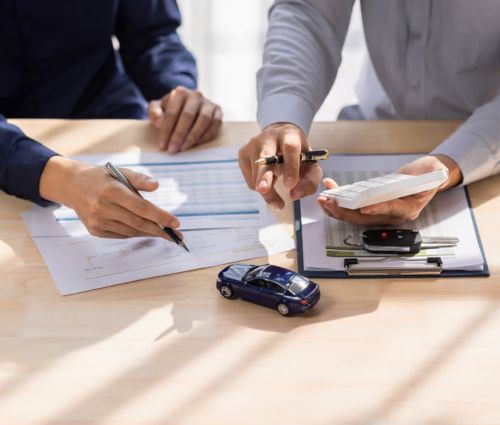
To preserve warranty eligibility, collect paperwork whenever work is done on your vehicle. Save the original purchase invoice, the warranty booklet, and any service history in one labeled folder. Add high resolution photos of each panel before and after any repair so the baseline appearance is clear. Periodic documentation turns into strong evidence should you ever face a regional factory audit.
If you need PDR, ask for a detailed invoice that notes repair method, panel locations, and statement that no paint work occurred. Request a signed technician certification and keep it with your files. Include any shop warranty terms and photos taken under consistent lighting. Should questions arise later, these documents clearly show your finish remained untouched and that industry approved procedures were followed.
Paintless Dent Repair avoids sanding, fillers, and spray booths, so the original clear coat remains untouched. That untouched surface matters because most modern vehicles use a two stage paint system where the clear layer carries UV blockers, gloss enhancers, and chemical resistance agents all calibrated precisely in the factory. Any refinish, even high grade, can shift those properties and provide dealers a reason to deny later claims.
During PDR, technicians access the backside of a dent through factory openings or use specialized adhesive tabs on the exterior. Gentle, incremental pressure coaxes the metal back into place while heat lamps keep the panel within a safe temperature band. The finish flexes but never cracks, meaning the molecular bond between paint and substrate stays as the manufacturer engineered, an essential factor for keeping warranty promises intact for many years of daily driving.
VIP Hail Service Warranty Safe Process
VIP Hail Service follows Original Equipment Manufacturer bulletins that outline permissible dent removal methods. Before any work starts, the coordinator checks your vehicle’s make and model against a database of factory paint specifications to confirm recommended tool temperatures and access points. This pre check step ensures compliance with warranty guidelines before a single panel is touched.
During repair, technicians use calibrated line boards and electronic depth gauges that verify metal movement stays within tolerances published by automakers. Each completed panel is photographed under polarized light, and the images attach to the final invoice as proof that the clear coat did not fracture. Staff members also hold industry certificates that require annual continuing education on evolving substrate coatings, further protecting your warranty.
Finally, an in house quality auditor reviews torque settings on reinstalled trim and confirms there are no micro scratches around edges. The signed report becomes part of your file and can be shown to a dealership service manager if warranty issues arise years later, eliminating uncertainty about the legitimacy of the previous repair.
Hidden Exclusions In Paint Warranty Booklets
Warranty booklets list coverage in bold headings, but exclusions hide in tight fine print. One key line states that repainting outside factory processes removes corrosion protection for that panel.
Another clause notes that damage from fallout, road debris, or repair materials is not covered if the owner authorizes unapproved work. These sentences shift risk to the driver whenever body filler and aftermarket paint enter the picture, removing manufacturer responsibility for rust that may appear later.
Reading clauses carefully before scheduling repairs prevents unpleasant surprises and shows why picking non invasive PDR safeguards long term protection. Keeping electronic copies of warranty PDFs allows quick searches for terms like refinish or corrosion.
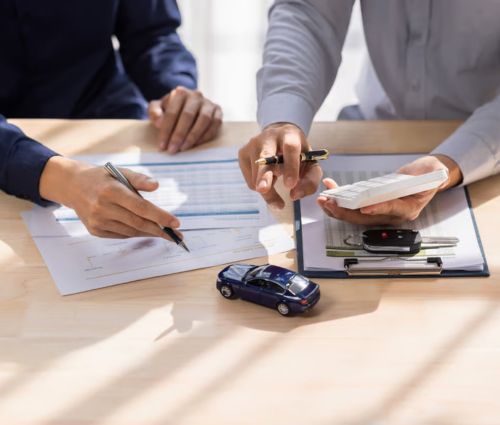
When paperwork states that original paint must remain untouched, a finished PDR invoice becomes your strongest evidence. It confirms that metal was reshaped rather than resurfaced, that no solvents contacted the clear coat, and that manufacturer recommendations guided each step. Presenting this record during any future warranty claim simplifies the decision for dealership staff, who can quickly see the finish remains factory applied, uncompromised, and therefore still fully warranty eligible.
Build A Bulletproof Warranty Record
Even though PDR is warranty safe, thorough documentation still matters. Start by photographing the odometer, VIN plate, and every exterior panel under natural light on the day repairs are booked. Include a ruler or coin near larger dents for scale. These clear, timestamped images provide an indisputable reference that complements the written estimate and proves the paint condition before work begins.
Next, request a copy of the technician’s tool access plan. This single page sketch shows where rods entered frame rail openings or where glue tabs attached. It verifies that no drilling, filler, or paint work occurred, any of which could void paint protection. Having this diagram signed by the lead tech adds an extra layer of credibility.
Finally, attach the repair invoice, the shop’s lifetime guarantee statement, and all photos to an email chain sent to yourself for safe keeping. Cloud based email preserves metadata dates, creating a verifiable audit trail that is difficult to dispute. Keeping digital and printed copies in your glove compartment ensures evidence is handy if a dealership raises a corrosion question during future service appointments. Combined, these simple habits form a robust defense against potential warranty denials.
Choose Technicians Certified By Manufacturers
Choosing a shop that carries manufacturer recognized training is another safeguard. VIP Hail Service technicians complete annual courses on substrate coatings, corrosion prevention, and emerging alloys, then pass practical exams that mirror dealership quality benchmarks. These programs teach the latest tolerances for ultra high strength steel and multi layer clear coats.
Certificates hang in the lobby and serial numbers appear on invoices, giving customers a direct reference should they wish to verify credentials. Working with certified professionals assures that each repair follows factory norms from tool selection to final polish, reducing the risk of warranty conflicts. The peace of mind gained by these credentials often outweighs marginal price differences and supports higher resale value.
Key Takeaways On Warranty Safe PDR
Paintless Dent Repair keeps factory paint intact, aligning perfectly with OEM warranty language that excludes repainted surfaces. By maintaining original clear coat chemistry, PDR safeguards UV resistance, gloss depth, and color match, features that automakers guarantee only on the finish they applied in the assembly plant. Avoiding sanding, filler, and solvents removes the main triggers for coverage loss while still restoring showroom appearance after hail damage.
Documentation closes the loop. Save invoices that state PDR methods, technician certificates, tool access diagrams, and before and after photos stored in cloud folders. Choosing certified specialists and retaining clear images of every panel creates an airtight record demonstrating compliance with manufacturer standards. These simple actions ensure future claims for corrosion, peeling, or clear coat defects proceed smoothly, protecting both your vehicle’s value and long term peace of mind.

VIP Hail Service | Plano, TX
Professional Hail Repair
Stay Up-to-date With Our Content
Subscribe to learn more about our mission!