
Mapping and Counting Dents for Hail Repairs


Estimator Guide
What blueprinting means in hail repair
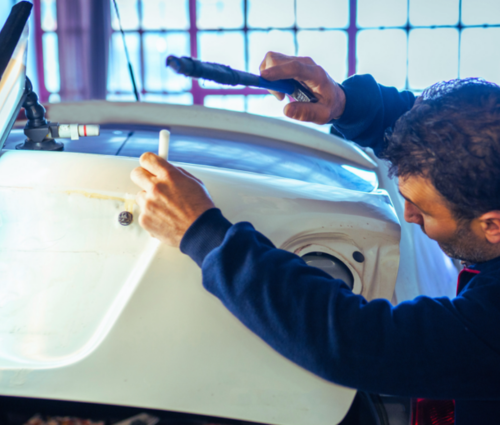
Blueprinting is the step where a hail shop documents every panel, dent count, and severity so the repair plan matches the car’s actual damage. Techs use PDR lights, line boards, and paint-safe markers to map lows and mark access points for tools. And they record photos that later support insurance approvals and parts orders.
A clean blueprint prevents missed dents, wrong labor times, and avoidable supplements. It also sets realistic expectations for PDR versus panel replacement, and for any remove-and-install items like headliners or trim. Good mapping keeps repair time, cost, and quality aligned.
How techs map and count dents
Blueprinting starts with lighting.PDR line boards or LED rails cast a controlled reflection across each panel so lows stand out. Techs move the light and their sightline, circling dents with wax pencil or tape, labeling the panel (hood, roof, rails) and noting access points. Obstructions like double-wall bracing or sound deadener are marked for remove-and-install, and any cracked paint is flagged as non-PDR.
Counts are grouped by size: dime, nickel, quarter, half-dollar, and larger. Severity is noted as soft, sharp, or stretched, plus wind-hail patterns that cluster on one side. The tally feeds a pricing matrix or estimating system that sets time and cost per dent by size and panel.
Digital photos and overhead views complete the map. Shops attach images to the estimate so adjusters can verify counts and approve labor, R&I, or part lines. A clean blueprint speeds approvals, reduces re-inspections, and helps techs plan tool access and sequence for faster, cleaner results. It also locks in panel photos after wash and prior to any disassembly.
Dent size categories and severity
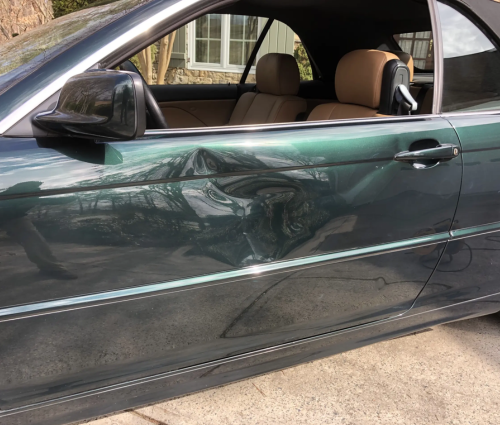
Most shops use size buckets that match insurance matrices: dime, nickel, quarter, half-dollar, and oversize.Counts also record shape—soft, sharp, or crown-supported—because sharp tips take longer and may require micro-pushing and blending. Stretched metal or cracked paint is flagged for conventional repair rather than pure PDR.
Severity and location matter too. Roofs and hoods count faster than rails and double-walled areas, which limit tool leverage and can add R&I for headliners or trim. Blueprint notes capture bracing, sound pads, corrosion protection, and airbag wiring routes so the final plan reflects safe access and proper reassembly. Material type is recorded—aluminum, high-strength steel, since metal memory, heating limits, and push techniques differ, and EVs may require battery shut-down steps.
Counts and pricing work best when the rules are consistent across the vehicle. Clusters are counted individually unless a crease or hail-cluster line applies. Edge dents near body lines often score up a size because they take longer to move cleanly without marking. Overlapping lows are separated visually by following the reflection, circling each distinct center. Where crowns connect dents, techs plan relief pushes first to avoid trapping metal. Notes also list brace positions, glue-pull feasibility, and blind zones that need tabs or special tips.
For large or sharp dents, size is upgraded if stretch is visible or paint is chipped. The blueprint calls out conventional repair for those items while keeping the rest PDR. R&I lines cover headliner drop, mirror caps, or trim to reach the backside. Photos include a ruler or coin for scale, a wide shot for location, and a panel label. That consistency supports estimate accuracy and avoids mid-repair surprises.
Why accuracy speeds insurance approval
Adjusters approve faster when a blueprint clearly connects dent counts, sizes, and access notes to a pricing matrix. That reduces questions and prevents files bouncing back for missing photos or unclear labor lines. Good maps also show why certain panels need R&I, why rails count slower, and why a few dents require conventional repair.
Insurers care about consistency. When the same measuring method and lighting are used across the vehicle, estimates read the same from hood to decklid. Digital photos labeled by panel let desk reviewers verify counts remotely, which is common during regional hail events. They can green-light supplements quickly if the blueprint clearly documents stretch, cracked paint, or blocked access.
Clear documentation also helps the shop plan parts orders and scheduling, so the car spends less time waiting for approvals. It narrows variance between the initial estimate and the final bill, which keeps owners, insurers, and technicians on the same page. That alignment reduces re-inspections and supports predictable timelines from check-in to delivery.
What inspectors and adjusters look for
They want clear counts by size per panel, labeled photos, and notes on access or obstructions. Blueprints should separate PDR from conventional repair, with R&I lines for trim or headliners.
Consistency matters: the same lighting and measuring standard across hood, roof, doors, rails, and decklid. Edge dents, braces, airbags, and corrosion protection steps should be noted to show safe access and clean reassembly.
Adjusters also look for evidence of stretch or cracked paint that justifies matrix upgrades or conventional lines, plus panel photos before disassembly. Well-organized files speed remote review and reduce back-and-forth calls. Including a ruler for scale and coin references in photos helps confirm dent size categories quickly.

A strong blueprint protects the OEM finish by matching the repair method to the actual damage and keeping tool access controlled. It also keeps the estimate honest, minimizing changes once panels are open. With clear counts, labeled photos, and R&I notes, the shop can reserve the right technician, order parts early, and schedule around drying or calibration windows. That means fewer surprises and a smoother repair. Owners get clearer timelines and steadier communication.
DIY prep before your estimate
Wash the car and dry it fully so reflections show true lows. Park under soft overhead lighting or near a shaded wall, then sight along the hood, roof, decklid, and rails. Mark dents with removable tape dots, and note any cracked paint or edge damage. Open doors and check headliner edges for clips or airbags that might require R&I. Check for water leaks around sunroof drains and windshield moldings, which can hide hail damage or complicate headliner removal.
Photograph each panel twice: one close-up with a coin or ruler for scale, and one wide shot that proves location. Shoot after washing, before any disassembly, and again once the estimate is written to document the baseline. Save images in a folder by panel name (e.g., Hood, Roof, RR Door) so they’re easy to upload.
Bring your notes to the appointment along with keys for access. Tell the advisor about prior bodywork, repaints, wraps, or aftermarket parts that affect access or heat tolerance. Ask for the blueprint copy with counts by size per panel so you understand what’s PDR, what needs R&I, and any conventional lines. This preparation saves time and helps the file move smoothly with your insurer. If you have a dashcam, bring the mounting tool to remove it cleanly for headliner drop and reattach after repair.
Shop process from check-in to repair

At check-in, the advisor verifies contact info, notes prior damage, and washes or wipes panels if needed for lighting. A technician performs the blueprint under PDR lights, records counts by size per panel, marks access, and lists R&I items like headliner drop or trim removal. Photos and notes are attached to an estimate for you and, if applicable, your insurer.
Once approved, the shop sequences repairs by panel, starting with the roof and hood, then moving through rails and sides in a controlled order. Techs choose a tool path that protects the finish, using rods, soft tips, leverage blocks, and glue pulling where access is blocked or limited. Any conventional items are handled by the body team, followed by careful reassembly, interior cleaning, and a final light check for accuracy. Quality control then confirms gaps, clips, and overall consistency.
Schedule a precise hail damage blueprint
Ready for a clear plan and zero guesswork? Bring your vehicle for a professional blueprint that maps counts, sizes, and access the right way. We’ll document everything with photos, outline PDR versus conventional items, and give you a written estimate that reads cleanly for insurers. VIP Hail Service can also help coordinate R&I and part orders so your car moves through repair without delays.
Prefer to start remotely? Send clear photos by panel and we’ll pre-screen the damage, then confirm counts in person under lights. You’ll leave with a step-by-step plan, timelines, and options that protect your factory finish. If insurance is involved, we’ll package the blueprint so approvals move quickly and the file closes cleanly. Schedule today with VIP Hail Service and get an honest, accurate roadmap to repair.

VIP Hail Service | Plano, TX
Professional Hail Repair
Stay Up-to-date With Our Content
Subscribe to learn more about our mission!