
Service Bulletins Guide Trusted PDR


Repair Rules
Bulletins Protect Warranty

Service bulletins are factory‑issued updates that dictate exactly how repairs must be performed when new metals, adhesives, or sensors reach production. These documents live inside the warranty handbook, and skipping a single line during hail work can void paint, corrosion, or structural coverage without appeal.
Modern bulletins frequently specify paintless dent repair for aluminum roofs and hoods because heat, filler, or drilling can disturb bonded seams and antenna wiring. Certified PDR technicians download every update, review force and temperature limits, and follow them step by step, preserving roof sensors and ensuring the owner keeps full factory corrosion protection.
Current OEM Examples
General Motors bulletin 8838 instructs technicians that hail dents on Silverado and Sierra aluminum hoods must be removed with slow, controlled rod pushes—never glue—when panel temperature is below forty Celsius. The page lists a ten‑millimetre maximum dent diameter and mandates recording surface heat readings before and after every tool stroke for documentation submitted with warranty claims processing.
Ford service message SSM 9954 targets F‑150 aluminum roofs. It warns that even faint slip marks near the powered antenna pod can shear embedded solar wiring used for telematics. Shops must insert soft nylon guards under rod tips, limit leverage to seven kilograms during crown removal, and log force numbers in the final repair report.
Tesla bulletin SB‑200 governs Model Y liftgates. Technicians pre‑heat the dent zone to sixty Celsius with infrared lamps, then apply gradual reverse taps from interior access holes. The sheet strictly bans hammering above rear camera cabling to avoid image distortion, and requires posting before‑and‑after thermal photos to the digital service file for online warranty validation submission
Keeping Bulletins Handy

Service bulletins reach repair shops through subscription portals. A certified shop designates a technician to scan fresh releases each morning, highlight any note that touches exterior panels, and print it. The sheet rides to the estimating counter and later joins the job folder when a matching vehicle arrives. The disciplined ritual prevents overlooked instructions during hectic hail seasons.
VIP Hail Service maintains a cloud index tagging every new bulletin by make, panel, glue color, and torque limit.. Estimators open the database on tablets while walking the vehicle with the owner, showing highlighted steps that will guide the repair. Sharing the actual bulletin builds trust and records compliance, evidence insurers and dealership auditors increasingly demand for warranty files and resale reassurance.
Matching factory instructions matters most on thin aluminum roofs, where a single degree too high can stretch heat‑treated alloy and create oil‑can waves no PDR rod can flatten. When a bulletin specifies cold repair below forty Celsius, VIP’s certified technician verifies surface temperature with an infrared gauge before every push and logs the reading in a tablet. The finished file stores these images beside the invoice, proving that all metallurgy limits set by the automaker were honored.
Those meticulous entries matter to insurers. Claim adjusters reviewing the digital packet instantly see the bulletin number, temperature chart, and timestamped photos, so approvals often arrive the same afternoon rather than days later. Faster authorization keeps the vehicle off plastic wraps, frees bay space for the next hail job, and trims rental‑car charges. Owners appreciate the shorter downtime, while carriers reward such transparent compliance with quicker payments and, in many cases, reduced follow‑up scrutiny on future claims.
Shop Workflow in Action
Matching factory instructions matters most on thin aluminum roofs, where even a few extra degrees can over‑age the heat‑treated alloy and raise oil‑can waves no PDR rod will ever flatten. When a bulletin mandates cold repair below forty Celsius, VIP’s certified technician scans the panel with an infrared gauge before every push, noting readings on a tablet and snapping a photo that shows the tool, the spot, and the temperature side by side. That visual evidence joins dent maps, panel codes, and technician ID in the job packet, creating an irrefutable audit trail that proves every metallurgical limit set by the automaker was respected from first tap to final polish.
Those meticulous records matter to insurers. Adjusters opening the digital file immediately see the bulletin ID, temperature chart, and timestamped photos, so approvals often land the same afternoon rather than days later. Rapid authorization keeps cars off plastic wraps, frees bay space for the next hail job, trims rental charges, and earns VIP a reputation for warranty‑safe speed with insurers alike.
Internal Control Steps
Service bulletins reach the shop through overnight email feeds, so VIP designates a morning coordinator to review fresh releases at opening bell. Critical pages print on bright orange paper and ride inside each job folder from first estimate photograph to final polish inspection.
A magnetic whiteboard beside the break table lists every active bulletin by make and model. When technicians finish reading a sheet, they add their initials under the vehicle column, forming a custody chain that a supervisor photographs before wiping the board clean each Friday.
Monthly audits match repair files with bulletin printouts; any missing document triggers refresher workshops, reinforcing compliance culture without blame and preserving perfect scores during surprise manufacturer inspections

While waiting, customers can scan a QR code printed on their estimate and instantly read the exact bulletin governing their roof or fender. The plain‑language sheet outlines alloy hardness, approved adhesives, required temperature caps, and nearby sensor locations. Seeing factory rules firsthand turns nervous speculation into informed confidence and illustrates why certified procedures—extra panel mapping, slower pushes, and documentation—cost a bit more than quick, off‑book dent fixes yet preserve full warranty coverage for the owner.
Detailed Aluminum Roof Process
Aluminum truck roofs carry unusual risk because the panels are heat‑hardened and only millimeters thick. Ford bulletins caution that uncontrolled rod leverage can ripple treated alloy or shear bonded seams. VIP technicians answer by selecting slender tempered rods with broad mushroom tips and sliding a digital strain gauge under the panel. The gauge beeps as elongation nears the factory limit; the tech immediately pauses and warms the metal with an infrared lamp, restoring flexibility before resuming gentle pushes. This rhythmic stop‑and‑soak routine preserves structural temper and keeps warranty inspectors satisfied the correct thermal window remained intact.
Luxury coupe sheets often direct shops to lower roof rails rather than drill access holes. Following that instruction adds teardown time, yet VIP embraces the step because auditors now photograph rail bases during spot checks. Factory clip tools remove the rails cleanly, and new OEM clips snap in on reassembly, keeping paint unbroken and corrosion coverage valid. The extra labor also allows technicians to map dent locations more precisely along hidden reinforcements, reducing rod passes and minimizing interior rattles that sometimes follow quick hail repairs.
Crossover bulletins can be equally specific, instructing soft blue glue tabs on rear quarter panels to protect sound‑deadening foam. VIP organizes glue sticks in color‑coded trays so the correct formulation is grabbed instantly. The low‑pull adhesive meets bulletin shear limits, lifts crowns in controlled stages, and practically eliminates overpulls that would otherwise need polish. The careful match trims overall push count and delivers the vehicle back to the owner faster, with sensor brackets and foam blocks untouched
Adhesive and Cure Records
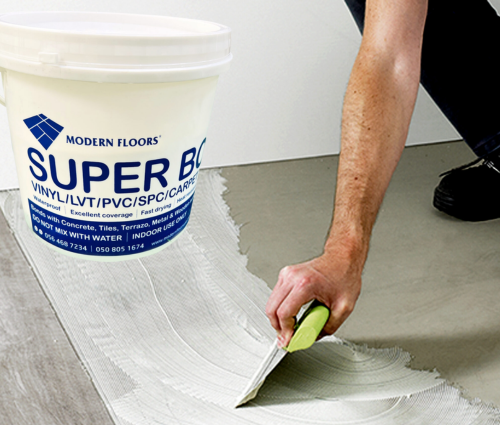
When a service bulletin calls for structural bonding, VIP orders the exact adhesive kit and hardener lot specified, attaches the supplier confirmation to the work packet, and stores the cartridges in a temperature‑controlled locker until use. During repair, the technician weighs each component on a digital gram scale, mixes to the printed ratio, and purges the first bead to eliminate air pockets.
After full cure, another team member peels witness stickers and measures hardness with a calibrated durometer; readings must land inside the bulletin’s tolerance band. Should the value drift, the joint is stripped and rebuilt before reassembly proceeds. This documented loop replaces guesswork with clear metrics, giving any warranty auditor proof that bond strength meets factory engineering requirements for the vehicle’s lifetime.
Ask for Bulletin Proof
When a service bulletin mandates structural bonding, VIP orders the precise adhesive kit, primer, and hardener lot numbers named. The purchase confirmation and manufacturer technical sheet are clipped to the repair packet, then cartridges rest in a climate‑controlled locker logging temperature and humidity. At bonding time the lead technician checks expiration dates, weighs resin and hardener on a certified scale, and mixes to the gram, purging the first bead to expel air.
Primer flash time is tracked with a stopwatch to meet bulletin limits. After cure, a second technician removes witness stickers, photographs the bead, and records Shore‑D hardness with a calibrated durometer; readings must sit inside the specified tolerance band. If values drift, the joint is stripped, surfaces re‑prepped, and bonding repeated. Such records speed insurer approval and preserve corrosion coverage on repaired panels. The entire dataset uploads to cloud storage, giving auditors instant access during surprise warranty inspections.

VIP Hail Service | Plano, TX
Professional Hail Repair
Stay Up-to-date With Our Content
Subscribe to learn more about our mission!