
Hailstone Shape And Your Car


Impact Science
Spiked Stones Versus Smooth Ones

Atmospheric researchers have discovered that jagged hailstones tumble less than their smooth, spherical cousins. With minimal rotation, each icy spike descends like a weighted dart, keeping its pointed end forward and reaching full terminal speed before impact.
Rounded stones spread force across millimetres, usually leaving cosmetic pits, but spiked hail concentrates pressure into microscopic cones that propagate crack networks through windshield laminate, creating what technicians label Type‑B failure. Such breaks rarely accept resin injection and always mandate full panel replacement.
How Shape Alters Damage Profiles
Meteorologists note that spiked hail rotates less during descent, so its sharp tips strike at near‑terminal velocity. Laboratory drop tests measured up to thirty percent deeper penetration into aluminum sheets than equally weighted smooth spheres. The same study found paint films fail sooner under spiked loads, showing starburst cracks radiating outward.
Vehicle glass also fares worse. Smooth stones disperse energy across a wider contact patch, often leaving only surface chips. Spiked hail creates tiny high‑pressure cones that launch crack networks through laminated windshields. Technicians classify those breakouts as Type‑B impacts, which usually require full glass replacement instead of simple resin fills.
VIP Hail Service documents dent depth to the tenth of a millimeter and records paint fractures with polarized lights. Pattern recognition tells staff when hidden brace damage or stretched steel likely lurks beneath what looks like a single ding. Accurate diagnosis guides tool choice and keeps supplements low.
Identifying Shape In Field Inspections
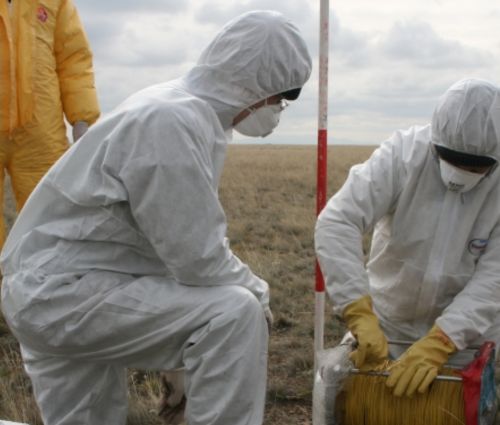
During initial triage, technicians search for clusters of dents punctuated by needle‑sharp centers. That pattern usually traces back to jagged, spiked hail and triggers a magnified search for hairline clear‑coat fractures around each crater. When inspectors instead observe uniform, concentric rings with paint still intact, they log the area as smooth‑stone impact, a scenario that generally finishes faster with standard paintless techniques.
LED line boards then reveal the profile in detail: spiked strikes rise into steep shoulders and tight crowns demanding cautious crown‑release tapping and smaller glue tabs that lift precisely at the pit. Smooth impressions form wider, shallow valleys where broad pull tabs and longer pushing rods restore shape quickly and economically with fewer tool changes and lighter labor.
Paint fractures shift the entire repair equation. A dent might fit textbook PDR dimensions, yet once the clear coat lifts, oxidation and flaking can spread across the panel within weeks, turning a quick push‑to‑perfect job into a full refinish claim. During intake, technicians shine cross‑polarized LEDs and magnify the impact ring to locate pinhole cracks that the naked eye misses.
They tag every compromised spot in the digital map, then add color‑code notes for blend spraying or micro‑blend touch‑ups scheduled alongside dent removal, eliminating the need for a second visit. The mapping software attaches annotated photos straight to the estimate file, so adjusters see exactly where paint work complements PDR and authorize both procedures in one approval cycle. This documentation keeps supplements low, speeds payment, and ensures that repaired surfaces maintain uniform gloss, UV resistance, and long‑term warranty protection after storm damage for years ahead.
Diagnostic Steps At VIP Hail Service
The assessment begins when owners upload high‑resolution photos through the secure portal. Machine vision outlines each impact circle and tags unusually steep depressions for technician review. Once the vehicle arrives, a calibrated depth gauge records every crater. Measurements that top a full millimeter, or display ragged inner rims, signal spiked hail deformation.
A handheld spectrometer then scans painted panels for subtle gloss drops or hairline fractures hidden from casual view. Polarized lamps sweep across glass surfaces, exposing star‑like subsurface networks that ordinary shop lighting misses. Each data point feeds software that builds a line‑item roadmap, directing dents toward paintless repair, micro finishing, or part replacement.
The program also projects labor hours. Deep pits hold metal tension that demands gradual crown reduction, so the schedule expands to prevent high spots. Customers receive a documented timeline with realistic handover dates, avoiding the frustration of optimistic promises that collapse midway. Updates arrive by text so owners track progress without guessing.
Prevention Tips For Spiky Storm Forecasts
Meteorologists issue impact severity indices when radar detects strong updraft rotation capable of producing jagged hail. Drivers should park under solid shelters or even highway overpasses if caught mid‑route.
A thick, quilted car cover adds several millimeters of buffer, enough to blunt tips on golf‑ball‑sized hail. Keep covers strapped tight so wind can’t lift fabric and allow hard ice to sneak underneath. For workplaces without garages, inexpensive pop‑up canopies anchored by sandbags protect roofs and hoods during brief afternoon storms.
Consider scheduling seasonal paint sealant applications. While no coating stops denting, fresh hydrophobic layers can reduce paint chipping by decreasing surface adhesion during impact. Combined with mindful parking habits.
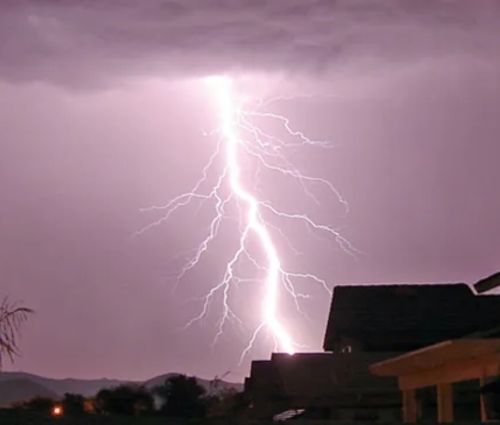
Forecast maps can shift within minutes, turning a light shower into dent‑making hail before you reach the next intersection. Keep your phone subscribed to push alerts from reputable meteorologists so severe‑hail warnings pop up instantly. Stash a compact, padded vehicle cover in the trunk with elastic straps. When the siren sounds, pull to a safe shoulder, unroll the cover, and secure the corners. Those brisk two minutes of preparation can prevent weeks of body‑shop delays and frustrating extra claim paperwork.
Repair Paths For Spiked Versus Smooth Damage
Spiked hail dents demand a layered workflow that begins with controlled warming of the panel to about forty degrees Celsius, reviving paint flexibility so cracks do not propagate under stress. Technicians then nibble down the surrounding crown with nylon tap‑downs, relieving outward tension that would otherwise spring the metal high. Only after that tension break do they introduce ultra slim rods or spoon‑shaped push tools from the backside, making dozens of micro lifts that gradually coax the crater upward without overstretching the steel. Next comes a glue‑pull phase using tiny, bullet‑shaped tabs that deliver pinpoint lift at the dent core, repeating until reflection lines flow smoothly. A final dual‑stage polish removes microscopic scuffs and seals clear coat pores left by the impact.
Smooth hail dents shorten that sequence. Because crowns are shallow, crews can skip tap‑down passes. Wider oval tabs raise valleys in one or two pulls, and finishing rods feather edges to factory contour within minutes, cutting labor times nearly in half and lowering the dollar figure on the estimate.
Vehicles peppered by both styles get a hybrid plan. Deep pits follow the full spiked protocol while shallow impressions receive the rapid smooth treatment. If any spiked strike reveals torn paint, technicians confine airbrush refinishing to thumbnail zones, preserving untouched factory color around it and maintaining lifetime workmanship guarantees
Forecast Tools And Early Booking Advantages

Advanced dual‑polarization radar now estimates hailstone shape by reading echo texture and differential reflectivity layers, revealing whether a storm will drop smooth marbles or jagged spikes. When those algorithms flag a high probability of spiked hail, VIP Hail Service pivots instantly:
extra technicians are called in, mobile estimating tents deploy, and evening intake hours extend past sunset. Drivers who schedule as soon as warnings post secure bay space before complex deep‑pit repairs clog the calendar. Early reservations also freeze baseline labor rates; after a severe outbreak, demand for specialty glue tabs, rental cars, and oversized replacement glass can inflate invoices within hours. Booking inside the first twenty‑four hours protects budgets and helps insurers green‑light claims without delay or added stress.
Key Insights On Hail Morphology
Stone shape largely determines how your vehicle suffers in a storm. Smooth, round hailstones flatten metal with shallow, wide dents that technicians erase quickly using standard paintless techniques. Jagged, spiked hail, by contrast, concentrates force into needle‑point impacts that punch deeper pits, fracture clear coat, and even send glass cracking outward.
Knowing which pattern you face lets estimators choose the right tool path, schedule enough labor, and combine dent removal with spot refinishing only where needed. VIP Hail Service blends AI photo triage with hands‑on gauges to build that custom plan fast. Watch severe‑hail alerts, seek covered parking, and book an appointment right after the clouds clear to save time, protect paint, and control repair costs for long term peace.

VIP Hail Service | Plano, TX
Professional Hail Repair
Stay Up-to-date With Our Content
Subscribe to learn more about our mission!