
Hail Damage and Your Warranty: Protecting Coverage After Every Storm


Warranty Basics
Warranty Exclusions Covering Hail and Other Weather Damage

Hail is classed as an external event, so most factory warranties list it under “acts of nature.” This means repairs for dents, cracked glass, or chipped paint are not paid by the automaker. However, ignoring that damage can still void coverage if rust spreads or sensors fail later.
Owners must read the exclusions section in the booklet supplied at delivery. The clause often states that any unrepaired body damage leading to corrosion cancels rust-through protection. Acting within thirty days of a storm helps keep every portion of the warranty intact.
Manufacturer Warranty Coverage Steps After Major Hailstorm
First, verify which warranty segments remain in force. Power-train coverage still applies if engine, transmission, and driveline components were not disturbed, but corrosion and paint protection can disappear the moment hail dents chip through clear coat and expose bare metal. Extended service contracts also impose deadlines: many require a factory inspection within 60 days after the storm or coverage for body-related failures automatically drops.
Second, gather hard evidence while the scene is fresh. Photograph every damaged panel in bright, even light, include a visible date stamp, and capture the vehicle identification number on the dash.. File the insurance claim immediately and record the claim number. Service advisors will upload these photos and documents to the manufacturer’s portal, confirming that sudden weather not owner neglect caused the damage.
Third, book certified repairs without delay. Waiting longer than 90 days often triggers an exclusion for “progressive deterioration.” A detailed invoice from a reputable hail-repair specialist proves prompt action, keeps rust at bay, and preserves all still-active warranty terms for the rest of the coverage period.
Dealer Responsibilities During Warranty Claims
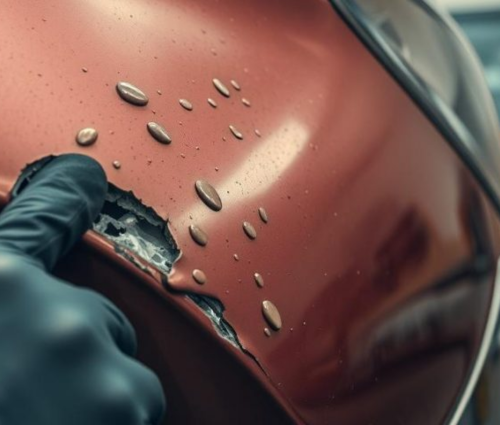
Dealership service departments must log every hail-event report in the factory warranty database. During intake they measure paint thickness, photograph each panel, check for evidence of bodywork or creeping corrosion, and note sensor codes. They also record odometer mileage and date for audits. When they see fresh dents but no rust, they annotate the file and mark the vehicle “eligible,” assuring the power-train, electronics, and safety-system warranties stay active.
Advisors then outline what falls outside factory obligations. A dented aluminum hood, for instance, is classified cosmetic, so replacement costs rest with the owner, yet a misaligned hood latch that interferes with an active safety recall remains covered. The technician’s signed inspection sheet documents these distinctions, shielding both dealership and customer.
Timely communication safeguards every remaining warranty segment. A dealership service manager must upload a structural-integrity report to the manufacturer’s portal on the same business day that damage is identified if roof bows, pillars, bumper reinforcements, or intrusion beams show distortion. A delay as short as 10 days can trigger an automatic “corrosion risk” flag, fully suspending paint-through and rust-perforation coverage. Owners should insist on receiving a printed inspection summary before leaving the service drive.
The sheet records date, odometer, panel condition, and any corrosion, deformation, or sensor faults. Filing that document with insurance photos creates a complete audit trail. When the customer files a supplemental claim or negotiates trade-in value, the dated inspection proves the vehicle remained structurally sound right after the storm, preventing manufacturer or dealership staff from attributing later rust or alignment problems to neglect. One carefully preserved page can save thousands in denied warranty claims.
Hail Versus Wear and Tear Damage
Warranty administrators separate sudden-impact incidents from gradual wear. Hail dents qualify as a single, date-stamped event, easily verified with local meteorological data. By contrast, scratches that slowly evolve into rust signal neglect. Supplying weather-service storm summaries, radar maps, and same-day photographs locks the claim firmly in the sudden-impact category and avoids costly debates.
Insurers pay to remove impact dents; the manufacturer keeps covering power-train, electronics, and emissions systems. Blurring categories by providing incomplete documentation stalls approval because evaluators must verify the root cause. Attach time-stamped images, storm reports, and any police or insurance entries to the warranty inquiry so reviewers classify damage correctly at the first pass and speed claim processing.
After repairs, avoid parts that can compromise sensor accuracy. Non-OEM windshields without factory infrared coatings or acoustic layers can distort camera calibration and instantly void lane-assist coverage. Request only components labeled “OEM equivalent,” insist on written certification from the supplier, and store receipts with the service file. These steps preserve the warranty and prevent future liability.
Essential Proof Requirements to Secure Warranty Approval Quickly
Service advisors require three precise documents: time-stamped storm photos, the insurance claim number, and a written repair estimate from a certified hail specialist. Missing even one slows approval. Photos establish the event date, the claim number verifies insurer validation, and the estimate confirms the dented panels are repairable.
Email clear digital copies before your appointment, then present original documents on arrival. Advisors upload each file to the manufacturer portal; once the record shows “received,” it immediately proves you acted promptly and keeps every remaining warranty clause in force.
Finally, scan every item and store duplicates in secure cloud storage. Having instant digital access prevents costly delays if paperwork disappears during future dealership visits.
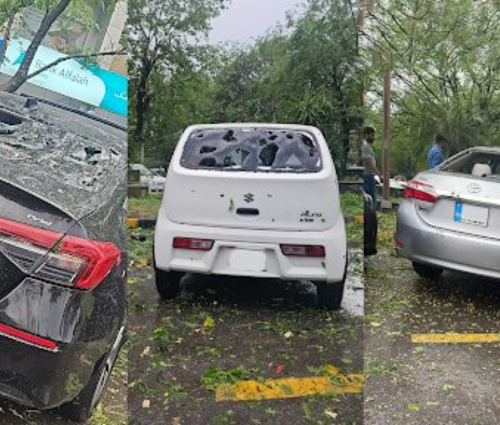
Keep every receipt until the warranty period ends. Should corrosion appear years later, those invoices demonstrate certified repairs were completed promptly and to factory standards. A well-organized file—photos, invoices, calibration sheets, paint gauges gives warranty administrators instant proof the damage was addressed rather than ignored, eliminating lengthy investigations. Dealers can upload your documentation to the manufacturer portal in minutes, allowing approval decisions days faster and sparing you weeks of back-and-forth phone calls. That evidence protects resale.
When Insurance and Warranty Coverage Coordinate After Hail
Insurance covers the visible hail repairs, while the factory warranty protects concealed power-train, electronics, and corrosion provisions. File the insurance claim within 72 hours of the storm to meet most policy deadlines. The adjuster documents every dent, authorizes paintless dent repair or replacement panels, and issues a work order. Fast filing keeps rental-car allowances intact and prevents the insurer from labeling fresh corrosion as pre-existing neglect.
Once work is finished, request a signed statement from the repair shop confirming structural integrity, paint thickness, and sensor calibration all match factory values. Deliver this certificate to the dealership so service personnel upload it to the manufacturer’s database. Many rust-through warranties demand documented adherence to OEM repair procedures; without the certificate, the claim can be rejected years later even if the repair itself was flawless.
Schedule a follow-up inspection six months after delivery. The dealer rechecks panel alignment, clear-coat depth, and radar bracket torque against original build data. If every metric stays within tolerance, the warranty remains fully active; otherwise, corrective work is ordered under corrosion coverage before problems spread. This brief visit often lasts under 30 minutes yet eliminates future disputes by creating a mid-term health snapshot that finance managers and resale appraisers readily accept..
Choosing Certified Repair Providers for Warranty Protection

Choose a hail-repair facility carrying full manufacturer certification. Certified shops photograph each stage, log tool selections, and follow factory torque values on radar and camera brackets. Their invoices list OEM part numbers, curing temperatures, and technician IDs details that satisfy warranty auditors quickly. Ask how many vehicles of your make they repaired last season; figures above 100 signal deep familiarity with brand procedures.
Confirm technicians hold current paintless-dent repair credentials and receive yearly refresher training on structural adhesives and high-strength steel. When dropping off the car, review the repair order: it should specify panel material, chosen method, and the statement “OEM guidelines observed.” Upon pickup, request the final quality-control sheet showing panel gaps within factory tolerance.
Essential Quick Steps to Take After Hailstorm
First, photograph every exterior panel from multiple angles within one hour of the storm. Clear, time stamped images capture the exact condition and protect you if corrosion forms later. Second, file the insurance claim online the same day and attach the photos so the system logs a verifiable event date. Third, book a certified hail inspection with your dealership inside seven days so the advisor can document dent locations in the factory portal and confirm that powertrain coverage remains active.
Fourth, select a factory approved repair center and deliver the vehicle within thirty days to avoid warranty clauses that classify delayed action as neglect. Fifth, after work is finished, obtain a signed post repair inspection report showing structural integrity, paint thickness, and sensor calibration within OEM limits. Save every file including photos, claim forms, invoices, and inspection sheets in secure cloud storage. Following these five disciplined steps keeps your warranty valid and preserves future resale value.

VIP Hail Service | Plano, TX
Professional Hail Repair
Stay Up-to-date With Our Content
Subscribe to learn more about our mission!