
How Hail Damage Dramatically Lowers the Expected Trade-In Vehicle Value


Vehicle Valuation
Why Visible Hail Dents Dramatically Slash Vehicle Appraisals
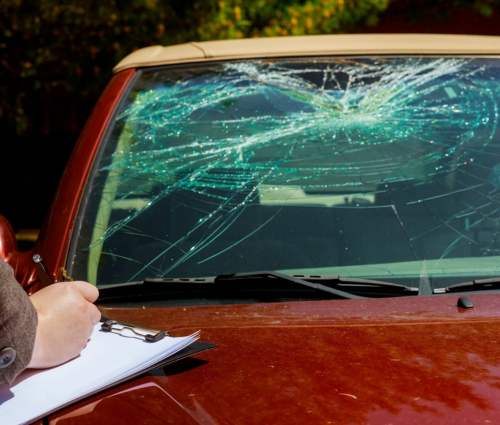
Hail dents may look merely cosmetic, yet dealership appraisers know each visible ding reduces auction desirability. They factor reconditioning, transport, and buyer perception into every offer, so even light bruising can cut thousands from a late-model car’s expected wholesale price.
Private buyers are equally wary; surface damage signals possible neglect and future costs, prompting lower bids or outright walk-aways. Because trade-in managers target quick turnaround, they subtract projected repair labor from the book value, then trim further to cover profit margin for the dealership and owners alike before negotiations even begin.
Inspection Data Drives Trade Decisions
Modern appraisal software begins with high-resolution inspection cameras that catalog every dent by size and depth. The system calculates square-inch impact and exports a color-coded map that tells the used-car manager whether repair costs warrant wholesale, retail, or auction. This objective record leaves little room for haggling over cosmetic severity.
Mileage, model year, and demand curves then layer onto that damage score. A family SUV with minor hail can still sell briskly, so the tool applies a light deduction. A sports coupe heading into winter, however, already faces soft demand; hail pushes it below dealer interest, triggering a straight auction recommendation.
Insurance data also feeds the algorithm. If an open claim exists, the appraiser subtracts pending payout because the dealer must wait for repairs. When no claim is filed, they assume full remediation costs. This binary variable alone can swing valuations by a thousand dollars on mid-size sedans and far more on trucks. Time sensitivity therefore incentivizes owners to settle damage promptly before presenting the vehicle for quote.
Dealer Cost Calculations Explained
Franchise dealers budget hail repairs in three blocks: labor, materials, and opportunity cost. Labor reflects technician hours at regional collision rates, often discounted if paintless methods apply. Materials cover glue tabs, clips, primers, and blending paint. Opportunity cost equals daily floorplan interest plus any advertising spend wasted while the car sits unsellable.
To hedge risk, the manager lowers the offer price by the sum of projected expenses and tacks on a buffer for unforeseen supplements. This buffer, commonly fifteen percent, protects gross profit if hidden roof rails or electronics emerge during tear-down. Consequently, a sedan with $1,200 estimated damage might see $1,380 docked from trade value, a difference many owners only unearthed when paperwork prints right before final signatures seal the agreement.
Independent used-car lots perform similar math but face tighter cash constraints. Without factory floorplan assistance, every extra day on the curb strains financing lines. Hail damage slows photo uploads to online marketplaces, meaning fewer leads. To compensate, buyers set a maximum purchase figure that assures immediate retail after minor cosmetic touch-ups. Any unit exceeding that threshold is passed to wholesaler lanes.
Auction houses, meanwhile, apply stringent deduction grids visible to every bidding dealer. Vehicles arrive with condition reports noting each dent’s diameter; deductions escalate quickly beyond nickel size. Even if a buyer intends to do paintless repairs later, the auction algorithm already reduced the baseline price, creating a compounded loss for the original owner. Traders who repair hail before consignment often recover close to book, proving that timely dent removal is the cheapest path to preserving equity at sale for sellers.
Repair Options vs. Value Return
Paintless dent repair restores factory finish without body filler, making it preferred by appraisers who scan paint thickness. A car fixed using PDR shows no blend lines, so valuation tools treat it as undamaged, protecting residual values and lease turn-in scores. Costs are also lower, often under insurance deductibles.
Traditional bodywork, however, replaces panels and sprays new paint that future buyers can detect under sunlight, even when perfectly matched indoors. Added materials and labor inflate repair bills, and lengthy cure times mean extra rental expenses. Dealers adjust offers downward accordingly, fearing color mismatch claims or corrosion issues years later.
Hybrid approaches mix PDR on accessible panels with replacement for severe roof damage, balancing cost and originality. Appraisers reward this strategy when documentation clearly separates untouched areas from repainted sections, because it limits exposure. Owners should gather before-and-after photos, invoices, and any lifetime PDR warranties to present during trade negotiations, reinforcing confidence and reducing blanket deductions. Such preparation can restore several hundred dollars on average appraisals.
Paintless Repair Protects Resale
Because Paintless Dent Repair reshapes metal rather than covering damage, it eliminates filler shrinkage that can reappear months later as wave patterns and compromise resale inspections. The original ecoat remains sealed, guarding against hidden rust on inner seams.
In auction settings, scanners measure paint thickness to confirm originality. Vehicles repaired with PDR show uniform readings, earning higher condition grades and attracting franchise dealers who pay premium bids for front line readiness. That direct correlation translates into stronger private-party sale prices as well.
Finance companies also reward unpainted panels with better residual forecasts, lowering lease penalties if your term ends after a storm season.
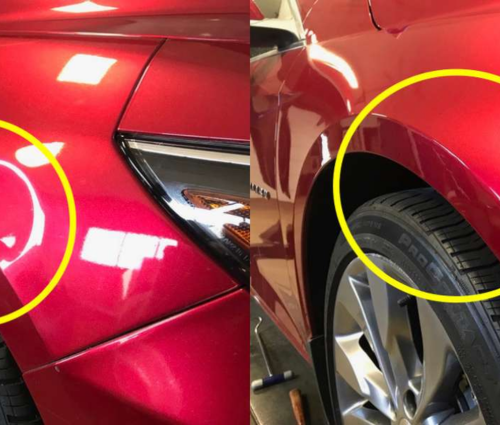
Owners sometimes reject small dent repairs thinking insurers will total the vehicle later, but hail rarely meets that threshold. Meanwhile, unrepaired damage compounds depreciation each month. Spending a few hundred dollars on timely PDR often yields a far higher return at trade-in, especially when combined with service records and a clean interior. Dealers notice presentation first, and a flawless roof can shift their initial bid upward before they even pop the hood.
Timing Claims to Maximize Offers
Insurance deadlines vary by policy, but most carriers require a claim within twelve months of a hail event. Filing early accelerates payment and, more importantly, locks in damage documentation before secondary dings appear. Adjusters will not add newer bruises later, so procrastination can leave owners footing partial repair bills.
Seasonal timing impacts market dynamics as well. Submitting repairs in early spring maintains completion long before autumn trade-in spikes, when dealers restock lots for holiday shoppers. A vehicle that rolls onto the appraisal lane in October with fresh factory finish enjoys better placement in certified-pre-owned programs, boosting offer amounts. The same car with visible hail dents will likely be redirected to wholesale, sacrificing hundreds if not thousands in profit.
Market reports show that corrected cosmetic issues elevate Black Book condition grades by half a point on average, translating to roughly four percent higher trade offers. For a thirty-thousand-dollar truck, that equates to twelve hundred dollars far exceeding typical PDR invoices. Combine that premium with reduced rental costs by booking repairs during insurer slow seasons, and the financial argument becomes undeniable. Early action also preserves scheduling flexibility, letting owners align drop-offs with vacations instead of scrambling for rideshare options. Plus, verified work records impress lenders evaluating trade equity.
Documentation Buyers Want to See

Before visiting the dealership, compile a digital folder containing the insurance settlement letter, repair invoice, and time stamped before-and-after photos. These documents prove the hail event date and confirm that certified technicians performed the work, satisfying both structural and corrosion assurances. Presenting them upfront removes skepticism and accelerates appraisal walk-around time.
Add maintenance receipts showing regular oil changes and tire rotations to demonstrate overall care; a clean service history can offset minor cosmetic blemishes that remain. If PDR carries a lifetime guarantee, include the certificate so the next owner knows coverage transfers. Finally, keep the vehicle washed and interior detailed; a well-presented car reinforces the narrative that hail was an isolated incident, making the paperwork even more convincing during the appraisal process.
Essential Moves Before Your Trade-In Appointment
Inspect your vehicle under bright cross-lighting to reveal hidden roof or deck-lid dents. Photograph every mark, then compare the images with your repair invoice; if anything is missing, return to the shop while the warranty still applies. Next, secure a real-time quote from a reputable online buyer to establish a solid pricing baseline before visiting the dealership. This extra data further strengthens your negotiating position.
Time the appraisal early in the week, before buyer quotas fill. Bring the car spotless and warmed up so distractions are minimal. Hand the documentation over, ask for the best offer first, and be willing to walk; that simple pressure can unlock several hundred extra dollars and secure your trade sooner. Ready to maximize value? Book a free hail-repair evaluation with VIP Hail Service today.

VIP Hail Service | Plano, TX
Professional Hail Repair
Stay Up-to-date With Our Content
Subscribe to learn more about our mission!