
How Seasonal Hail Patterns Influence Annual Auto Repair Demand Trends


Market Trends
Why Hail Season Spikes Shop Volume
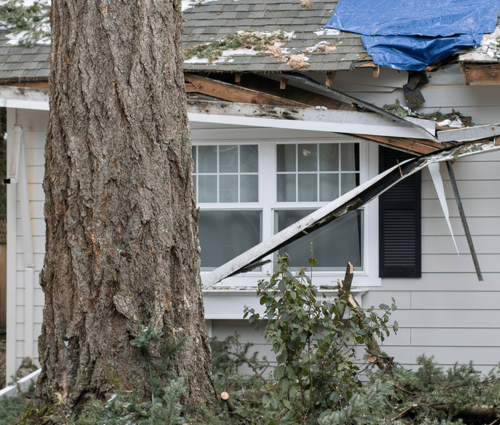
Spring and early-summer storms across North Texas bring the year’s heaviest hail, triggering an immediate rush of damaged vehicles to local body shops. Many drivers wait until the first large storm to act, which means repair schedules fill within hours.
Auto repair demand falls sharply by late summer, only to rise again during the fall cold-front season. Understanding this pattern lets owners plan ahead: schedule estimates before peak months, secure rental-car coverage early, and consider Paintless Dent Repair to shorten shop time and avoid the longest insurance approval queues.
Optimal Scheduling Tactics for Hassle-Free Seasonal Auto Repairs
Most hailstorms roll through North Texas between April and June, instantly doubling every insurer’s workload. Submitting clear photos and a repair estimate in March positions your file ahead of the onslaught. Even a two-week head start can trim several days off claim authorization and return your vehicle sooner, because adjusters process submissions strictly in the order received.
Body shops respond by hiring seasonal technicians each spring, yet bay capacity still caps out within hours when back-to-back hail cells sweep the region. Reserve your repair slot the moment your claim is approved to lock in parts availability, rental-car coordination, and precious technician time, particularly if cracked glass or paint matching will be necessary.
Drivers living beyond the Dallas hail corridor can avoid shop traffic by requesting a mobile assessment. Technicians meet you at home or work, create electronic damage matrices, and upload them directly to your insurer for almost immediate acceptance. Schedule that visit as soon as forecasts hint at large hail; once the first storm lands, mobile slots disappear fast.
Why Insurance Demand Surges in Spring
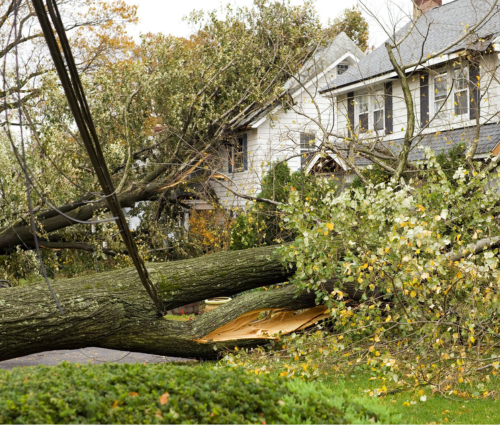
Insurance adjusters also track hail seasonality. During peak months they reassign staff from low-risk regions, yet average claim processing still climbs from two days to nearly a week. Providing detailed panel-by-panel photos and a documented damage matrix from the repair shop helps your file move faster. It also lowers the chance that hail-dented panels will rust while waiting for shop space.
For high-volume storms, carriers often authorize auto hail repair estimates sight-unseen when the shop has a track record of accurate pricing. Choosing a provider with that reputation means your approval lands minutes after submission, not days, and you can drop the vehicle off immediately. That speed reduces rental fees and prevents secondary damage from moisture seeping into cracked paint.
Late-season hailstorms in October often collide with dropping temperatures, and the colder metal fights back against Paintless Dent Repair. Technicians must gently warm each panel so it flexes instead of fractures, adding roughly ten percent to individual repair times. Customers who authorize weekend sessions give shops freedom to run night or Saturday shifts, helping throughput stay steady despite the extra minutes per dent.
At the same time, suppliers pivot toward stocking bumpers and headlights for winter collisions, making hail-specific trim, moulding clips, and fasteners harder to find. Placing orders immediately after a storm secures remaining OEM components and prevents substitutes that can compromise fit, finish, and resale value. If an insurer must issue supplements because prices changed while parts were on backorder, the claim can stall an additional one or two days. Understanding these seasonal inventory turns is as essential as watching the weather radar.
Supply Chains and Technician Availability
Hail season also collides with summer vacation scheduling, thinning the ranks of skilled PDR technicians just as demand peaks. When tech numbers drop, repair shops triage jobs, giving priority to drivable vehicles with moderate damage while heavily battered cars wait. The backlog can add storage fees at partner lots and frustrate commuters.
During calmer months, shops recruit mobile technicians from out-of-state hail corridors. These specialists help clear the queue quickly, but they book up long before major storms form. Requesting an early reservation fee guarantees their spot on your repair; otherwise, you may wait until they finish larger contract jobs for rental fleets and dealer groups, stretching your timeline by weeks.
Parts availability ties directly into technician efficiency. Without correct clips and seals, a PDR tech must pause work, reassemble panels loosely, and move on to the next car. Linking your claim to a shop that tracks supply in real time keeps workflow constant and speeds final delivery. A consistent parts pipeline can shave two hours off each job, multiplying across dozens of cars.
Schedule Hail Repairs Early to Avoid Storm Peaks
Each time-stamped image confirms fresh hail dents versus older door dings, easing insurer pushback about pre-existing damage. That clarity often removes a second inspection, saving adjuster travel and keeping your claim moving.
Drivers who invest just ten minutes in this early documentation step typically see repair turnaround times of five to seven days, even when multiple hail cells hammer the region. It remains the simplest and most effective way to stay ahead of the spring repair rush, avoid unnecessary delays.

If you missed the pre-season window, set up a digital claim immediately after the storm and ask whether the shop offers onsite triage. Technicians can measure dent size, count panels, and submit an estimate in under 20 minutes, keeping your place in line while you continue using the vehicle. This approach is especially useful for rideshare drivers who can’t afford extended downtime. By the time your drop-off appointment arrives, approvals, parts ordering, and rental arrangements are already finished.
Smart Use of Paintless Dent Repair
PDR thrives in moderate temperatures and on panels where paint remains intact. Scheduling during late spring’s warm but not scorching days helps metal flex more easily under the technician’s tools, cutting repair sessions by minutes per dent. Faster repairs lower labor costs and free the bay for the next vehicle. During extreme heat, panel glue tabs lose grip, forcing techs to switch methods and lengthening sessions another seasonal factor owners often overlook.
Another advantage of PDR is its minimal reliance on supply chains. Because no new panels or paint are required, you avoid shipping delays that plague traditional bodywork in peak hail months. Your car also retains its original factory finish, preserving resale value and avoiding mismatched paint issues. It also means fewer VOC emissions, aligning with stricter summer air-quality regulations in many Texas counties. Less paint also cuts cure times, allowing you to reclaim your car sooner.
Finally, many insurers waive deductibles when you choose a preferred PDR provider with established billing agreements. That incentive saves money and shortens claim processing. To maximize these benefits, ask your adjuster whether a direct-repair option is on file before selecting a shop. Securing that waiver early prevents last-minute billing confusion.
Off-Season Repairs Offer Savings and Added Benefits
Between November and February, hail reports dip, and repair shops advertise pricing incentives to keep technicians working. Discounted deductibles, free rental coverage, or complimentary detail services can add significant value if you can spare the vehicle for a few days. Shops may even waive storage fees entirely, a hidden charge that often surprises owners when demand spikes.
Scheduling off-season also means inspection bays and paint booths are less crowded, reducing the risk of incidental scratches or overspray. Plus, insurers process claims faster because adjusters are not juggling hundreds of storm files. Combine these perks with common hail repair myths to make an informed decision. You’ll also find more flexible appointment times, letting you align drop-offs with holidays.
Key Takeaways for Vehicle Owners
Seasonal hail patterns influence everything from claim approval speed to technician availability, so use that knowledge wisely. File estimates before April, arrange parts and rental coverage early, and choose Paintless Dent Repair to avoid supply bottlenecks. Follow long range forecasts; if meteorologists predict an active hail year, schedule work during calm weeks between storm clusters instead of waiting for the final barrage. Smart timing alone can shave days off repairs and keep your car on the road.
Missed the prime window? Target the quiet winter months when rates drop, adjusters clear claims faster, and shops provide perks to keep crews working. Whatever the season, follow clear post hail steps and partner with a trusted repair team to control costs and protect resale value. Ready to act? Call VIP Hail Service today to book an assessment and lock in priority service before the next storm hits.

VIP Hail Service | Plano, TX
Professional Hail Repair
Stay Up-to-date With Our Content
Subscribe to learn more about our mission!