
Choosing the Right Dent Puller


Tool Guide
Force Control Fundamentals Explained in Practice
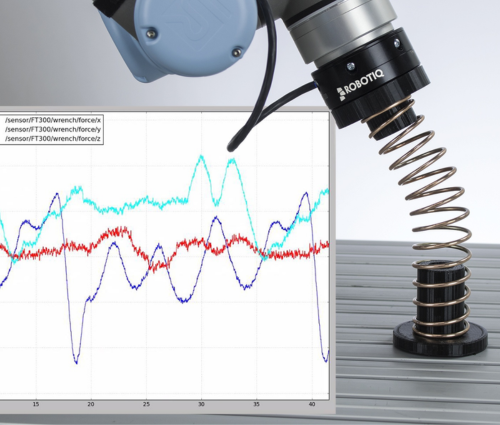
Electric pullers work with geared motors that ramp up from zero to peak pull strength. Technicians enter exact kilogram targets on a digital pad. Air powered guns deliver force instantly by channeling compressed air through a valve to slam a piston. These features form the core of control and safety in hail repair.
Batteries let electric lifters roam freely and weigh under two kilograms. Pneumatic tools stay tethered by hoses to compressors but run continuously without downtimeShops choose equipment based on dent depth panel material and technician preference. Glue bond integrity also guides tool selection.
Power Profile Comparison for Dent Pullers
Electric pullers ramp smoothly to full force over about two seconds. This controlled slope reduces shock waves that can release weak glue or stretch thin panels. Slow application preserves panel memory and maintains bond strength. Technicians appreciate consistent pulls especially on sensor dense areas. Pneumatic guns deliver rapid force spikes ideal for stubborn crowns but risk overstretch on delicate aluminum.
Electric motors hold tension indefinitely which is useful for lifting micro dings without repeated triggers. Air cylinders exhaust after each stroke requiring repeated pulls that can fatigue wrists. However the cooldown between cycles can stabilize glue viscosity. Surge events favor continuous air tools while precision work suits electric units for their predictable performance.
Battery powered electric lifters weigh under two kilograms and operate cordlessly allowing technicians to move around large vehicles easily. Pneumatic guns require hoses linked to compressors which add weight and restrict mobility. Shops often enclose compressors in insulated cabinets to minimize noise and maintain consistent line pressure ensuring steady air output for reliable pneumatic performance.
Ergonomics Benefits and Performance Consistency

Electric triggers require gentle pressure and supply vibration feedback signals that lower muscle fatigue during long shifts. Pneumatic valves demand firmer squeezes and cause recoil that can strain shoulders and wrists. To manage fatigue shops rotate operators between tools and schedule breaks. Many technicians prefer electric units when tab count per panel is high as consistent feedback ensures predictable pull strength over hundreds of lifts.
New smart electric models log each pull giving managers data on force variation per technician. Air systems depend on stable regulator settings yet fluctuations in line pressure can alter output without warning. This can affect quality when conditions change. Consistent shop maintenance is essential for pneumatic reliability.
Electric pullers generate heat slowly which warms tabs gently and keeps glue viscosity stable across multiple lifts. In contrast air exhaust chills the working area sometimes stiffening bonds mid job. Technicians adjust by using softer adhesive compounds or by applying a brief heat lamp across the panel before lifting. These steps help maintain consistent bond strength and reduce failed pulls during high volume hail repairs.
Portability also influences workflow efficiency. Battery packs reload during breaks and can power a complete roof session without interruption. Pneumatic units need compressors that run continuously but generate noise in the bay. VIP insulates and houses compressors in soundproof cabinets to meet decibel targets and maintain focus during detailed panel inspections. They also maintain pneumatic moisture traps to protect tool internals.
Best Application Scenarios for Each Puller
Shallow dime sized dents on aluminum hoods respond best to electric pullers. The gradual ramp minimizes overstretch and preserves panel memory. Gradual force also protects factory radar and camera modules behind liftgates. Technicians use digital settings to apply just enough tension without risking connector seating or panel distortion. This makes electric units ideal for precision repairs.
Steel truck beds with quarter inch to half inch hail pits benefit from pneumatic snap pulls. The near instant force spike efficiently breaks old glue bonds and lifts stubborn crowns in thick steel. This speeds up repairs on fleet vehicles where cycle times matter. Technicians often pair high flex tabs with pneumatic guns to reduce overpull risks on steel substrates.
Modern crossover panels often mix aluminum liftgates and steel rails. Shops use electric pullers on areas near sensors and pneumatic guns on robust structural rails. This dual approach protects electronics and exploits tool strengths in one session. VIP Hail Service configures carts with both tools and color codes each dent ensuring technicians switch between methods to protect panel integrity.
VIP Standard Dual Tool Workflow Steps
Each bay at VIP Hail Service holds an electric lifter and a pneumatic gun mounted on opposite sides of the tool cart. Technicians mark each dent with colored pens blue for motor pulls and red for air shots. This color code speeds teamwork during busy hail repair days.
Before work starts the lead tech reviews panel thickness charts and sets electric lifter torque and air regulator pressure to the limits in OEM bulletins. Second technicians check battery levels and drain moisture traps to prevent tool damage.
During lifts strain gauges track force and flash readings on tablets when thresholds exceed safe values prompting cooling intervals or adhesive changes. Session data then syncs to cloud logs for customer reporting.

At the end of each session VIP Hail Service compiles logged force data and tool usage into detailed charts. Reports include pull curves and color coded summaries for every dent. Customers receive these reports digitally or in print boosting trust by showing how each pull matched factory recommendations. Technicians review the data to identify areas needing extra passes or tab changes. That feedback loop refines processes and reduces repair times.
Detailed Force Curve Analysis Techniques
Electric motor drives generate bell shaped force curves with a controlled ascent phase. VIP tests each lifter using a calibrated spring bar recording kilogram increases every tenth of a second. These curves become part of a reference library allowing technicians to match future pulls to proven safe slopes. Technicians consult this database to ensure new repairs follow established profiles that protect panel integrity while achieving effective glue release.
Compressed air force profiles resemble rectangles with rapid surges to peak pressure and sustained plateaus. The quick rise can shear aged glue bonds making standard tabs prone to detachment before lifting finishes. To counter this technicians select high flex adhesive tabs that withstand impact spikes and sometimes preheat the panel area. Preheating restores glue pliability reducing early failures and improving pull consistency on rigid panels.
Comparing electric and pneumatic force graphs carefully guides tool choice on each panel. Technicians review real time or stored curves to assign the optimal puller for material thickness and dent profile. By matching force slopes and peak values to panel specifications the risk of overpull and metal stretch decreases. This data driven approach also informs final polishing passes ensuring a smooth surface without micro waves or tears.
Maintenance Requirements and Cost Factors

Electric tools require occasional firmware updates and routine gear lubrication to maintain smooth operation. Battery packs handle roughly eight hundred charge cycles before capacity drops so VIP rotates packs evenly to extend overall life. Downtime is minimal limited to charging and scheduled software checks. Proper maintenance ensures electric lifters deliver consistent performance and reduces unexpected failures during hail repair surges.
Pneumatic guns need daily airline oil drops and quarterly seal kit replacements to prevent leaks. Compressors undergo annual tank inspections and filter changes to meet safety and performance standards. While these services add expense pneumatic systems offer unlimited runtime for large scale repairs.
Choosing The Right Tools With Purpose
Electric lifters excel on delicate aluminum panels and areas with embedded sensors by delivering measured forces that respect electronic connectors and thin metal memory. Technicians use preset force profiles to avoid overstretch and panel distortion. Pneumatic guns shine on thicker steel surfaces where rapid force spikes break stubborn glue bonds and lift large dents quickly. This dual tool strategy ensures each dent receives the optimal approach based on material thickness and repair urgency.
VIP Hail Service maintains a balanced inventory of both electric and pneumatic platforms. Each dent is color coded to indicate the chosen tool and force method. Every pull is logged to track performance and verify that forces match factory allowances. This data driven record supports insurance documentation and quality assurance. By matching tool characteristics to dent requirements VIP delivers efficient repairs while preserving panel integrity and client confidence

VIP Hail Service | Plano, TX
Professional Hail Repair
Stay Up-to-date With Our Content
Subscribe to learn more about our mission!