Dry Ice vs Professional PDR: Myths Debunked


PDR Basics
Why DIY Freezing Fails On Hail
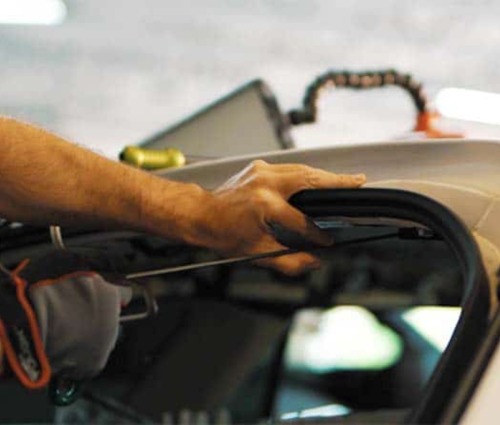
Dry ice dent tricks rely on rapid temperature swings to pop metal outward. On tiny hail impacts, that shock rarely reaches the stretched center that needs controlled movement. Instead, the panel expands and contracts unevenly, leaving the low unchanged and risking new highs.
Paint systems also dislike extreme cold. Clear coat can craze, wraps can harden, and sensors near roof and hood panels may be affected by condensation. Professional paintless dent repair uses directed pressure and glue pulling, not guesswork. The goal is measured metal movement, crown relief, and preserved factory paint.
Dry Ice Myths vs Shop Reality
Myth one says dents simply pop back when super cooled. Metals in modern vehicles carry memory but also work hardened at the impact. Hail dents include crowns that lock the low in place. Without relieving that tension, the center refuses to rise. Cooling alone ignores the mechanics that created the damage. Glue pulling or controlled pushes free the crown before the low can return.
Myth two claims dry ice is safe for all paints. Matte and satin clears can blush, and older repaints can micro crack from shrinkage. Plastic roof accessories and windshield trims can become brittle. Professionals control temperature with heat and cooling within safe windows, always reading the surface under lights.
Myth three promises quick, free results. In practice, repeated freezing sessions waste time and can make a later repair harder by stressing the area. Technicians use mapped dent counts, tool leverage, and tap down sequencing to move metal deliberately. That plan protects coatings, trims labor, and finishes panels consistently. Lighting checks between cycles verify progress and prevent overcorrection.
How Professional PDR Actually Works
PDR reshapes metal by pushing from behind or pulling from the surface, then relaxing crowns with tap downs. Tools are chosen for access paths under the hood, roof, or rails. Soft tips start movement, sharper tips finish detail. Each pull or push is small, measured, and verified under reflection boards. Access points are protected with covers, and headliners are lowered evenly to avoid creases and sensor strain.
Temperature is managed, not guessed. Panels are warmed to encourage plasticity, then allowed to cool naturally so the shape settles. Glue selection, tab size, and pull direction are adjusted to the dent’s vector. When movement stalls, the plan changes, not the force. The result is restored contour and intact factory paint. Final blending removes micro highs for a clean read under lights.
DIY dry ice introduces thermal shock. The face of the dent cools rapidly while nearby metal remains warmer. That gradient can stiffen the low and encourage oil canning around it. On repainted panels, sudden contraction may print hairline cracks or dull spots into the clear. Those flaws typically require repainting, defeating the point. On aluminum panels, uncontrolled freezing can worsen springback, making later reshaping less predictable. Plastic bumpers do not respond to dry ice at all.
There is also safety. Dry ice contact can burn skin and concentrate carbon dioxide in enclosed areas. Condensation can drip into lamp housings or sensors. Professionals monitor temperatures, use safe solvents, and manage moisture during glue release. Documentation with photos and dent counts helps align estimates with the work so claim approvals stay on track. Shops protect airbags and electronics when lowering headliners, following battery procedures and scan tool steps that DIY methods ignore.
Reading Results Under Proper Lighting
Dry ice attempts are judged by the same standard as professional work, the panel must read straight under controlled lighting. Reflection boards reveal whether the low is truly gone or whether tiny ripples remain. Many DIY outcomes show a raised center with trapped crowns that only appear under the right angle.
Technicians read lengthwise and crosswise to confirm shape, then compare to adjacent panels for symmetry. If a roof skin still shows tension near braces, a sequence of tap downs and micro lifts resets the panel. This progressive method keeps metal within its elastic limits and prevents the soft, unstable feel called oil canning.
Final checks include sensor status, trim fit, and panel temperature return. Any micro highs are softened with blending to level the image lines. When documentation is complete, owners get photos that mirror what the adjuster will see. That clarity shortens approvals and reinforces why dismantling myths about dry ice protects both paint and value. Clean handoffs and notes also help future claims or resale inspections.
Common Situations And Best Choices
Very small, shallow dings on open steel can shift slightly with temperature changes, but that is not hail. Hail dents have crowns that lock the center. Freezing may hide the low briefly, returning when the panel warms.
Sharp, deep dents on roof skins or near braces demand professional access. Technicians combine glue pulls to relax the area with controlled pushes from behind. This keeps movement targeted and avoids stretch.
Aluminum panels respond differently.Broader lifts and slower cycles shape the area without creating highs. Professionals manage heat windows and tool tips carefully. The common thread, metal should move in measured steps with light checks between cycles, not with repeated shock from dry ice.

Insurance outcomes depend on clear documentation, not tricks. If dry ice leaves ripples or cracked clear coats, the file can grow with extra costs and longer timelines. A clean PDR plan shows dent counts, access notes, and progress photos under lights. That clarity protects factory paint, keeps estimates aligned with the work, and moves approvals faster than any quick fix that hides problems for a day. Choose predictable results with measured metal movement.
Cost, Time, and Repair Outcomes
DIY seems cheaper at first because dry ice is inexpensive and videos make results look instant. The hidden costs show later. If a panel gains micro cracks, you face repainting or panel replacement that far exceeds a proper PDR estimate. If ripples remain, resale and lease inspections can flag the issue, inviting deductions.
Professional PDR pricing tracks dent size, depth, and count by panel, with adjustments for aluminum, bracing, and access time. Because factory paint stays, there is no blend or color match time. Cycle time is shorter when panels qualify, which can reduce rental days. Shops also stage workflow to cover many panels in one appointment. Where minor trim or headliner access is required, the steps are documented and reinstalled to factory fit, avoiding surprises.
Outcomes differ as much as the methods. Dry ice depends on luck, hoping temperature shock frees the low. PDR depends on plan, lighting, and technique. It combines glue pulling, precise pushes, and tap down relief to move metal without stretch. That makes finish quality predictable across roofs, hoods, and rails, and preserves value during ownership and at sale. Final inspections include sensor checks and photo documentation that mirrors what an adjuster expects, which keeps files clean and prevents rework.
What To Do After A Storm
Start with a light guided inspection while the car is clean and dry. Photograph panels in shade and sun, then close ups of the worst dents. Note prior repairs, wraps, or coatings, since these affect access and chemistry. Ask for a line item estimate that lists dent counts by panel, metal type, and access work. Confirm rental coverage and deductible details early to set expectations.
If you already tried dry ice, be honest about it so the technician can check for hidden cracks or stiffened areas. The plan may include gentle heat cycles to relax tension before controlled lifts. Approve only necessary parts and avoid accessories unrelated to the loss. Keep receipts and photos, clear documentation supports approvals and protects future resale. Share VIN and mileage to simplify files.
Ready For A Straight Answer
If you are weighing dry ice versus professional repair, bring the car for a quick, light guided check. We will map dents, note metal type, and outline whether panels qualify for paintless dent repair. You will see the plan, timing, and any access work required. No pressure, just clear steps and photos. We can also document the current condition for your files and answer insurance questions in plain language.
At VIP Hail Service, our focus is predictable results with factory paint kept wherever possible. That means measured movements, clean documentation, and an invoice that matches the work performed. If damage is minor, we will say so, if a hybrid approach is smarter, we will show why. You leave with options, timelines, and the confidence to skip risky myths. Warranties and aftercare instructions are provided at delivery, along with photos that mirror adjuster views.

VIP Hail Service | Plano, TX
Professional Hail Repair
Stay Up-to-date With Our Content
Subscribe to learn more about our mission!