
Data Privacy for Photo and Video Estimates


Privacy Basics
Why Shops Collect Photos and Video
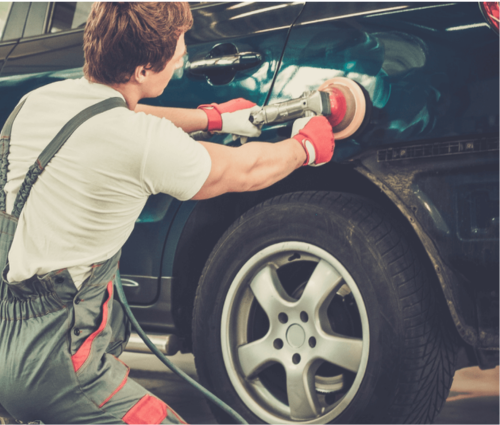
Photo and video let technicians map dents precisely, measure size brackets, and prove what exists before panels are touched.Reflection lighting reveals lows, crowns, and access points that daylight hides. This evidence speeds approvals, prevents estimated rewrites, and protects the owner with a time-stamped record from check-in to delivery.
Privacy matters because imagery can capture faces, addresses, or device geotags. A careful shop collects only what is needed, disables location data, and stores files in encrypted, access-controlled folders labeled by VIN and panel. Shared sets include only repair-relevant frames, with backgrounds cropped to avoid oversharing.
What Gets Stored and For How Long
A hail estimate usually produces four record types: panel photos showing dent counts and sizes, short clips that prove movement under reflection, the estimate file, and technician notes explaining access or safety steps. Each file lives inside a job record tied to the VIN and repair order, not a public gallery. Owners may request copies of the final estimate and the exact images shared. Sensitive backgrounds are cropped before storage and again before any sharing.
Metadata deserves attention. Photos may include EXIF fields like GPS and device IDs. A privacy-first workflow disables geotagging on capture devices, scrubs nonessential fields during upload, and keeps originals in encrypted storage with limited permissions. Whenever possible, staff use managed company devices so settings and updates follow policy.
Retention follows a written schedule. Records are kept long enough to honor warranties, answer insurer questions, and meet local rules, then purged from working folders and backups with logs of deletion. Access is role-based and removed at job close; reopened claims receive temporary, audited access only.
Consent, Access, Rights, and Opt-Outs
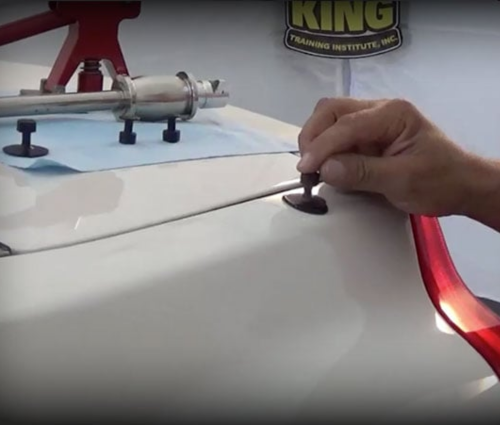
Before capture, you should know who is taking images, why they are needed, and how they will be used. Consent belongs on the work order and in a short conversation. You may request avoidance of faces, house numbers, or personal items, and you can limit use to estimating only. If you send your own photos, they should always be imported directly into the same secure work record, not left scattered in an email inbox or personal device folder.
Access should be limited to the estimator, assigned technician, and a manager. Insurers receive only frames that justify size, count, and access time. You can review the set before submission, opt out of video when stills suffice, and request a copy of what was shared and to whom. Transparency preserves trust throughout.
Security relies on tools and habits. Files should travel over encrypted connections and sit in encrypted storage. Role-based access limits who can open a job, and audit logs record activity. Shared links expire and require identity. Devices use screen locks, passcodes, and automatic updates; if a device is lost, remote wipe removes job images. Working sets are archived to the job record, not left on phones, and edits are versioned so history remains clear.
Minimization keeps your footprint small. Estimators capture only angles needed to count dents, show crowns, and verify access, not wide scenes with people or addresses. Documents are removed from seats before shooting. Visible airbag tags may help plan safe access, but IDs and mail never belong in the record. If a reflection catches a bystander, the frame is replaced before upload. Customer preferences to mask plates or faces are noted and applied consistently.
Secure Capture and Transfer Steps
A practical capture sequence starts indoors or in stable shade. The team cleans target panels, sets reflection boards, records identifiers without personal items, then works panel by panel using insurer angles. If motion proof is needed, a brief clip shows a dent reacting to a gentle pull; no faces or conversations are recorded. Each file is named by date, panel, and view so sorting and retrieval are easy.
Before anything leaves the bay, images are reviewed to crop backgrounds and confirm focus. Only then are files uploaded to estimating software and linked to the repair order. Remote pre-estimates use a private upload method; customers turn off geotagging and send three angles per panel. Blurry or irrelevant frames are deleted at intake.
When the estimate is assembled, a curated set travels with it. Each frame supports a line item such as dent count, size bracket, or remove-and-install time. Filenames remain panel-based, and a short index explains what each image proves. Any request for extra views references a specific item, and additions are logged.
Working With Insurers Safely and Clearly
Reviewers need proof, not private context. Good submissions show panel maps, dent counts by size, and access constraints like braces or airbags while avoiding wide shots with people or paperwork. Each photo should clearly correspond to and support a specific line item on the repair estimate, ensuring accuracy, transparency, and proper documentation.
You may ask to see exactly which frames will be shared and why. That quick review prevents back-and-forth, documents consent, and reduces delays. Keep your own copy so versions are easy to match later.
If multiple vehicles are involved, keep records separate and labeled by VIN. For rentals or leases, note any rules about photography and data. Ask how long attachments are retained on the reviewer’s side so expectations align.
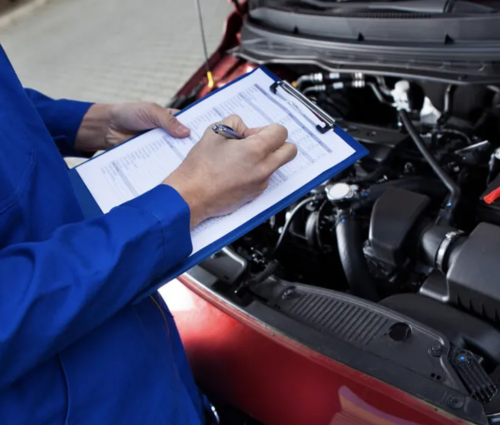
If any step feels unclear, pause and ask for a quick review of what will be shared and why. Make sure names, addresses, and personal papers are out of the frame before capture. Good evidence focuses on panels, not people. That balance keeps your file accurate, your information contained, and approvals moving. Purposeful images and predictable workflows help everyone finish the job without oversharing. Clear steps reduce reshoots and protect your privacy throughout the claim.
Your Role in Protecting Data
Prepare the vehicle. Remove mail, badges, and documents from seats and the dash. Wipe dusty panels so reflections are crisp, and disable geotagging if you will send images. Shoot in open shade, using the rear camera in landscape. For each affected panel, take one straight-on shot and two angled shots that show light bending around the low. Avoid including people, plates, or house numbers; retake any frame that does.
Set expectations in writing. Note your contact preference, who may receive updates, and any limits on sharing. Ask whether video is truly necessary. If your work is sensitive, request that identifying decals be covered during capture. When sending photos, include VIN and phone in the message, not visible in the frame. At approval, ask for a quick walkthrough of the exact frames attached to the estimate.
Know your practical rights. You may request a list of images, corrections to contact details, and a record of recipients. You can disable marketing use of images permanently. When new picture requests arrive, review the reason and scope first. Keep a copy of the estimate, photo index, and delivery paperwork. Clear communication and simple logs keep your data footprint small while the repair moves forward.
When Photos Alone Aren’t Enough
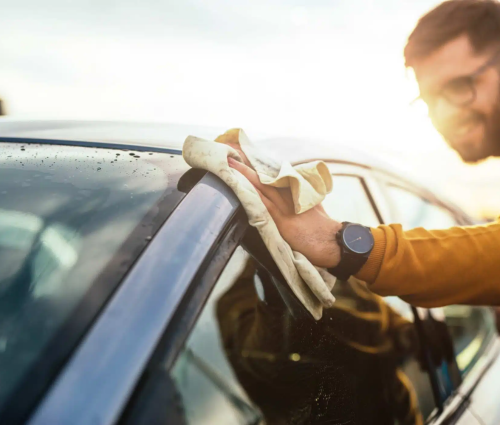
Some decisions require hands-on inspection even when photos look clear. Stretch near roof rails, uncertain access around curtain airbags, or panels covered by wraps may need tactile checks under shop lighting. Short videos can help, but the final call depends on controlled pushes, tap-downs, and gauges. New captures are limited to what proves scope, with personal items removed or covered before recording.
If third-party review is requested, the shop recreates the same angles under consistent light, crops backgrounds, and sends only frames tied to questioned line items. Brief test pulls or heat checks are labeled and stored with notes. Once decisions are made, extras are archived with the estimate and standard retention applies, avoiding unmanaged copies. You may request a simple summary of additions and recipients.
Schedule a Secure PDR Estimate
Ready for a precise hail estimate without oversharing your information? Schedule a secure capture. We will stage the car under controlled light, take only repair-relevant frames, and review what will be shared before submission. Prefer stills only? We can accommodate when movement proof is unnecessary. For remote starts, you receive a private upload method and a simple shot list.
From there, we build a clear plan, discuss timing, and explain whether panels qualify for paintless methods or need additional steps. Everything is documented so approvals move quickly and your record stays tidy. If questions arise, we can show exactly which images supported each decision. You leave with a plan, a cost estimate, and aftercare guidance, plus confidence that your data stayed in trusted hands. If you prefer, a quick call can cover options and privacy choices first.

VIP Hail Service | Plano, TX
Professional Hail Repair
Stay Up-to-date With Our Content
Subscribe to learn more about our mission!