
Ceramic Coatings After PDR: Reapply or Not?


Hail repair tips
What PDR Does to Ceramic Coatings
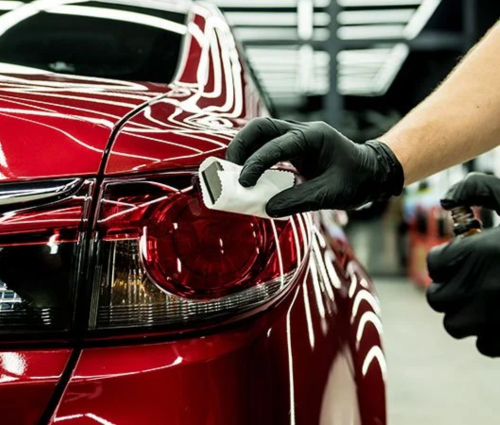
Paintless Dent Repair (PDR) reshapes metal from behind the panel, leaving factory paint intact. Ceramic coatings sit on top of that paint as a thin, sacrificial layer. During careful PDR, heat and tool work rarely remove the coating entirely, but localized stretching and tap-downs can weaken it.
Expect diminished hydrophobic behavior, reduced slickness, or small dull spots near repaired dents rather than full failure. If glue pulling was used, adhesive contact may temporarily clog the coating’s surface. A gentle decon wash usually restores beading, but truly compromised sections may need recoating.
When Reapplication Is Truly Necessary
Start with a strip-wash to remove fillers and residue, then observe water behavior. Healthy ceramic coatings produce tight, round beads and fast sheeting; tired areas hold flat water and feel grabby. Focus on zones around repaired dents, panel edges, and any spots that saw heat or repeated tap-downs. Note how quickly panels self-dry during a rinse; slower areas compared to neighbors usually signal reduced coating effectiveness.
If beading rebounds after decontamination and an iron remover, you likely still have protection. Stubborn dull patches, slow sheeting, or water that clings after drying point to wear. In those sections, a topper such as a silica spray can bridge performance briefly, but it will not replace full chemistry.
Plan reapplication only where testing shows consistent failure, or if the product’s warranty requires a refresh after body work. Most modern coatings bond to paint or clear coat, not the metal, so undisturbed areas remain fine. Spot-recoat a panel, or pursue a full correction and fresh coating if aging is widespread.
How to Test Coating Performance
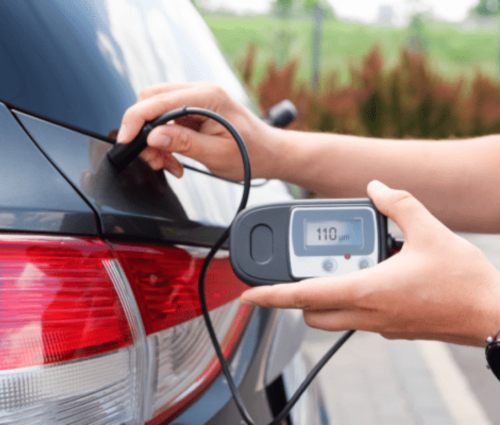
Use a clean panel and neutral shampoo. After rinsing, mist water and watch behavior under good lighting. Tight, uniform beads indicate strong surface tension; slow, blotchy sheeting points to failure. Drag a damp microfiber lightly across the panel, healthy coatings feel slippery, while compromised zones feel sticky and sound louder.
Follow with a decon wash: citrus prewash, contact wash, iron remover, then clay only if needed. Retest. If performance returns, you have contamination; if not, the coating is spent in that area. Document with photos and notes so any warranty reviewer or shop can see before-and-after evidence clearly. Mark panels with masking tape and label results to avoid mixing sections during spot treatment, especially when multiple dents were repaired across the hood, roof, and trunk.
If only small zones test weak, a spot polish with a finishing pad can level marring and prepare the surface. Wipe with panel prep and apply a compatible coating or pro-grade topper to that panel. Maintain the rest of the vehicle as usual to avoid unnecessary removal of healthy chemistry. Keep panel temperatures low during polishing by moderating speed and pressure to protect adjacent, intact coating.
When more than half the panel fails, consider full polish and recoat for uniform appearance and hydrophobics. Confirm product stacking rules; many coatings require removal before a new layer bonds. Ask the installer whether heat from PDR exceeded the brand’s limit, which could void reapplication or maintenance warranties. For warranty claims, gather invoices, product labels, and your test photos; installers and brands are far more responsive when you provide clear evidence and timelines tied to the hail repair date.
Best Practices After Dent Repair
Wait 24–48 hours after PDR before heavy washing so any panel oils dissipate. Use a pH-neutral shampoo, fresh mitt, and two buckets. Avoid aggressive clay unless contamination remains after decon products. Choose microfiber drying towels over blades to prevent catching on high spots created near tap-down areas. Avoid hot panels and direct sun during any testing or product application.
Refrain from solvent-heavy tar removers for a week. If you must spot-treat, rinse immediately and retest beading afterward. When applying a topper, work in cool shade, use small sections, and level high spots quickly. Follow the product’s cure time before exposing the vehicle to rain or automated car washes.
Schedule a follow-up inspection two to four weeks after repair. Compare panels you spot-recoated with untouched ones in the same light. If gloss, beading, and slickness match, routine washing and seasonal decontamination will maintain results. If not, consider full-panel recoat to restore uniformity and keep maintenance simple going forward. Note any micro-marring; a quick refinement step may be worthwhile before recoating.
Common Myths About Ceramic Coats
“PDR always ruins coatings.” False. Skilled technicians work from behind panels, minimizing heat and surface disruption; most coatings survive aside from small, localized weak spots. Verification with controlled water tests is a better indicator than blanket assumptions in practice today.
“You must strip everything after hail repair.” Not necessarily. If beading and sheeting return post-decon, a full strip is needless; treat only the areas that fail tests. Reserve machine polishing and full recoat for widespread failure, severe marring, or when manufacturer warranty terms explicitly demand it only.
“More layers solve it.” Many coatings require single-layer application for bonding. Stacking incompatible products can trap residue and dull gloss; follow manufacturer guidance or consult a trained installer.
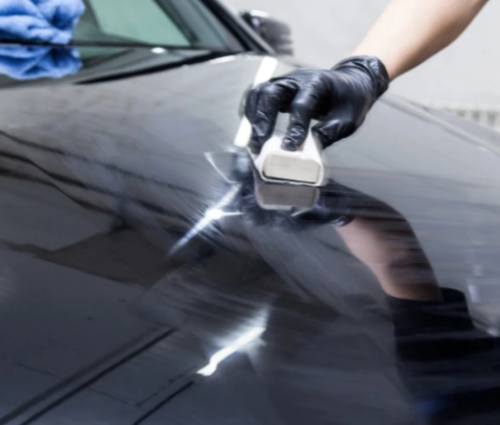
When misinformation drives decisions, owners overspend and lose protection they still have. Keep evaluation methodical: clean properly, test water behavior, document results, and act only where performance fails. This approach preserves healthy coating, saves labor, and avoids unnecessary polishing that thins clear coat. If you are unsure, ask a qualified shop to verify findings before you remove chemistry that remains serviceable. Bring records from the hail repair to support product or installer reviews.
Care Schedule for Coated Vehicles
Weekly: rinse dust and pollen, then contact wash only if needed. Use pH-neutral soap, soft mitts, and dedicated wheel tools. Dry with plush microfiber towels using minimal pressure. Inspect the panels that underwent PDR for new marring or flat beading, and note any changes compared with adjacent untouched sections. Avoid touchless washes that use high-alkaline chemicals until coatings fully cure after any spot reapplication or full recoating.
Monthly: perform a decon wash. Apply iron remover, then retest beading and sheeting. If behavior is weak in small zones, use a silica spray topper after drying to restore slickness and gloss for a few weeks. Mark treated panels so you can track whether performance gradually returns or continues declining. If water behavior improves after the topper, extend intervals between applications rather than layering products every wash.
Seasonally: inspect in strong, even lighting and decide on spot polish and recoat where failure persists. Before winter or long road trips, deep-clean and top to shore up self-cleaning. Replace worn towels and mitts to reduce micro-marring. Record dates, products, and results so warranties and service visits move faster. Keep notes on PDR methods used, such as glue pulling or rods, for future diagnostics. Store them with your service receipts.
Costs, Warranties, and Insurance Notes
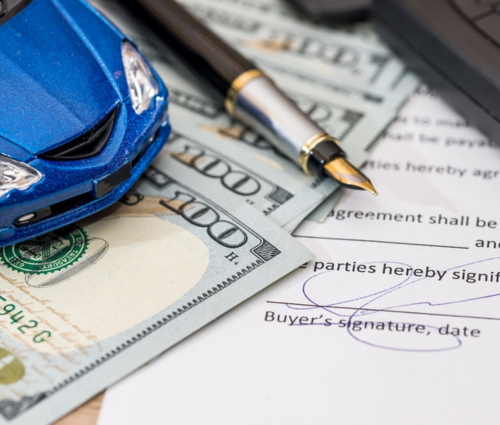
Spot recoating costs are typically limited to product and labor for one panel, far less than full correction and recoat. Pricing depends on brand, installer level, and whether polishing is needed to remove marring. Ask if your original installer offers goodwill inspections after body work, and confirm any transfer or refresh fees.
Coating warranties are performance-based, not insurance. Most exclude body work but allow reinstatement after inspection. Insurers generally cover PDR to restore dents; cosmetic coatings are maintenance items unless specifically endorsed. Ask your agent whether appearance protection is listed on the policy; if not, plan to handle reapplication as routine upkeep after the hail repair. Keep dated photos and invoices so any claim, warranty review, or shop conversation is simple and fast.
Bottom Line: Should You Reapply?
If water tests show strong, even beading and slick drying after decon, keep your current coating and maintain normally. Address only panels that fail consistently, or where warranty terms require a refresh. Document everything so future claims, inspections, and shop visits are smooth and you avoid repeating work. Recheck panels a week later to confirm cure and consistent behavior before making bigger decisions about further work.
When in doubt, request a professional inspection and a simple plan: decon, test, spot-polish if needed, and recoat only where performance truly lags. This keeps costs reasonable, protects clear coat, and preserves the benefits you installed the ceramic for, easy washing, gloss, and durable, hydrophobic behavior across daily driving. If aging is widespread, schedule full polish and fresh coating once, instead of stacking quick fixes that fade quickly anyway.

VIP Hail Service | Plano, TX
Professional Hail Repair
Stay Up-to-date With Our Content
Subscribe to learn more about our mission!