
Second Hailstorm? Claims, Estimates, Scheduling


Insurance & Timing
When a second storm hits your car
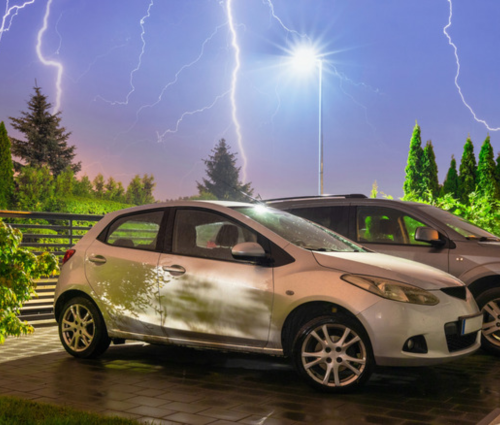
A back-to-back hail event can scramble your repair plan. Insurers need proof of which dents belong to which date, and shops must protect the estimate you already have. The key is documentation and timing: freeze the first claim record, then capture fresh photos and notes for the new loss.
Tell your shop immediately and avoid driving through heavy rain until photos are taken under clean light. Keep repair appointments unless your advisor says otherwise; reinspection can be added. Separate claim numbers, event dates, and panel counts will help keep your PDR path intact and scheduling realistic.
How insurers sort overlapping damage
Most carriers treat each storm as a separate loss. That means your first file stays open, and a second claim number is created for the new date. Adjusters will compare time-stamped photos, blueprint counts by panel, and any pre-repair invoices to decide what belongs to Claim A versus Claim B. Weather reports for your ZIP at specific times can support the timeline.
If repairs have already started, your shop documents completed panels and marks the rest as untouched. That snapshot locks the earlier scope and keeps supplements from ballooning. For panels with mixed dents, insurers may split labor: original hail under the first claim, fresh damage under the second, with separate approvals.
Expect a reinspection. The adjuster will re-map dent counts, verify sizes, and note access or R&I needed for proper PDR. Keep receipts, parking timestamps, and any weather alerts you received; they help confirm dates. Clear files close faster, protect factory paint choices, and prevent duplicated deductibles or denied lines. If glass broke in the second storm, that damage usually routes to the newer file.
Scheduling when storms overlap repair slots
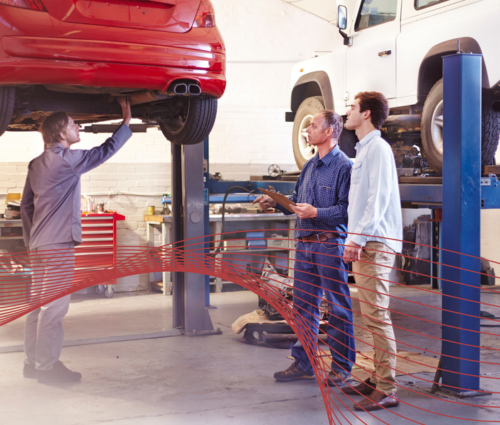
Ask about parts and R&I timing. Headliner drops, moldings, or glass appointments may stay on the calendar, even if a few panels pause or shift in sequence. If you’re on a PDR route, share your availability so the team can shuffle stops efficiently. Clear communication helps your advisor reserve the right tech, order materials, and avoid storage fees during busy stretches. Confirm which claim pays each segment on the work order so invoices match approvals and the car leaves on time without any unexpected billing surprises at pickup.
Keep every document in two stacks by date: claim forms, photo sets, weather notes, tow receipts, and glass invoices. Rename digital photos with panel and date stamps so counts remain traceable. Ask your shop to add panel labels to images and attach them to both files. That saves back-and-forth emails.
If the second storm created cracked paint or broken glass, expect those lines to fall outside pure PDR. Your advisor will write conventional repair or glass replacement on the newer claim while keeping undamaged panels on the original plan. Ask for a single calendar with color-coded tasks, PDR, R&I, glass, calibration, so you can see what moves and what stays. A tidy plan keeps approvals steady and helps the car roll through the shop without sitting idle between claim decisions. Confirm delivery targets after each approval stage to avoid unexpected delays later.
Handling deductibles across two hail claims
Deductibles depend on policy language and how your insurer treats separate events.. Many policies apply one deductible per claim number, so two storms can mean two deductibles. Some carriers waive a second deductible if damage is clearly continuous; others don’t. Ask your adjuster in writing and save the reply to file.
Your shop can structure work orders so each claim is billed to the correct line, preventing misapplied deductibles. If glass, calibration, or conventional bodywork belongs to the second claim, keep those invoices separate from PDR on the first. Clear segmentation protects you from duplicate charges and makes insurer audits easy.
Before authorizing repairs, ask for a summary that lists: claim numbers, panels by claim, deductible per claim, and estimated completion dates. Confirm how supplements will be handled if new dents are found during disassembly. Written clarity keeps everyone aligned and lets the shop sequence work for the quickest path to delivery without billing surprises. Ask for emails on decisions so you have a record. It helps resolve questions later.
What shops do after the second storm
First, the advisor freezes the original blueprint and notes what’s already repaired. Next, the technician re-maps panels under PDR lights, tagging new dents by date. Photos are uploaded with labels and a short note explaining access and any R&I required. The file is ready for reinspection or desk review.
Scheduling is adjusted, not erased. Pre-approved panels move forward while mixed panels wait on insurer sign-off. If parts were already ordered, the shop confirms fitment and returns or reassigns anything no longer needed. This keeps bay time productive and prevents your car from idling while paperwork catches up.
You’ll receive updated timelines and a simplified invoice map that assigns each line to the right claim.
A quick note on rentals: confirm which claim funds the car while repairs occur. If the second storm forced reassessment, rental coverage may shift to that file once the new estimate is written. Ask the advisor to coordinate dates so your vehicle, claim approvals, and rental term all sync. Good calendars save money. If you self-pay, request a staged plan that minimizes downtime while waiting on reinspection. Ask about shuttle or rideshare credits if available.
DIY steps to document two events
Wash the vehicle and shoot fresh photos within 24 hours of the second storm. Use soft, even light and a consistent angle. Take a wide shot and a close-up for each panel, then label the files by panel and date. Add a few overhead photos to show roof and hood patterns clearly.
Write a short timeline: where the car was parked during each storm, who witnessed the event, and any alerts from your weather app or HOA. Keep receipts for car washes, glass cleanup, or patching broken tape on moldings. Small items establish timing. Save everything in two folders, Storm One and Storm Two.
Share the packet with your shop before the appointment so the blueprint can mirror your labels. Ask them to print counts by panel for each claim and add access notes for headliners, airbags, or trim. Request the estimated PDFs and photo sets via email so you can forward them to the adjuster without compression losses. If the schedule is tight, ask for a split plan: pre-approved panels first, mixed panels after reinspection. Clear records and a tidy calendar keep both claims moving and help your car deliver on time. Keep calling references and policy numbers handy to speed calls with the carrier and avoid repeating details each time.
Common questions owners ask after storms

Will the second claim delay repairs? Sometimes, but not always. Shops often continue with pre-approved panels while insurers review mixed areas or request brief clarifications. If counts differ widely, a quick reinspection or desk review usually clears the file and keeps momentum steady. Ask for a single point of contact at the shop and at the carrier so updates stay consistent, organized, and easy to track throughout the repair.
Do I need two estimates? Usually yes, one per claim number. The shop may produce a combined calendar but separate PDFs. What if the first estimate expires? Most carriers honor it after a brief update, especially when the shop documented status before the second storm. Can I switch repair methods? You can discuss PDR versus conventional again if paint cracked; the blueprint will show why a change is recommended.
Schedule a clean, two-claim blueprint
A second storm doesn’t have to derail your repair. Bring the car to VIP Hail Service for a documented, panel-by-panel blueprint that separates events by date and sets a clear plan. We’ll map dent counts, verify access, note R&I, and prepare clean estimate files for each claim so approvals move.
Want to start remotely? Send labeled photos by panel, plus dates and claim numbers, and our team will pre-screen the file and book you for confirmation under lights. You’ll get timelines, a single work calendar, and clear next steps, PDR where it fits, conventional lines when needed, and parts ordering when approved. With VIP Hail Service guiding the process, both claims stay organized and your vehicle returns on schedule. If insurance questions pop up, we’ll help compile photos, dates, and notes so reinspection is quick and your approvals keep moving without rework.

VIP Hail Service | Plano, TX
Professional Hail Repair
Stay Up-to-date With Our Content
Subscribe to learn more about our mission!