
Convertible Hail Damage: What’s Repairable, What’s Not


Convertibles & Hail
How hail affects convertible tops and panels
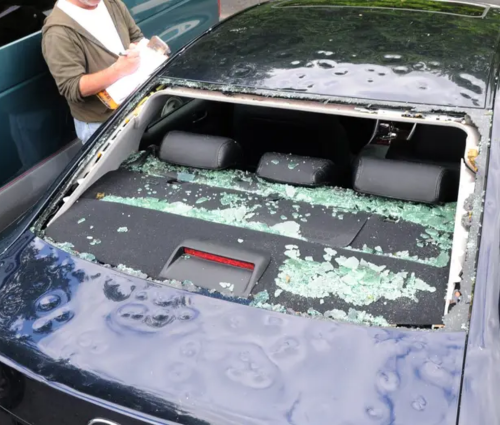
Convertibles mix fabric or vinyl roofs with complex mechanisms, so hail damage isn’t one size fits all.Dents in metal panels hoods, trunks, doors, quarters often suit paintless dent repair (PDR) if paint remains intact and access exists.Soft tops are different: fabric doesn’t dent; it bruises, creases, or tears.
Small surface impressions on a canvas or vinyl top may relax with heat, but punctures, broken stitching, or cracked rear windows usually require top or glass replacement. Beneath the skin, bows, seals, and cables can be stressed. A careful inspection maps metal dents for PDR while checking drains, latch alignment, and wiring before work begins.
When soft tops can be saved
Fabric and vinyl tops don’t dent; they deform. Light bruising or shallow dimples from pea size hail may relax after warm weather, careful cleaning, and time. Professional steaming can speed recovery, but it isn’t guaranteed. Because there’s no rigid backing, PDR isn’t performed on the soft material itself. The right call is monitoring the surface, protecting it from harsh cleaners, and checking stitching and glass edges for early signs of failure.
Replace the top when hail cuts threads, punctures fabric, cracks the rear window, separates glass from the canvas, or kinks the frame. Water stains on the headliner, musty odor, or wind noise after the storm also point to seal damage. A convertible top specialist can quote OEM or high quality aftermarket covers. If insurance is involved, photos of tears and glass separation help approvals and avoid repeat inspections.
If the top stays, attention turns to the metal around it. Technicians repair hoods, trunks, quarters, and door uppers with PDR, then water test seams and drains to confirm the cabin remains dry and the roof seals the seat correctly.
Retractable hardtops and mechanism safety
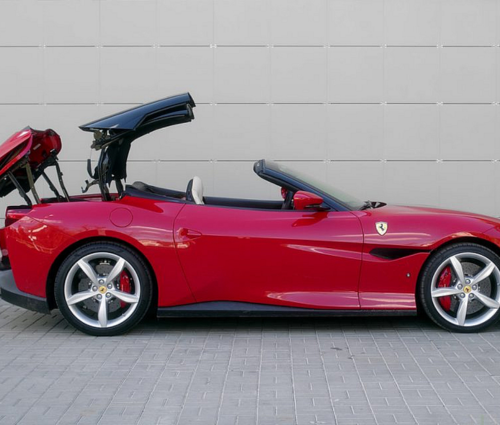
Retractable hardtops combine painted panels, hinges, sensors, and hydraulic or electric drives. Hail dents on the deck lid, roof sections, or sail panels can often be corrected with paintless methods if paint is intact.Access usually requires trim removal and battery disconnects to protect modules. Technicians map latch points and wiring, pad surfaces, and stage the roof half open so tools reach metal without rubbing cables or scuffing interior finishes.
Glue pulling near moving joints stays modest to avoid peaking thin skins or stressing brackets. After repairs, function tests cycle the top, verify pinch protection, and check alignment at deck and windshield headers. A water test confirms seals, and a scan clears stored codes. Proper sequencing prevents binding noises and ensures the roof stores and latches smoothly.
Rear windows on convertibles are either tempered glass bonded to the top or flexible plastic sewn into the fabric. Hail can crack glass or crease plastic; neither outcome is a PDR task. Glass gets replaced and bonded; plastic windows are typically replaced with a sewn panel. When the window is integrated, the entire top may be required. Technicians document part numbers and seal designs so insurers understand why window work is separate from dent repair.
Seals and drains deserve equal attention. Hail can shove debris into channels, and roof movement may unseat weatherstrips. During reassembly, teams reseat seals, clear drains, and apply recommended lubricants at hinges. A final water test starts gentle and increases flow, checking for wicking along seams and at the rear glass bond. Interior surfaces are dried and inspected so lingering moisture doesn’t stain headliners or create odors after delivery.
Insurance, estimates, and scheduling choices
Claims on convertibles benefit from clear separation of tasks. The estimate should list PDR by panel, top or window replacement if needed, R&I for trims and headliner, and calibration or scans if modules are disturbed. Photos under shade show dent counts and the condition of fabric, seams, and rear glass.Labeled images speed approvals and prevent reinspections when adjusters need to see why top work isn’t the same as dent removal.
Timelines differ. A PDRonly job may finish quickly, while a new top, rear glass bonding, or seal work adds days for parts, installation, and adhesive cure. Set checkpoints up front: intake, supplement submitted, approval received, repair start, water test, and delivery. Agree on rental coverage windows in writing so changes in scope like a cracked glass discovery don’t interrupt transportation plans.
Choose a shop experienced with convertibles, not just sedans. Ask how they protect interiors, stage the roof during access, and verify drains. Request before and after photos and a postrepair water test. The right process preserves factory paint, protects seals, and keeps the cabin quiet.
Soft top care after a storm
Rinse the top gently to remove grit before it abrades fabric. Let the roof dry fully with the car parked indoors if possible. Avoid scraping or aggressive brushing of ice; use lukewarm water and time instead, which prevents broken stitching and scuffed weave.
Cleaners matter. Stick to convertible safe formulas; solvents and household detergents can fade dye or weaken backing. Apply protection recommended for your material cloth or vinyl and follow cure times. Avoid automatic washes with spinning brushes until a technician checks seams and the rear window bond.
Watch for drips, musty odors, or wind hiss. If present, schedule a water test. Attention to seals, drains, and latch alignment helps prevent stains and mold in the cabin and avoids top replacements later.
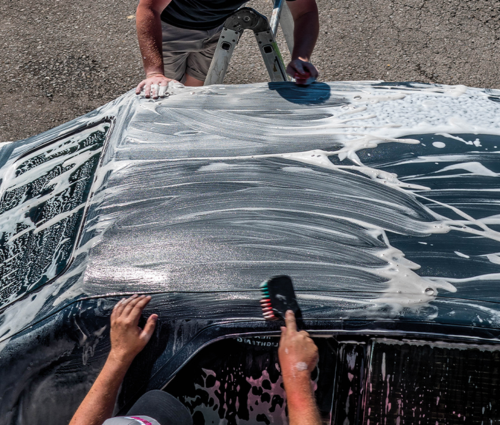
PDR focuses on metal panels, so think of the convertible top as a separate system. If dents sit on the hood, deck, or quarter, paint intact, PDR restores shape without repainting; the soft top may still need unrelated service. That split plan often preserves value and shortens downtime. Your advisor should explain each line clearly so you know what repairs prevent leaks, what restores looks, and how scheduling combines both efficiently.
Common convertible hail repair scenarios
Light hail with a healthy fabric top usually means no top replacement. The roof shows faint dimples that relax, while the hood, deck, and door uppers get standard PDR. The visit focuses on mapping dents, protecting the interior, and reading reflections under stable lighting. After repair, a water test confirms the top still seals. This scenario is quick when access is easy and paint is intact across affected panels.
Stronger storms can cut stitching, tear fabric, or crack the rear glass. Here, the plan splits: PDR for metal panels and a convertible top replacement or window bond for the roof. Photos and part numbers support estimates and help insurers approve once, not in pieces. Expect additional time for parts and adhesive cure, followed by a water test and road check for wind noise at header, quarter windows, and the rear window bond.
On retractable hardtops, dents on roof sections or the deck lid are handled with careful PDR while the mechanism is staged and protected. Technicians avoid aggressive pulls near hinges and brackets, then cycle the top to confirm smooth travel and latching. If sensors stored codes during battery work, scans clear them before delivery. The result is a clean surface and a quiet, watertight roof with original paint preserved for long term value.
FAQs convertible owners often ask
Will PDR harm the mechanism? No proper access keeps tools off cables, bows, and sensors, and battery disconnects protect modules. Does insurance cover the soft top? If hail caused tears or cracked the rear window, policies with comprehensive typically consider top or glass replacement when documented with photos and part numbers. Clean estimates separate roof work from panel PDR to avoid confusion and speed approvals.
Can I delay top replacement? You can drive if the roof seals and the rear window is intact, but leaks risk mold and electronics. Schedule a water test and decide with evidence. Will the top look factory after replacement? Quality covers and bonding restore fit closely; a postrepair water test and road check confirm results. Keep all receipts and photos for future resale conversations.
When to contact VIP Hail Service
Contact VIP Hail Service if hail marks your convertible. Send a few shaded photos of the hood, deck, roof, and rear window, along with your claim number. We’ll outline what PDR can fix, what the soft top may need, and whether window or seal work is likely. You’ll get a clear estimate, parts notes if required, and a simple schedule that accounts for adhesive cure and water test time.
At intake, we stage the car indoors, protect the interior, and map dents under lights. Technicians repair metal with controlled PDR, coordinate any top or glass vendors, and finish with a scan if modules were powered down. Before pickup, we water test, road check for wind noise, and review reflections outdoors so you can see results in natural light. Expect quiet trims, dry carpets, and original paint preserved.

VIP Hail Service | Plano, TX
Professional Hail Repair
Stay Up-to-date With Our Content
Subscribe to learn more about our mission!