
Can PDR Fix Carbon Fiber Panels


Panel Repair
Why Carbon Fiber Dents Differ
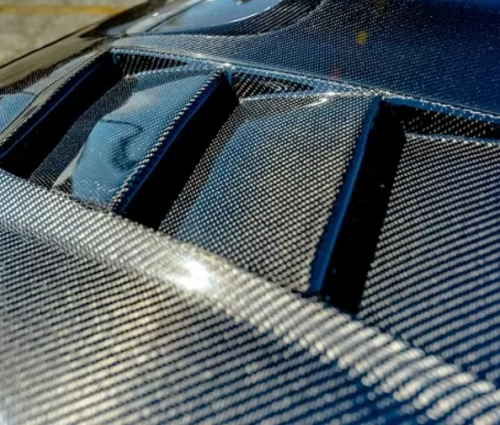
Carbon fiber panels combine high strength fibers with epoxy resin to create a rigid composite. Woven fiber layers aligned in chosen directions yield excellent load bearing capacity. Unlike steel or aluminum panels carbon fiber offers limited flexibility and does not stretch under stress
When hail strikes a metal panel technicians can use paintless dent repair to push out dents because metal bends without cracking. Carbon fiber lacks this malleability. Impact often creates cracks or breaks within the resin or fiber layers. As a result dents can be uneven brittle and harder to correct
Heat and Pressure Repair Methods
Technicians are experimenting with localized heat and pressure to restore minor dents in composite panels. This technique uses controlled heating to soften the resin followed by precise pressure application. Tiny custom jigs apply force opposite the dent direction lifting the fibers back into shape. Early trials show promise for very shallow indentations without visible surface damage
These advanced methods remain in the experimental stage. Only a handful of repair centers nationwide have the equipment to deliver accurate temperature control and force measurement. Operators need training in composite behavior to avoid over heating or excessive pressure. Missteps can cause fiber delamination or resin cracking making the panel unusable and voiding warranties
When successful these heat and pressure repairs can correct small dings while preserving the original color and finish learn how PDR handles dents on composites. However results vary based on dent depth fiber orientation and resin type. The technique cannot address deeper damage or cracks. As research continues repair shops may adopt micro repair tools but widespread use remains some years away
When Replacement Is Necessary

If a hail hit causes cracks fiber breaks or deep indentations replacement is the only safe option. Composite panels cannot stretch or be reshaped when structural integrity is compromised. Cracks within the resin allow moisture to enter risking further damage. In these cases repairing would only hide defects leading to failure under stress making a new panel critical for safety and performance
VIP Hail Service inspects each composite component to confirm the extent of damage and recommend replacement when needed. We document fracture lines and fiber delamination using visual and tapping tests. After approval we match panels by weave pattern and resin formulation. Replacement restores original strength finish and weather resistance so the vehicle performs as designed.
VIP Hail Service offers expert guidance when carbon fiber panels require replacement. Our technicians perform detailed inspections to assess internal damage beyond visible cracks and resin fractures. We explain repair limitations clearly to help vehicle owners make informed decisions. This advisory role prevents costly attempts at micro repair when only a new panel will restore structural safety impact resistance original appearance and warranty coverage details. We outline estimated costs and timelines upfront
We collaborate with composite fabricators to source panels that match the exact weave pattern finish and mechanical properties of the original component. Our team also works directly with insurance adjusters to obtain timely authorizations for replacement parts. Once the new panel arrives our certified technicians adhere to factory approved bonding and curing procedures. We then conduct thorough quality inspections including tap testing and visual alignment checks to confirm restored performance and seamless fit
VIP Hail Service Advisory Role
VIP Hail Service takes a consultative approach to composite panel repairs. When a dent appears technicians assess fiber damage and resin integrity using non invasive tests. We discuss the risks and benefits of micro repair versus replacement based on panel design and vehicle use. Clients receive clear recommendations so they understand the options and trade offs
Our experts use detailed images and tapping feedback to determine if a dent can be safely addressed without leaving structural flaws. We explain expected results timelines and cost differences so clients can weigh convenience against panel longevity. If micro repair is feasible we proceed with controlled techniques and monitor progress at every step to maintain composite strength
When replacement is required VIP Hail Service guides clients through each phase from part ordering to post installation inspection. We help coordinate warranty claims and provide transparent updates on repair status. Our comprehensive support and clear communication aim to ease the repair journey ensure peace of mind and preserve the integrity of high performance vehicles
PDR Limitations for Carbon Fiber Composites
PDR depends on metal movement and controlled pressure. Carbon fiber panels do not flex in the same way. Applying PDR tools can crack resin or break fiber bundles. Technicians risk worsening dents when using standard dent correction on composite surfaces
Even minor indentations can hide fiber separation beneath the surface. Visual inspection may miss internal damage that grows over time. Heat and pressure repair techniques are still unproven for these cases. It is safer to consult composite experts before attempting dent removal
Composite panel makers advise against PDR on carbon fiber. Manufacturer guidelines require replacement or specialized repair processes. Ignoring these recommendations can void warranties or lead to failures.
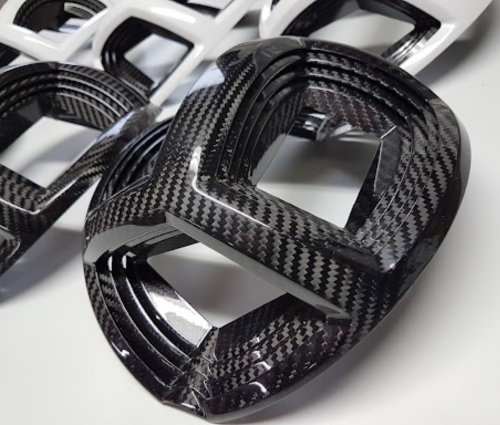
Attempting PDR on carbon fiber composites carries significant risk.These panels lack the ductility of metal so dent removal tools can damage fiber structures and resin bonds. Best practice is to follow manufacturer guidelines and rely on qualified technicians for inspection and repair. For minor surface blemishes consider clear coat polishing or cosmetic fill options. Always seek professional evaluation before pursuing dent removal on composite parts to avoid costly mistakes
Owner Guidance and Options for Carbon Fiber Panels
Vehicle owners facing hail dents on carbon fiber panels should first arrange a professional inspection. Look for surface cracks or paint fractures around the dent area. Photograph the damage from multiple angles under bright light. If you notice fine resin lines branching from the dent focus on replacement options. Early assessment helps avoid hidden failures inside the fiber layers and reduces risk of progressive damage over time. Reach out to VIP Hail Service if you need advice
Avoid using suction cups or metal pushing tools on composite parts. DIY kits designed for steel panels can cause surface fractures. Instead consider professional cosmetic solutions such as clear coat blending to mask minor marks. Keep the vehicle covered or stored under a solid roof to prevent further weather or debris damage while you decide on repair or replacement. Ask your technician about warranty or performance guarantees on any repair
When seeking quotes compare labor methods guarantees and part origins. Certified composite experts may charge premium rates but offer reliable results. Always confirm that work meets vehicle maker standards and factory tolerances. Request documentation on panel matching weave and resin type. After repair or replacement arrange follow up checks to catch any settling issues early and ensure long term durability alignment and appearance
Advancements in Composite Repair Technologies
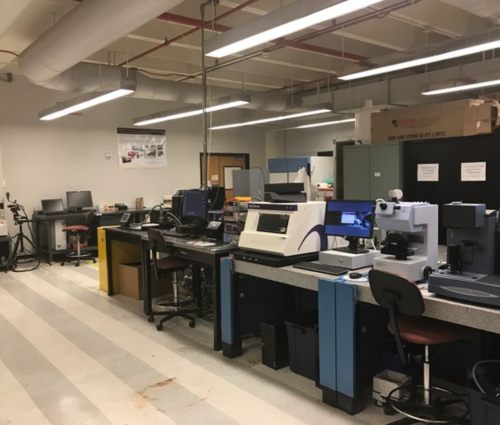
Researchers are exploring ultrasonic energy to realign fiber layers and heal resin fractures. This method uses high frequency vibrations to reduce adhesive stress and encourage bond re formation without heating. Other studies test specially formulated resin infusions that penetrate micro cracks then cure under ultraviolet light. Early lab results are promising but require in field validation before they become available to repair shops
Innovations also include robotic manipulators that apply precise force patterns based on 3d scans of the dent shape. Nanotechnology adhesives aim to fill fiber gaps at a molecular level restoring structural strength. While these advances show potential the equipment cost and technical complexity mean widespread adoption may take years.
Key Takeaways and Next Steps
Carbon fiber panels require a different approach than metal bodywork. Paintless dent repair tools can damage composite layers making micro repair techniques risky. Emerging heat pressure ultrasonic and resin infusion methods may offer solutions for shallow dents but remain experimental. Cracks fiber separation or deep indentations call for panel replacement to ensure safety and performance. Understanding these distinctions helps owners choose the right path for cost effective and durable repairs
Owners should seek professional assessment at the first sign of hail damage to composite panels. VIP Hail Service provides expert inspections detailed repair evaluations and transparent guidance. Whether choosing micro repair techniques or panel replacement we support informed decisions. Contact our team for a customized plan estimate and partnership through the entire restoration process. Protect the beauty performance and value of carbon fiber vehicles with specialized care

VIP Hail Service | Plano, TX
Professional Hail Repair
Stay Up-to-date With Our Content
Subscribe to learn more about our mission!