
Paint Flexibility Ratings Guide for PDR


Paint Science
Elastic Ratings and Dent Repair Quality
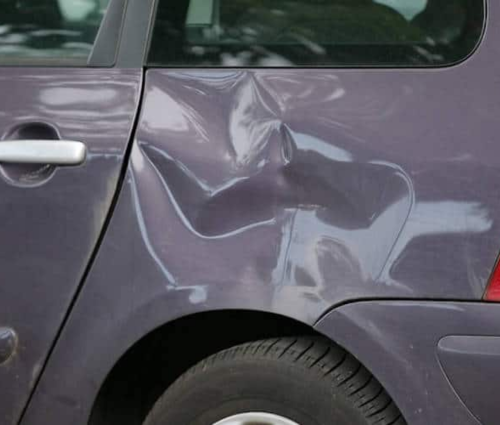
Automotive paint flexes just enough to follow sheet‑metal shifts. Its elasticity rating tells technicians whether paintless dent repair can reshape dents without cracking the clear coat. High‑scoring polymers act like micro springs, stretching and snapping back so rods work fast; low scores ask for gentle, heat‑assisted pushes. OEM manuals list exact values for every model year.
If a finish stretches to ninety percent of its cured length, metal can be massaged in fewer passes, reducing billable hours.Coatings that fail around sixty percent require slow, staged glue pulls that spread strain and preserve resale‑critical factory gloss for many owners today.
OEM Paint Elasticity Testing Methods
Factory laboratories apply the production color and clear system to small steel coupons, cure them, then cut narrow dog bone shapes from the coating. These paint samples are gripped in a tensile frame and pulled at a steady speed while high resolution cameras watch for the first micro fissure. Software records the force and stretch distance at that moment.
Engineers repeat the pull at several bake temperatures and humidity levels, building a curve that shows how climate during curing affects flexibility. They also flex aged panels kept in hot ovens to mimic five or ten years of sun. If elasticity drops too far, chemists tweak resin balances or add softening agents until the target range returns.
The final report lists percent stretch and elastic modulus in plain tables that service departments can read quickly. Those numbers migrate into paintless dent repair guides, telling technicians the safe movement window for each model year. With the data on hand, tool pressure gets set with confidence and fragile spots are warmed first for added margin.
How to Judge Your Paint Flexibility
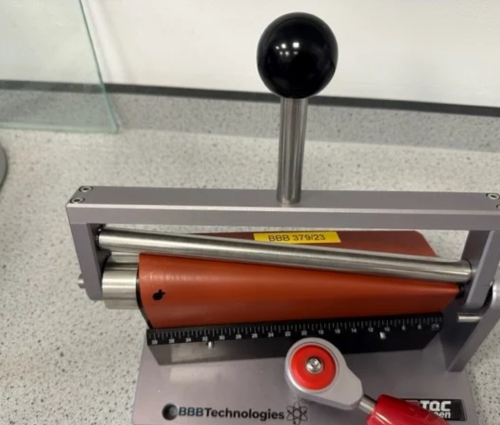
Start with a simple, reliable tape test. Apply a strip of low tack painter’s tape to a clean fender, press it down firmly, then pull back in one smooth, controlled motion. Fresh, flexible clear will lift cleanly without flakes or cracks. Brittle, aging paint often leaves behind tiny chips or fragments on the adhesive. This quick, easy check provides the first valuable hint about how much stretching and repair pressure your vehicle’s finish can safely tolerate.
Next, park under soft morning light and slowly press a thumb pad near an emblem while watching the reflection. If the wave glides smoothly and returns, elasticity is still healthy. A sudden snap suggests a rigid layer. Finally, look for chalky residue when rubbing horizontal surfaces; powder means sun has stolen plasticisers and extra care will be required during dent removal.
Technicians confirm home observations with precision instruments VIP Hail Service uses a portable nano indentation device that presses a diamond tip into the clear coat and measures rebound. The reading converts instantly to modulus and percent elongation, matching factory charts. They scan several panels, mapping stronger and weaker zones that may have seen different sun or repair histories. That digital map guides rod speed and glue tab size for each separate area.
Data also shapes heat plans. A panel showing low modulus gets warmed longer and cooled in stages to relax stress before each push. Sections reading high stay cooler, saving time and preventing gloss haze. Every temperature reading is logged with the modulus grid and shared with the owner at delivery. The record proves that each adjustment matched real paint behavior, securing warranty coverage and smoothing any future insurance discussion.
Handling Brittle and Aged Finishes
Older vehicles often wear single stage finishes that have lost flexible resin through long sun exposure. When metal moves even slightly, the clear will craze like dry soil. VIP technicians begin with thermal images to spot brittle zones. They then plan gentle glue lifts in half millimetre steps, allowing time for molecular chains to extend slowly.
Repainted panels bring additional complexity because aftermarket primers and clears may age at different speeds. A seam where factory meets refinish can split if tension travels unchecked. Technicians mark these boundaries with ultraviolet chalk, start repair on the harder OEM side, and finish on the softer refinish layer, diffusing strain before it reaches the joint.
When even cautious methods risk fracture, the shop may choose a hybrid approach. They push metal near flush, then feather a small clear patch confined to the dent. Because filler is minimal and color remains untouched the panel still reads as original in paint depth scans. The method saves vintage value while eliminating visible damage.
Temperature Strategy for Varied Flexibility
Heat softens polymers so they can stretch without tearing. Panels with high elastic ratings need only slight warming to reach their safe zone, while brittle layers demand a steady glow from infrared lamps for several minutes before any push begins.
Cooling is just as critical. After each movement technicians mist alcohol to draw heat away, letting the paint reset. Without this pause accumulated warmth may push the clear beyond its limit and leave faint stress rings that appear weeks later.
VIP Hail Service records every temperature reading for each panel, matching them with corresponding modulus data. This log proves to insurers that thermal methods stayed inside safe limits, supporting lifetime crack coverage offered after repair completion.
An infrared gloss scan finishes the thermal cycle. Technicians roll the handheld meter across repaired zones and compare readings with untouched areas. Matching values confirm that controlled heating and cooling preserved surface texture. Results are stored in the job record and reviewed with the owner at pickup. This final confirmation step adds only a minute but delivers lasting confidence that the panel kept factory appearance through changing weather and daily washing.
Adapting to High Solid Clears
High solid clear coats satisfy environmental rules by packing more resin and less solvent, building a thicker protective skin that hardens quickly. When new, they can stretch generously, yet crosslink density increases during the first few years, raising stiffness. VIP technicians counter this changing character with a staged push plan. A broad nylon paddle spreads the initial load, and subsequent smaller rods finish shape in short circular motions that avoid sharp leverage points.
Glue pulling also changes. Rather than rigid plastic tabs, the team selects flexible rubber bases that move along with the clear, distributing tension evenly. Lamp heat stays five degrees below standard targets, determined from yearly coupon studies, and cooling pauses last a full minute. Together these adjustments prevent shear lines in the thick film while still restoring metal quickly enough to meet insurance cycle time goals.
Communication is essential with owners who expect rapid service. Advisors explain each stage using sample panels under strip lights, showing how extra resin changes reflection. Photo updates with temperature logs reassure that progress matches the plan. After repair, a laminated care card advises gentle hand washing for thirty days and lists safe polish limits. Feedback surveys six months later confirm gloss retention, feeding data back into the procedure for continuous refinement.
Long Term Paint Flexibility Care
Elasticity slowly declines as ultraviolet rays remove plasticisers and temperature swings fatigue the polymer network. Regular washing with pH neutral soap removes salt and dust that accelerate breakdown. Applying a synthetic sealant every four months introduces fresh pliable molecules that migrate into the upper clear coat, replacing some of what weather pulls out and keeping stretch capacity higher for longer.
Seasonal paint health checks complete the routine. A quick gloss reading, thickness scan, and nano indentation sample reveal whether the surface needs light machine polishing or new sealant. Maintaining a digital record of those numbers proves condition at sale time and guides future dent repair strategy. Small scheduled care sessions cost little yet extend the crack free life secured during the original hail restoration.
Essential Flex Facts for Owners
Every paint film has a measurable stretch limit that governs whether dents can be removed without coating damage. New high solid finishes often rate near ninety percent while older finishes may sit below sixty. Knowing where your car falls lets a technician set rod pressure and heat cycles with confidence. Ask for modulus readings before work begins and insist those numbers appear on the final invoice.
Documentation has value beyond the immediate repair. Modulus charts, temperature logs, and gloss scans prove that service stayed inside safe strain limits, supporting lifetime crack guarantees and smoothing future insurance claims. Keep digital copies with your service history so any later dent repair begins with solid baseline data. Regular sealant application and annual elasticity checks will keep ratings higher, making each new hail season easier on your wallet and your original factory paint.

VIP Hail Service | Plano, TX
Professional Hail Repair
Stay Up-to-date With Our Content
Subscribe to learn more about our mission!