
Why PDR Technician Credentials Matter


Skill Proof
Certifications Protect Your Vehicle Investment
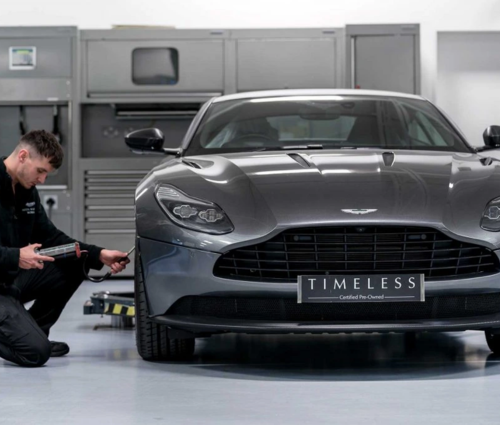
Paintless dent repair looks easy, but returning modern steel and aluminum to factory shape needs verified skill.Credentials from programs like Vale and ARC prove that ability through live exams where technicians must erase measured dents within tight tolerances. Passing confirms mastery of heat, leverage, and metal memory—the exact qualities insurers want when authorising hail repairs.
Certification goes beyond bragging rights. Each body requires ethics pledges and frequent renewals, forcing techs to stay current as alloys evolve. Their validated techniques prevent cracks that void paint warranties, giving owners long‑term durable finishes and a transferable written guarantee they can trust.
Comparing Leading PDR Certification Programs
Vale is the oldest paintless dent certification. Candidates work in a supervised lab on steel and aluminum panels marked with calibrated dents and must restore factory contours within millimetre tolerance. Laser gauges verify accuracy, while a written exam covers metal memory, heat control, and safe access around airbags. Passing earns a bronze, silver, or gold card valid for two years and posted in a public database.
ARC followed as a peer reviewed alternative. Examiners use salvage panels bearing random damage, forcing adaptable strategy. Scores weigh speed, surface texture, gloss under LED boards, and shop cleanliness. Master status demands clearing several panels in three hours while staying under five thousandths deviation and showing community mentoring proof.
Electric vehicles add high voltage, so the IMI Level Two credential focuses on safe power isolation and thermal risk. Students practice lock out steps, cable shielding, and grounding glue pull equipment near batteries. Graduates earn an orange card recognised by makers worldwide and often required by insurers on battery car hail claims these days.
Warranty Strength Through Skill

Shop warranties can feel hollow if panels later ripple or paint flakes. Certified technicians back broader promises because their exams prove precision on steel, aluminum, and mixed alloys. Testing agencies audit their tooling and require documented torque specs during trim removal, reducing the chance that hidden clips snap or corrosion starts beneath sealant. With those risks contained, a lifetime warranty truly spans the life of the car.
Insurers agree, Claims routed to certified teams close faster and need fewer supplements. Adjusters trust the skill record, authorise payment quickly, and rarely question photo evidence. That smoother approval keeps rental days low, saves premiums, and lets owners pick up their vehicles sooner. In short, certified skill turns a promise on paper into real-world protection.
Warranties survive ownership changes, a detail important to anyone planning future resale. Dealers appraising trade ins seek documentation proving dent repair met recognised standards. When an invoice lists technician ID numbers from Vale or ARC, managers skip costly contingency deductions because they trust the metal retains factory strength and corrosion resistance. That preserved book value often covers the original repair cost, effectively making certification pay for itself, especially when hail dents cover roof and hood.
Fleet operators see similar gains. Large storms can damage dozens of units; a roster of credentialed techs delivers uniform results under tight timelines, limiting rental replacements and late delivery penalties. Every productive hour saved keeps drivers on their routes and revenue flowing without disruption. Certification therefore benefits individual owners, dealers, and commercial fleets alike by merging quality assurance with substantial tangible financial return on every dent.
Verifying Technician Credentials Before Booking
The fastest way to confirm a credential is simple: request the wallet card issued by the testing authority. It shows technician name, level, expiration, QR code, and serial number. Enter that number on Vale, ARC, or IMI lookup pages to see active or lapsed status. A screenshot dated this week adds comfort the badge is current.
Next, ensure the certified person will handle your car. Estimates should list that name and card level, not just a generic shop owner. If the shop says a senior tech supervises, ask how often that expert inspects progress and signs the warranty. Good shops schedule checkpoints to guide every panel and verify overall quality.
Inspect the workspace. Certification culture shows in bright strip lights, organized rods, calibrated glue towers, and dent maps projected on a screen. Staff should gladly show practice panels, measurement gauges, and explain true safety steps around airbags or batteries. Such openness confirms that credentials shape daily habits, not only marketing claims, and builds genuine trust before you sign.
Core Certification Test Sections Explained
Exams divide into metal shaping, finishing, and theory. During shaping, candidates remove dents of several sizes from convex and concave zones while laser gauges track surface variance. Tools must enter only through factory openings, demonstrating respect for structural integrity and airbag paths.
Finishing comes next. Panels move beneath polarized strip lights that reveal micro highs or texture changes invisible outdoors. Evaluators glide fingertips and a gloss meter across the surface; anything rougher than factory orange peel triggers failure.
The written test covers metal memory, corrosion prevention, adhesive chemistry, and ethics. Candidates explain battery isolation and ground strap placement on electric vehicles, proving safety knowledge.

When you see a certification badge, remember it represents supervised practice sessions, precise micrometre readings, and challenging ethics scenarios. The technician has shown command of modern alloys, delivering a flawless finish under harsh strip lights and following documented safety steps around sensors, airbags, and battery packs. That proven rigor travels with each controlled push on your vehicle, reliably protecting paint life, structural integrity, and your long term peace of mind everywhere you drive.
Ongoing Training Ensures Repair Consistency
Certification renewals come faster than many owners realise. Materials change yearly, glue formulas evolve, and automakers add thinner high strength steels. To stay ahead, leading shops hold internal training camps before hail season. In these sessions technicians compare new rod profiles, test fresh LED board patterns, and practice on scrap panels pulled from the latest models. Performance is logged and ranked, spotlighting skills that need sharpening.
VIP Hail Service hosts a spring retreat where suppliers and engineers demonstrate upgraded glue pads, adjustable leverage towers, and faster dent mapping software. Each technician repeats a timed hood repair, then reviews video playback with mentors. Scores feed into bonus plans that reward measurable improvement. Because the process is transparent, staff buy into continuous growth rather than rely only on past exams.
Mid summer refresher webinars tackle electric vehicle architecture updates. A recent module covered magnesium reinforcements in crossover liftgates and the heat thresholds necessary to avoid paint blisters. Technicians also revisit safety drills: battery isolation, torque spec verification, and emergency shut off locations. These recurring lessons ensure that every repair leaving the bay reflects current industry knowledge, not outdated techniques. For customers, it means consistency from the first tiny roof ding to the last sharp door dent.
Safe Procedures Around High Voltage
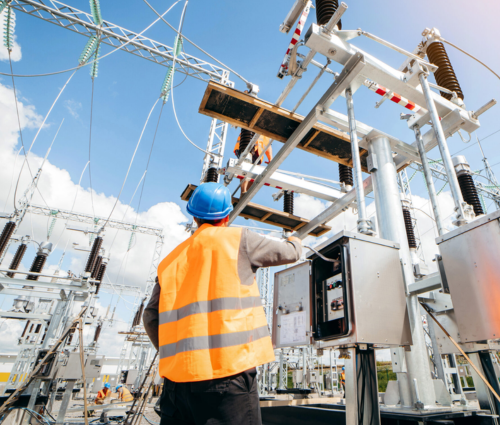
Electric SUVs and sedans store more than three hundred volts beneath their floors, so dent repair near rockers or quarter panels starts with strict lockout steps. Certified techs disconnect service plugs, test for zero voltage, and post a bright tag on the windshield showing the battery is safe. Insulated gloves and ground fault outlets guard against stray current while glue pull towers operate at controlled amperage.
After reshaping metal, the technician reverses the checklist, torques shields to maker spec, clears fault codes, and prints a scan report confirming battery health and temperature history. This document travels with the invoice, satisfying insurers, fleet auditors, and future buyers that electrical integrity remained intact. Proper procedure prevents spark risk and keeps factory warranties fully valid.
Key Takeaways for Smart Owners
Certifications from Vale, ARC, and IMI give fast proof that a technician can manipulate high strength steel, aluminum, and hybrid panels without harming paint or sensors. Before booking, ask to see the wallet card, verify it online, and confirm the certified person will do the work. Glance at the bay for organised rods, code clear lights, and safety signage. These simple steps guard against expensive do overs and warranty disputes.
Remember, skill matures through fresh education. Select shops that publish training calendars, audit tools each spring, and document every electric vehicle lockout procedure. Paying slightly more for a certified hand today protects resale value, accelerates insurance approvals, and delivers repairs that stay invisible through heat, cold, road salts, and countless future car washes. Quality verified once rewards you mile after mile of driving

VIP Hail Service | Plano, TX
Professional Hail Repair
Stay Up-to-date With Our Content
Subscribe to learn more about our mission!