
How Drones Map Hail Damage Fast


Drone Tech
Why Aerial Views Transform Damage Audits
When a Texas hailstorm sweeps across open lots, hundreds of vehicles can be pocked with dents in minutes. Walking every row, snapping phone pictures, and jotting estimates might take an adjuster an entire day and that’s before paperwork. Drone hail inspection changes the math.
A single quad-copter fitted with a 20-megapixel sensor can scan an acre in under ten minutes, gathering crisp overhead images that reveal every dent shimmer. The speed and field-wide coverage give repair teams priceless visibility before the first wrench is lifted. That early clarity keeps claims moving and reduces costly surprises.
From Photos to Orthomosaic Maps
The real magic begins once those individual shots hit the processing desk. Photogrammetry engines align each frame, cancel lens distortion, and stitch them into a seamless orthomosaic—essentially a high-resolution map you can zoom without blur. Every pixel carries scale data, so a dent spanning five pixels is automatically measured in millimeters.That precision eliminates guess-work when fleets demand bulk estimates. Orthomosaics unlock bulk analytics. Software sweeps the map, counts every highlighted depression, and groups dents by diameter bands that align with PDR pricing matrices. Instead of sampling five cars and extrapolating, managers get a data table for the entire lot in minutes, cutting disputes over repair scope before they start.
Because the orthomosaic is fully georeferenced, you can overlay dent layers on CAD parking-lot diagrams, highlight high-strike zones, and assign repair crews by aisle. That visibility also lets insurers compare before-and-after maps to verify completion, an audit trail far stronger than stacks of individual photos. The map even archives metadata such as flight altitude and lens settings, reinforcing its credibility.
FAA Part 107 Essentials for Operators

Every drone pilot who flies commercially must pass the FAA Remote Pilot exam and operate under Part 107 rules. Those rules cap altitude at 400 feet AGL, require daylight or civil-twilight operations with anti-collision lighting, and mandate constant visual line of sight. More important for hail sites, they forbid flights directly over moving vehicles without a waiver
Because dealership inventories are parked, not moving, compliant flights are straightforward: establish a safety buffer, mark the perimeter, and brief staff before liftoff. Pilots must also check local airspace on LAANC, log the mission, and inspect batteries. Adhering to these protocols keeps evidence admissible should an insurer question collection methods. Finally, always carry a copy of your certificate and registration for on-site authorities.
After the flight, high-volume image sets head into cloud pipelines like Pix4D or DroneDeploy. These platforms align photographs using ground control points or onboard RTK tags, then output orthomosaics and 3-D models ready for dent analysis. Operators can run the full workflow from a tablet on-site, delivering a color-coded damage map before the adjuster even leaves. Batch processing templates ensure consistency across multiple storms, letting regional managers compare damage intensity season over season.
For fleets, that speed translates directly to uptime. Instead of waiting days for handwritten estimates, managers receive a spreadsheet with dent counts by panel and a recommended paintless dent repair technology timeline. The file feeds straight into scheduling software, reserving repair bays and ordering replacement glass or trim overnight. With logistics pre-planned, technicians can roll cars through in assembly-line fashion the next morning. Productivity gains add up.
Speed Gains Over Hand Checks
Traditional hand inspections average three to five minutes per car when performed by an experienced adjuster. Multiply that by a dealership’s 600-car inventory and you reach eight labor hours before reports are even compiled. Drone flights, by contrast, handle the same surface area in under thirty minutes, freeing staff to start ordering parts immediately. Today.
CHI Software benchmarks found that automated dent-counting algorithms cut assessment time by 80 percent compared with manual methods, while reaching 95 percent detection accuracy.Faster data means faster claim filing, which directly shortens the window a fleet sits idle waiting for approvals—often the costliest phase of a storm recovery.
The time objective extends to repairs. With annotated orthomosaics, paintless dent repair teams can line up tools, lighting, and glue tabs for the exact dent counts on each roof, hood, and quarter panel. When cars drive in, technicians follow the map rather than hunting for damage, trimming cycle times by up to 30 percent in busy hail seasons.
Quantifying Dent Damage at Fleet Scale
Orthomosaic software tags every dent with coordinates and diameter values, then exports them to CSV for quick math. Managers instantly see true dent density per square meter, a metric impossible to gather by hand. Those numbers guide whether a panel is economical for paintless dent repair or should be replaced outright.
For fleet contracts, that clarity simplifies bulk negotiations.If the map shows 12,400 minor strikes and only 80 oversized impacts, vendors can quote a blended PDR rate rather than individual panel charges.
VIP Hail Service technicians then prioritize vehicles with the highest dent totals, ensuring the worst inventory returns to market first and freeing storage space.

Most important, every measurement stays archived in the cloud, linked to date and GPS stamp. That means if a second storm rolls through before repairs finish, adjusters can separate pre-existing dents from new ones in seconds, avoiding double charges. Accurate baselines protect both the owner’s pocketbook and the shop’s reputation. The digital ledger also supports warranty claims, letting technicians cross-reference any future dents against the original scan to confirm workmanship.
Streamlined Scheduling With Drone Data
Drone-generated spreadsheets don’t just live in folders they drive workflows. Once counts per panel are set, the operations manager uploads the file into scheduling software that assigns each vehicle a repair bay and time slot. Because dent severity and labor hours are pre-calculated, the calendar balances workloads automatically, preventing bottlenecks at glue-pulling or finishing stations. Notifications fire to technicians’ tablets every morning with the day’s run order, parts list, and expected cycle times, ensuring nobody wanders the lot hunting for their next job.
Fleet managers also benefit. They can log into the same dashboard to view live progress bars for each vehicle group body, paintless dent repair technology stage, quality control, and wash. If a unit must be back on the road early, a simple drag-and-drop reschedules tasks, and technicians receive updated instructions in real time. The visibility eliminates phone-tag and keeps customer service informed.
From the repair shop’s perspective, tighter scheduling means steadier revenue. Instead of unpredictable peaks after each storm, work is smoothed into manageable daily targets, allowing consistent staffing rather than costly overtime. Equipment utilization also rises; high-demand tools like aluminum brace rods stay booked instead of collecting dust between chaotic inspection days. Over a full season, that efficiency can boost gross margins by double digits.
Insurer Acceptance of Drone Proof Growing
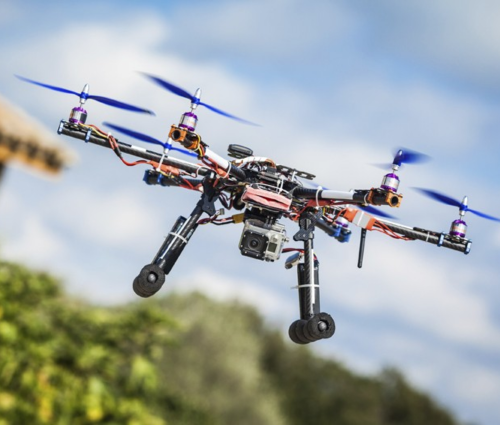
Five years ago, many adjusters dismissed drone imagery as marketing fluff. Today, major carriers accept ortho-mapped dent counts as official documentation because the process is repeatable and auditable. The FAA study guide’s emphasis on safety, combined with tamper-proof metadata, has eased concerns about image manipulation. Some carriers even provide premium discounts for commercial fleets that supply drone baselines before storm season, reasoning that claims can be settled faster and more accurately.
VIP Hail Service forwards the orthomosaic link and CSV directly to the adjuster within hours of the storm, cutting the typical back-and-forth photo requests. Because every dent and dimension is traceable, desk reviewers can approve reserve amounts without escalation, keeping policyholders happy and lowering claim-handling costs for the insurer.
Getting Started Safely and Legally
If you’re considering adding auto hail damage drones to your toolkit, start with certification. Book the Part 107 test, practice on free FAA sample exams, and take a reputable ground school. Next, invest in a drone with a global-shutter camera to avoid rolling-shutter distortion that can hide tiny dents. Build muscle memory by scanning your own car first. Log every flight in a digital logbook so you can show experience to clients and regulators alike.
Before the first commercial mission, draft a standard operating procedure covering weather minimums, emergency protocols, and data retention periods. Carry spare batteries, props, and a landing pad to keep the camera clean on gravel lots. Finally, line up a mentor or hire VIP Hail Service’s drone team for training to shorten your learning curve while staying compliant

VIP Hail Service | Plano, TX
Professional Hail Repair
Stay Up-to-date With Our Content
Subscribe to learn more about our mission!