
Document Hail Damage for Faster Insurance Claims


Claim Steps
Capture Hail Damage Correctly the First Time
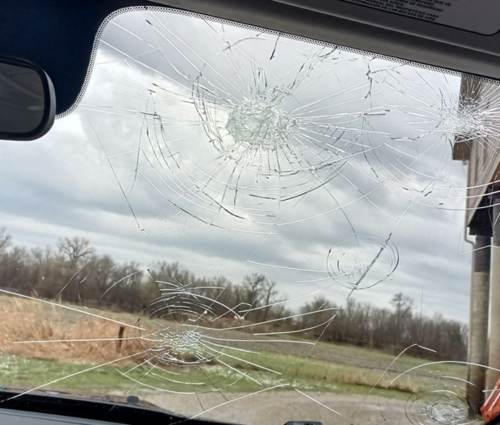
Begin by washing the vehicle to remove dirt that can mask small dents. Move the car into soft daylight or under a shaded carport; harsh sun hides subtle creases. Take four corner shots that show the entire body for scale, then zoom on each panel at a forty-five-degree angle to reveal depth.
Next, switch your phone to high-resolution mode and enable the timestamp. Photograph the roof last, using a step stool for a perpendicular view that insurers prefer. Save every image in a dedicated folder named with the claim number. These clear, dated pictures form the backbone of your proof and prevent appraisal disputes later.
Building a Complete Photo Record for Hail Claims
Start by capturing a walk-around video of the vehicle, it includes clear shots of the VIN, odometer, and license plate. This continuous footage helps establish the car’s identity and condition. Pause at noticeable dents so the adjuster can screenshot their exact locations for easy reference. Once the video is complete, move on to panel-specific photos, taking shots of the hood, roof, left side, right side, and trunk. Position a small LED light perpendicular to each surface; this will highlight dents, even on light-colored vehicles, by showing the reflection of each dimple.
Include scale references in each shot. Place a quarter next to representative dents and take a close-up photo to provide a sense of size. If hail shattered glass, photograph the cracks from the starting point to the end, with a ruler included for measurement. Lastly, photograph the interior headliner to detect any water intrusion that may indicate hidden roof damage.
Label each file systematically, such as “roof-overall,” “roof-coin,” and “left-door-overall.” This organized naming helps adjusters quickly locate the necessary evidence, speeding up the approval process and preventing overlooked details.
Include Weather Evidence and Timing
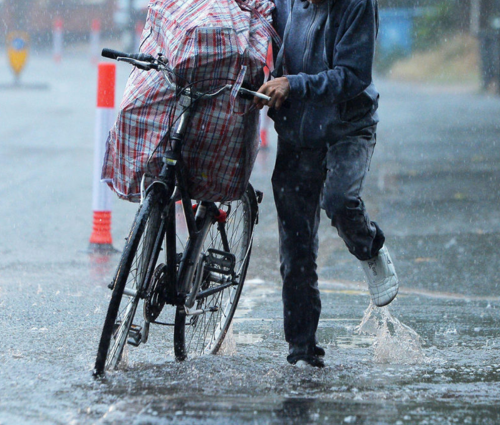
Next, take a clear photo of your phone’s lock screen with the date and time visible while the vehicle remains in the frame. This single image helps validate that the photos were taken immediately after the storm and not days or weeks later. These simple, proactive steps fulfill most carriers’ timing requirements and significantly reduce the likelihood of requests for additional affidavits, streamlining the entire claims process for faster approval.
Document any temporary protection measures you used to prevent further damage. If you covered broken glass with tarps or taped plastic across a sunroof, photograph these steps clearly, showing the coverage in place. Once the coverings are removed, take additional photos to show the exposed damage. Insurers appreciate these proactive steps as they demonstrate that you took measures to prevent additional harm, which helps categorize the damage as sudden impact rather than neglect.
Along with the photos, provide a brief written note explaining when the protection was installed and how long it remained in place. This documentation shows that you acted responsibly. Finally, before submitting your claim, back up all images to cloud storage. File compression during uploads can reduce photo quality, so keeping the original high-resolution versions in a secure location guarantees you have access to them if any disputes arise or further evidence is needed.
Track Interior and Hidden Damage After Hailstorm Impact
Inspect the interior panels for secondary damage that may appear after a hailstorm. Water stains around the dome lights often indicate breaches in the roof seal, which can let water into the cabin. Use a flashlight to highlight these stains and photograph them to improve the contrast, making them more visible for the adjuster.
If possible, remove trunk liners and photograph the spare-tire wells, looking for pooled water or bent sheet metal. Record the location and depth of any visible damage in a notepad to assure consistency.Next, check the door edges and pillar trim, as modern vehicles often conceal airbag sensors in these areas. Hail damage to these sections can shift sensor brackets, potentially triggering warning lights weeks after the storm.
Take close-up photographs of sensor housings with a ruler for scale, and document any paint cracks that could signal sensor misalignment. Conclude your inspection by opening the hood to check for radiator fin damage or bent condenser rows, which adjusters may overlook. Capturing these additional details will help prove the full extent of storm damage.
Use Measurement Tools to Provide Proof of Damage
A paint gauge is a simple yet powerful tool to strengthen your evidence. Take readings on both undamaged areas and dented spots, then photograph the display. Equal thickness between the two confirms the paint is original, preventing insurers from claiming the dents existed before your ownership.
Next, use a flexible contour ruler to measure the deepest dent. Press the ruler gently into the dent and photograph its profile alongside a centimeter scale. This physical measurement clarifies dent depth better than written estimates.
For dent clusters, place a magnetic hail circle decal around each group to count dents quickly. Adjusters rely on these circles to assess repair costs, making sure that your documented counts lead to fair labor allowances for the damage repair.

By combining all measurement photos, you create an objective narrative that clearly demonstrates the extent of the damage. These detailed images, including paint gauge readings, depth measurements, and dent counts, eliminate any guesswork for the adjuster. The clarity and precision of your documentation leave little room for dispute, guaranteeing that the damage is understood and assessed accurately. This organized approach speeds up the approval process and supports a more efficient and fair claims resolution.
Organize Your Files for Quick and Efficient Claims
Start by creating a single folder named with the claim number, vehicle model, and year for easy reference. Within this folder, create subfolders to categorize your files into photos, video, weather reports, and measurements. This organization allows adjusters to navigate through the evidence quickly without having to scroll through a disorganized folder. Each subfolder should be clearly labeled to avoid confusion and speed up the review process.
Convert the video walk-around into an MP4 format and compress it to under 15 megabytes to make sure it can be uploaded without errors. Rename every photo with clear, descriptive tags, such as “hood-coin-detail” or “roof-dent-closeup.” Include a simple text document listing the file descriptions and counts for added clarity. This helps adjusters quickly locate specific evidence and often prioritizes well-organized submissions over disorganized ones.
Once everything is organized, zip the master folder before uploading to preserve its structure. Keep a backup on cloud storage and an external drive for added security. In case of a portal glitch or upload error, you can easily re-upload the files without the need to retake photos. Owners who follow this methodical approach often see insurance approval within 48 hours, reducing the likelihood of supplementary photo requests and speeding up the claims process.
Submit Your Documentation Promptly to Avoid Delays

Log in to the insurer portal within twenty-four hours of the storm to avoid delays in the claims process. Complete every required field in one go to prevent file lockouts, which often occur when partial drafts remain idle. This maintains that your submission is processed without unnecessary holdups. Once all fields are filled, upload the zipped evidence folder and verify that the thumbnails appear for each file.
Blank icons typically indicate that some files didn’t transfer properly, so it’s important to check everything before submitting. Add concise notes summarizing key points such as the total dent count, any broken glass, and the immediate protection measures you took to prevent further damage.
Schedule Your Free Damage Review Today
Submitting flawless evidence can speed up the insurance claim approval process, but professional confirmation adds significant credibility.. Schedule a free on-site inspection with our certified team within the first forty-eight hours after the hailstorm. During this visit, we’ll validate your photos, take calibrated paint gauge readings, and provide a detailed repair estimate that meets the approval of all major insurance carriers. The entire process takes only thirty minutes and is completely free of charge.
Additionally, during the appointment, we’ll walk you through the insurer portal step by step, assuring that your file names, formats, and weather screenshots align with the specific requirements set by your insurance provider. This hands-on assistance prevents the risk of claim rejections that could extend rental periods and delay repairs. Call or click now to schedule your free hail damage review and secure your claim moves quickly to the front of the queue.

VIP Hail Service | Plano, TX
Professional Hail Repair
Stay Up-to-date With Our Content
Subscribe to learn more about our mission!