
How Long Does Average Auto Hail Repair Actually Take


Repair Time
Key Timing Factors Affecting Hail Repair
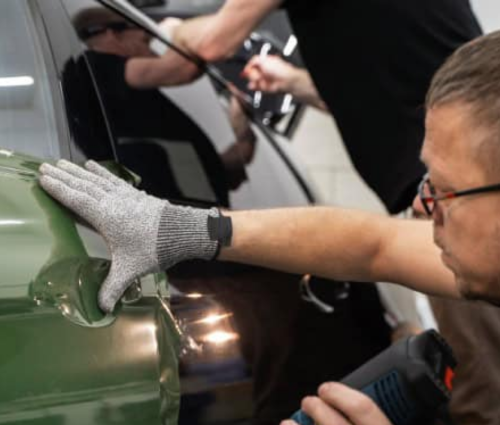
An auto hail timeline begins with inspection, estimate, and insurance photos. Dent count, metal thickness, and depth decide tool choice and hours needed. Aluminum roofs require slower micro pushes than steel, adding an extra day. Wider dents demand more blending passes, extending bench time even on otherwise light jobs.
Shop load follows next. Peak hail season fills every bay, so repair slots, not tool speed, become the bottleneck.Submitting sharp panel photos, a VIN shot, and a detailed digital estimate within twelve hours of the storm pushes the file to the front of the adjuster queue. A lightly peppered car might still sit a day awaiting space, even though actual dent removal and polish can be finished in just a few focused hours.
Average Shop Schedule for Typical Hail Repair Jobs
An efficient shop starts with inspection and photos the day you arrive. Once the insurance green-light email lands, light hail repairs meaning fewer than 100 shallow dents and no glass damage wrap up in one to two days. That schedule covers tool setup,panel blending, polish, and final quality checks without removing interior trim.
Moderate storms peppering every panel stretch the calendar to roughly three days. Multiple technicians share the vehicle, cycling through roof, hood, and doors in sequence while glue cures between pulls. If aluminum panels are involved, slower micro-push cycles add several work hours. Paint gauges and reflection-board inspections close each evening, preventing surprises at delivery and keeping insurers updated.
Severe hail featuring deep stretch dents, cracked moldings, or broken glass extends the stay to four or five days. Extra time goes to brace straightening, sensor recalibration, and waiting on trim pieces that arrive by ground freight. Cars may appear untouched for half a day; that quiet period usually means adhesive cooling,steps that shield the factory finish from heat shock and tool marks.
Securing Rapid Insurance Claim Approval for Hail Repairs

Insurance response speed often dictates the entire repair calendar.Submitting sharp panel photos, a VIN shot, and a detailed digital estimate within twelve hours of the storm pushes the file to the front of the adjuster queue. When documentation is complete and organized, most carriers issue approval in twenty-four to forty-eight hours, trimming days off shop waitlists, rental bills, and owner anxiety.
Shops accelerate the next phase by uploading invoices, supplemental images, and any parts lists through the carrier’s online portal instead of mailing paperwork. Electronic payment typically posts the same business day an estimate is cleared, removing financial questions that could park your car in storage. With funds secured, technicians order needed trim pieces immediately and launch dent removal.
Adjuster availability often becomes the biggest time bottleneck once your claim is filed. After a widespread storm, hundreds of vehicles can flood the queue in a single county, pushing some field inspectors five to seven days behind schedule. During that backlog, the car waits idle and bay space sits reserved yet unused, slowing overall shop throughput. Leading repair centers circumvent this lag with high-resolution virtual walk-around calls.
A technician positions a calibrated light board across each panel, then streams real-time video while the adjuster screenshots dent clusters, VIN, and odometer data. Because the session delivers evidence comparable to an on-site visit, most major insurers now accept the footage as official documentation, provided the shop uploads full-quality stills afterward. When carriers embrace virtual review, approval can shift from a potential seven-day delay to a same-day decision, freeing technicians to begin glue pulls and tool pushes immediately and returning the vehicle several days sooner.
Complex Vehicle Damage Extends Repair Times
Luxury vehicles packed with driver assist hardware extend repair timelines. Roof rails often conceal radar harnesses, so technicians must lower the headliner, label wiring, and detach airbags before dents are addressed, adding two labor hours at the start. Once the metal work concludes, those same sensors require static and dynamic calibration inside a level bay with target boards that may already be booked, adding another full day.
Large stretched dents also slow progress. Aluminum hoods, common on premium cars, need heat, cold, and blended hammer passes to avoid fracture. Each cycle ends with a cool down and metal memory checks. Three deep aluminum craters can consume the same clock hours as twenty shallow steel roof pits, tying up tools and technicians for an entire shift.
Paint damage widens the schedule through cross department handoffs. If even one panel needs repainting, drying and curing add 48 hours before final polish. Coordination gaps between PDR technicians and body shop painters, even within one facility, may leave the car idle if their calendars do not align, extending overall delivery by several days.
Parts Delays Versus Technician Availability
Replacement moldings, clips, and weather strips look minor yet pose serious timeline threats. A cracked windshield molding can add three full days if the part must come by ground freight.
Technician availability complicates matters further during hail season; shops recruit extra contractors, but mixed experience levels lengthen quality checks. A newer tech may need a senior review after each panel, doubling labor minutes and delaying the next vehicle’s bay time.
Owners can limit both setbacks by approving reuse of undamaged clips where factory guidelines allow and by choosing facilities that keep dedicated parts runners on call to locate components locally and deliver them the same day repairs begin without increasing overall cost or compromising warranty.

Even when every other stage is scheduled to the minute, one back-ordered trim piece can keep a finished car trapped in storage, clogging the shop and extending rental costs. Before you hand over the keys, ask the service adviser to verify live inventory for moldings, clips, or sensor brackets and to place priority holds on anything scarce. That quick confirmation nearly eliminates last-minute parts surprises and keeps your delivery date on its original target schedule.
Speeding Up Your Auto Hail Repair Timeline Quickly
Schedule the post-storm inspection within twenty-four hours. Early estimates capture adjuster attention before queues swell, trimming idle days. Photograph every panel in daylight, include the VIN tag, and label high-density dent zones with chalk for clarity. Upload this file set alongside the digital estimate so the insurer sees complete evidence in one pass.
Select a facility that performs both glue pulling and traditional push-tool work on site. Eliminating inter-shop transfers spares at least half a day of transport and re-paperwork. Verify the technicians stock several glue formulations suited for summer heat and winter chill, keeping pull cycles steady regardless of weather swings. Confirm they own in-house radar and camera calibration equipment instead of outsourcing; target-board appointments at a separate dealership can slip your schedule by another day during peak season.
Stay reachable once repairs begin. Technicians often need fast approval to reuse intact clips or swap a trim piece when back orders threaten. Adjusters may also call for clarification on dent counts. A five-minute phone response can prevent the car from rolling out of its bay to make room for the next job. Owners who follow these proactive steps typically save a full day on the overall timeline, taking delivery sooner without conceding finish quality or warranty coverage.
What Happens After Delivery Inspection

Final inspection starts under cross-polarized LED panels that expose the slightest distortion in clear coat. Inspectors glide a 0.5-millimeter feeler gauge through all panel gaps, comparing them to factory blueprints and baseline photos taken at drop-off. If they detect any micro high spot or faint halo, a nylon punch immediately taps it flush so reflections flow perfectly across every contour. Only after the surface mirrors OEM texture does the technician sign off.
The service adviser then reviews the invoice, verifying labor hours, and warranty terms. You receive high-resolution before-and-after images for your maintenance file, plus simple care instructions: skip automatic and high-pressure washes for seventy-two hours, avoid direct midday sun during the first afternoon, and wait two weeks before applying any wax.
Typical Rental Car Needs Explained
Light hail repairs rarely exceed two full days, meaning rental costs usually remain inside the insurer’s three-day allowance. This buffer covers inspection, dent removal, and final polish without touching your wallet. However, timelines lengthen if the windshield needs replacement, ADAS sensors need calibration, or back-ordered moldings keep the car in storage. When delays arise, the shop continuously uploads progress photos and revised completion dates to the claim portal. Most carriers approve extra rental days within hours once they see documented evidence, eliminating surprise bills.
Once your vehicle passes final inspection, return the rental the same day. Coordinating pickup and drop-off at the repair facility streamlines handover, caps mileage, and avoids shuttle hassles. Keep the fuel level at the contract mark and photograph the odometer to close the account without dispute. Ready to start? Schedule your free hail assessment with our team today.

VIP Hail Service | Plano, TX
Professional Hail Repair
Stay Up-to-date With Our Content
Subscribe to learn more about our mission!