
How Lighting Improves Paintless Dent Repair Accuracy


Inspection Tools
Lighting helps reveal hidden hail damage
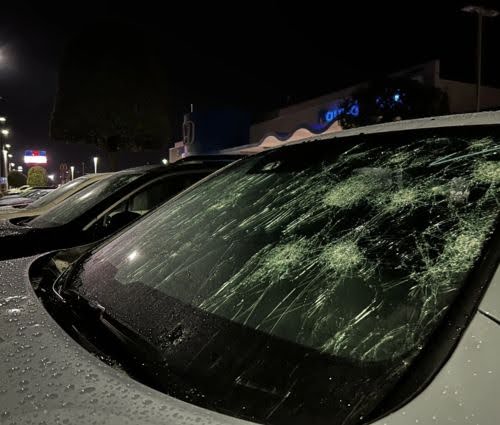
Paintless Dent Repair requires more than just tools—it depends on the ability to see fine imperfections across a vehicle’s surface. Hail dents can be small, shallow, and almost invisible under standard lighting. Without the right visual support, even trained technicians may miss damage that affects the panel’s smoothness.
This is where PDR lighting tools become valuable. Reflection boards, LED light panels, and strip lights allow technicians to see distortions that the naked eye can’t detect in natural or shop lighting. These tools create sharp contrasts and reflections that highlight surface variations in the metal, making even the smallest dents stand out for accurate assessment.
How reflection boards guide repair work
Once dents are located using specialized lighting tools, technicians continue to rely on those same tools throughout the repair. Reflection boards and LED lighting systems are positioned to cast uniform lines or patterns across the panel’s surface. Any bend, ripple, or interruption in those lines immediately reveals an area that still needs correction.
This visual guidance allows technicians to apply precise, controlled pressure using PDR tools from behind the panel. As the dent is worked out, the technician watches the reflection lines shift in real time, confirming the progress. This feedback is essential for shaping the metal accurately without overcorrecting or creating new distortions. Without this guidance, it becomes difficult to judge the panel’s surface visually, increasing the risk of errors.
Lighting also plays a role in the final quality check. Once the dent has been removed, the same lighting is used to inspect the panel and confirm that it is completely smooth. The consistent use of lighting from start to finish is what allows PDR to deliver seamless repairs with a clean, factory-level appearance.
Lighting Tools Play Key Role in Technician Training
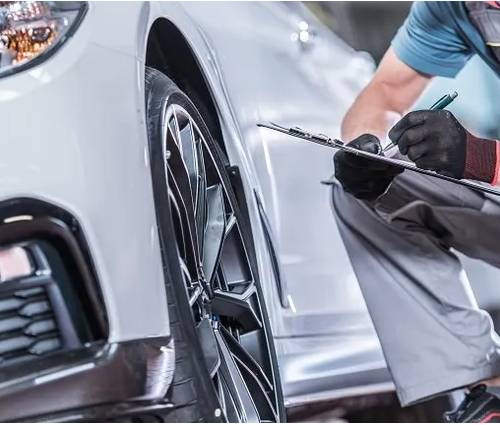
Training for paintless dent repair (PDR) involves more than learning to use tools; it also focuses heavily on visual skills. One of the most important parts of technician training is hands-on instruction using specialized lighting systems. Trainees practice reading and interpreting light reflections to identify dents that would otherwise go unnoticed in normal lighting.
They also learn how to position reflection boards and LED lights at different angles to highlight imperfections in the metal. This helps them develop the ability to track dent movement and surface changes in real time during repairs.
Recognizing how metal responds under pressure by watching the way light shifts across the panel is a key part of becoming a skilled PDR technician. These visual habits are practiced until they become second nature.
Accurate reflection reading is one of the most important skills in achieving high-quality results with paintless dent repair. Lighting tools are not just used for detection, they guide the entire repair process. Technicians depend on these reflections to fine-tune their hand pressure, making small adjustments as they push or pull the dented metal from behind the panel. Being able to see how the metal reacts in real time allows them to avoid over-correcting or creating new distortions.
It also confirms whether the surface is returning to its original, factory-smooth finish. These habits are not learned overnight. PDR training programs place strong emphasis on reinforcing the connection between visual feedback and tool movement. Technicians are taught to trust what the reflection lines show and adjust accordingly. This disciplined approach results in more consistent, clean repairs across a variety of vehicle models and damage types, even in challenging or complex dent removal scenarios.
Small Dents Demand Precision and Visual Accuracy in PDR
Some hail dents are extremely shallow and almost invisible to the naked eye, especially under standard lighting. On light-colored vehicles or highly reflective surfaces, these dents can easily go unnoticed unless the car is inspected under the right conditions. That’s why trained paintless dent repair (PDR) specialists use advanced lighting tools, such as fluorescent tubes, LED strip lights, and domed lighting systems, to examine each panel in a controlled environment.
These lighting tools cast reflections across the vehicle’s surface, revealing even the slightest imperfections. What may look like a clean panel under basic lighting can show multiple dents when viewed under proper illumination. This step is vital for building an accurate repair plan and creating reliable estimates.
By catching all the damage early, lighting tools help technicians and insurance adjusters assess the true extent of the hail impact.It affects not only pricing and timing but also confirms that all damage is addressed. This kind of precision leads to cleaner repairs, satisfied customers, and better long-term outcomes for vehicle owners.
Consistent lighting supports clean repair results
Visual consistency plays a major role in the success of paintless dent repair. Throughout the entire process, from the initial inspection to the final polish, lighting tools serve as a constant reference point.
They help technicians track even the smallest changes in the panel’s surface and guide them toward a smooth, accurate finish. While working on a dent, the technician uses lighting reflections to monitor progress in real time.
Any remaining distortions or imperfections become immediately visible, allowing precise corrections without unnecessary tool pressure. This level of feedback eliminates guesswork and reduces the risk of overworking the metal. The result is a cleaner, faster repair process with minimal surface disruption and a factory-like finish.
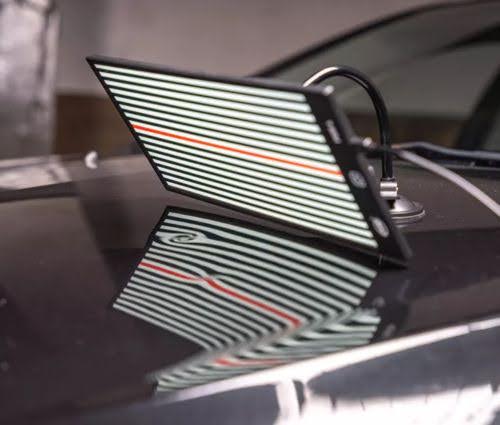
When high-quality lighting is used during repair, the technician can focus fully on reshaping the dent with precision. The clear visual feedback allows for careful adjustments, guiding the repair process without relying on guesswork. This accuracy leads to smoother results that align with high repair standards. It also helps confirm that no visible signs of damage remain once the work is complete. The goal is always a clean, seamless finish that preserves the vehicle’s original appearance.
How PDR Lighting Tools Improve Customer Repair Satisfaction
Lighting tools play a key role in more than just the technical side of paintless dent repair; they directly affect the customer experience. When a vehicle owner picks up their car, they expect it to look untouched by damage. That kind of result depends on more than just tools and technique; it also depends on seeing every dent clearly, no matter how small. Proper lighting allows technicians to identify and repair damage that would otherwise be missed under standard shop lights.
Reflection boards, LED light bars, and strip lights are used not only during inspection but throughout the repair process. This level of attention makes that no dents are overlooked and that the surface is returned to its original shape with precision. Customers notice that level of care, and it builds confidence in the repair shop’s work.
Lighting tools also improve accuracy in estimates and insurance reporting. When the full scope of damage is visible, technicians can provide better documentation for claims. This leads to faster approvals, fewer disputes, and smoother service overall. For customers, this means less waiting, fewer headaches, and a final repair they can feel good about. In short, quality lighting isn’t just for technicians, it’s a valuable part of delivering a complete and satisfying repair experience.
Common Tools Used for Detecting Paintless Dent Damage
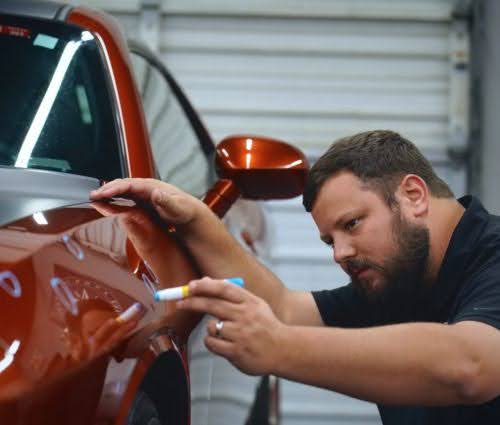
Paintless dent repair relies on a variety of specialized lighting tools to detect surface damage with precision. One of the most commonly used tools is the reflection board, which features black and white or colored lines. These boards are placed behind or beside the damaged panel, and any distortion in the lines highlights areas that are dented or uneven. Technicians also use LED light bars and portable strip lights.
These lights provide a bright, consistent glow that can be positioned around the vehicle to reveal dents from different angles. Their mobility allows for thorough inspection across all surfaces. Shops may also use domed lights or multi-angle lamps to flood the entire panel with controlled lighting. These tools give technicians maximum visibility to locate even the most subtle imperfections.
Lighting tools help guarantee repair quality
Lighting systems play a major role in securing high-quality results during paintless dent repair. From the first inspection to the final check, consistent lighting helps technicians see every detail clearly and make accurate adjustments. Whether using reflection boards or LED light bars, these tools create controlled visual references that highlight imperfections in the metal, no matter how subtle. This level of visual accuracy reduces the risk of missed dents, over-corrections, or surface inconsistencies.
It also speeds up the process, as technicians can make decisions quickly with real-time feedback. Clean lines and smooth finishes are easier to confirm when lighting reveals every surface variation. In the end, lighting is one of the quiet but deciding factors that sets top-tier repairs apart. Paintless dent repair isn’t just about tools, it’s about precision. Lighting tools help technicians catch what others might overlook, supporting a result that meets both professional standards and customer expectations.

VIP Hail Service | Plano, TX
Professional Hail Repair
Stay Up-to-date With Our Content
Subscribe to learn more about our mission!