
How to Spot and Fix Poor Paintless Dent Repairs


Common Dent Repair Problems
Common Signs of Low-Quality Paintless Dent Repair
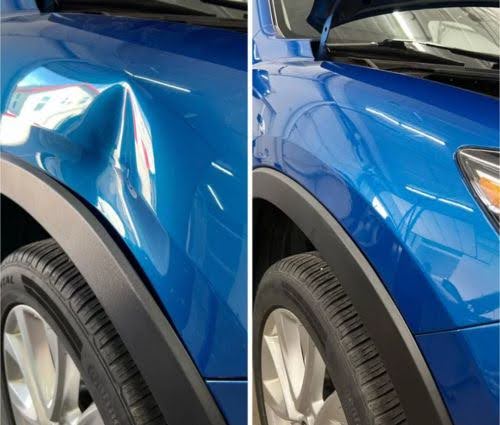
After hail damage, a vehicle should be restored to near-original condition. Unfortunately, not all paintless dent repairs are performed properly. Signs of poor dent repair often include ripples in the metal, uneven surfaces, or wavy reflections that don’t match the panel’s original contours. These imperfections are a giveaway that the dent wasn’t fully or correctly repaired.
Another common issue is visible tool marks or raised bumps caused by careless work behind the panel. Poor lighting or rushed service can also lead to misaligned panels or inconsistent finishes. These results not only affect the car’s look but also its resale value and may raise concerns during inspections.
What to do if PDR was done poorly
If you think your vehicle received a poor-quality paintless dent repair, the first step is to closely inspect it under proper lighting. View the surface from multiple angles—if you notice uneven reflections, waves, or shadowy impressions, it’s likely the dent wasn’t properly restored. These flaws can indicate that the metal wasn’t reshaped correctly or that tool marks were left behind.
Your next move should be to contact a professional PDR technician or a reputable repair shop with experience in rework services.. A skilled provider can evaluate the damage and tell you whether the panel can be repaired. In many cases, bad PDR work can be reversed using the right tools and expertise.
It’s also wise to document the damage. Take detailed photos and request a written assessment from the technician. If your initial repair was covered by insurance, you may be eligible for a re-inspection or further compensation. Acting quickly is essential, especially if the poor repair affects your vehicle’s safety, appearance, or resale value.
Why it’s worth correcting poor repairs
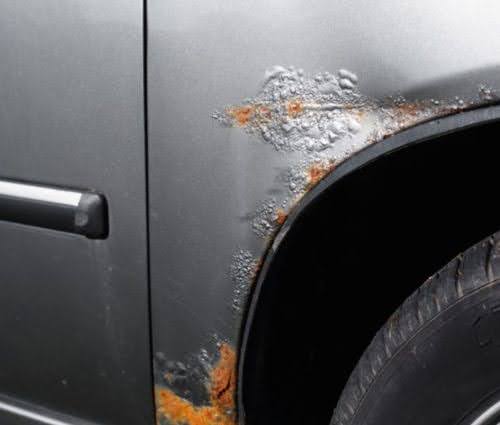
Correcting a poor dent repair might seem like an added hassle, but it’s a smart investment in your vehicle’s long-term value and appearance. Cars with visible dents, surface ripples, or tool marks often raise red flags for buyers and dealerships.These imperfections suggest past damage or rushed repairs, which can lower trade-in offers and resale value.
By contrast, a high-quality repair restores your vehicle to its original condition. It eliminates flaws, protects the factory paint, and prevents future issues like corrosion or weakening of the panel. Even if the original repair was done by another shop, a certified PDR technician can usually fix the damage using the proper tools and techniques. Addressing the problem early avoids additional costs later and makes your car looks and performs its best.
Poor paintless dent repair (PDR) can often be corrected, but timing is difficult. The sooner you address a bad repair, the better the chances of restoring your vehicle without added complications. Waiting too long can allow the metal to settle in an unnatural shape, making it harder for technicians to reshape it correctly. In some cases, delayed rework might require more invasive methods or even partial repainting, negating the benefits of PDR altogether.
Acting quickly also helps prevent further damage. If the initial repair caused stress to the panel or exposed any part of the metal, it could lead to cracked paint or rust over time. Additionally, unresolved flaws can impact your car’s resale value and attract unwanted attention from appraisers or buyers. Reach out to a certified PDR professional as soon as possible for an evaluation and possible rework.
VIP Hail Service, Dent Repair, Quality Assurance Standards
At VIP Hail Service, quality begins with precision and ends with customer confidence. Every vehicle we service is treated with the utmost care, starting with a detailed assessment of the damage and continuing through each phase of the repair. Our certified technicians are trained in advanced paintless dent repair (PDR) techniques and take the time to certain each dent is properly reshaped without affecting the factory paint. We never rush a repair or overlook small imperfections.
Each panel is carefully inspected before, during, and after the process to confirm a flawless finish, free from tool marks, ripples, or misaligned surfaces. We rely on specialized lighting systems to highlight even the smallest defects, allowing our team to make precise corrections that restore your vehicle’s original look.
Maintaining your car’s value and appearance is our top priority. By following strict quality control and using proven PDR methods, we help prevent future rework and guarantee long-lasting results. Whether you’re dealing with a single dent or extensive hail damage, we make sure your car leaves the shop looking as good as new.
The Hidden Risks of Ignoring Bad Dent Repair Work
A poorly performed paintless dent repair (PDR) can cause more than just cosmetic concerns. If left uncorrected, it may lead to long-term problems that affect both appearance and value. Incomplete repairs leave visible dents, misaligned panels, or surface ripples, which reduce your car’s appeal and lower trade-in or resale offers.
Bad PDR can also create stress points in the metal. These weak spots may worsen over time, especially with temperature changes, potentially leading to cracks or further damage. If the original paint is compromised during the process, the exposed metal can rust or corrode.
Insurance companies may flag previous poor repairs during future claims, affecting your eligibility or payout. Fixing the issue early avoids these costly complications.
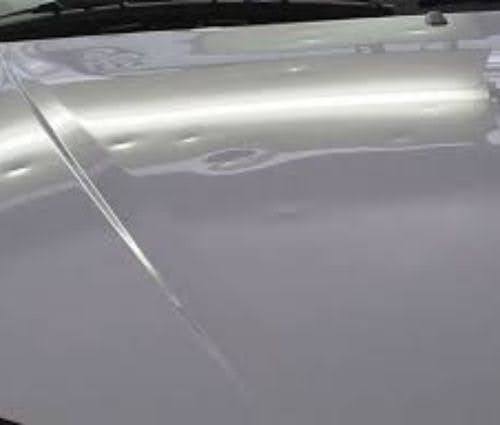
Don’t overlook the warning signs of a bad paintless dent repair. Small imperfections like tool marks, uneven panels, or surface ripples can lead to bigger issues down the road. These flaws not only hurt your vehicle’s appearance but can also reduce its resale value and compromise its structural integrity. A qualified PDR technician can evaluate the damage and perform proper rework, restoring your car to its original condition before the problems become more serious or expensive to fix.
How to choose the right repair shop
When choosing a repair shop for hail damage or PDR rework, it’s important to do your research. Begin by checking the credentials of the technicians. Look specifically for certifications in paintless dent repair, which indicate that the technician has been properly trained and follows established industry standards. Certified professionals are more likely to deliver consistent, high-quality results, especially in rework situations that require a higher level of skill and attention.
Experience also plays a major role. A shop that regularly handles dent rework will be more familiar with the complexities of reversing poor repairs without further damaging the vehicle. Ask for examples of previous rework jobs and before-and-after photos. Reputable shops are transparent about their work and happy to walk you through the process. Customer reviews can also provide valuable insight into the shop’s reputation and quality of service.
Pay attention to feedback related to communication, turnaround time, and satisfaction with results. In addition, look for a shop that understands the insurance process. Technicians experienced with claims can help you navigate paperwork, speak with adjusters, and even assist in getting re-inspections or approvals for corrective repairs. Choosing the right shop assures the job gets done right and protects your vehicle’s appearance and value in the long run.
Understanding the Process of Paintless Dent Repair Rework
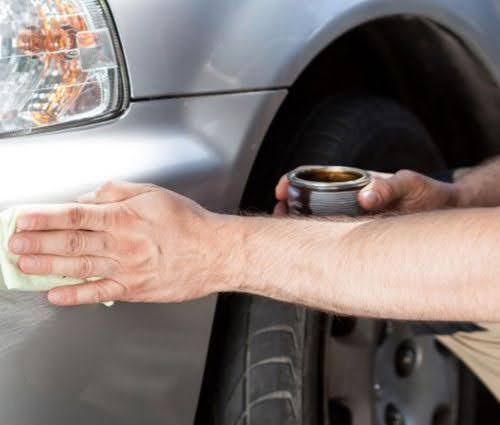
Paintless dent repair (PDR) rework is the process of fixing a poorly executed dent repair by using the correct tools, techniques, and precision. While not every bad repair can be reversed, many can be improved or fully corrected, especially if the metal hasn’t been overstretched and the paint remains intact.
The rework process begins with a detailed inspection using specialized reflection lighting and dent detection tools. This helps the technician identify all remaining flaws, including hidden ripples or misaligned contours. Once assessed, the technician accesses the panel from behind and carefully reshapes the metal to restore its original form.
Because rework often involves correcting previous mistakes, it demands more precision and patience than the initial repair.
Protect your vehicle from further damage
Fixing a poor dent repair as early as possible is essential to protecting your vehicle from long-term damage. While minor surface flaws may seem harmless at first, they can quickly escalate into more serious problems. Issues like paint cracking, bubbling, or rust formation can develop when the metal underneath hasn’t been properly restored. These concerns not only impact the look of your car but can also compromise the structural integrity of the panel.
Reworking a bad repair does more than just improve appearance; it helps restore the panel’s original strength and preserves the value of your vehicle. If you’ve noticed signs like uneven surfaces, tool marks, or misaligned panels, it’s time to act. Reach out to a qualified paintless dent repair (PDR) specialist for a full assessment. Taking corrective action early can prevent future complications and save you from spending more on repairs down the road.

VIP Hail Service | Plano, TX
Professional Hail Repair
Stay Up-to-date With Our Content
Subscribe to learn more about our mission!